

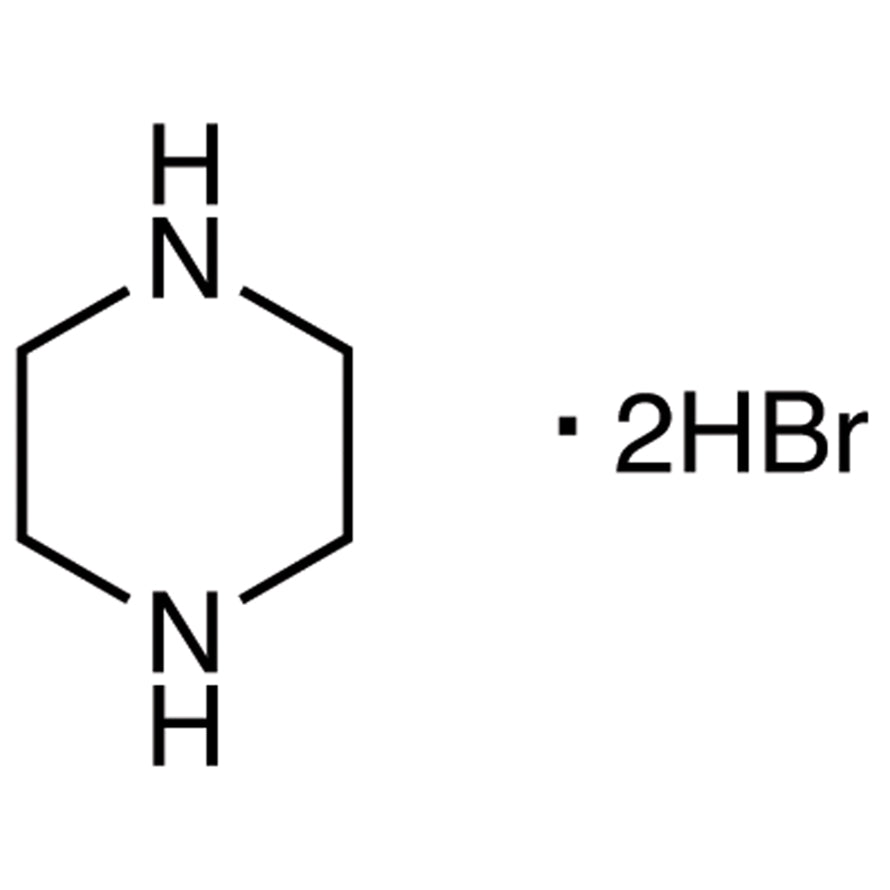
Piperazine Dihydrobromide (CAS 59813-05-7) is a chemical compound widely used in laboratory research, particularly in the field of materials science. This compound plays a crucial role in the development and synthesis of perovskite solar cell (PSC) materials, where it serves as an essential component in the formation of efficient material structures. Its application extends beyond PSCs, making it a versatile reagent in various chemical research areas. Due to its chemical stability and reactivity, it is a valuable tool for researchers aiming to enhance the performance of photovoltaic materials and other advanced materials.
One of the key attributes that make Piperazine Dihydrobromide a preferred choice is its chemical stability and high reactivity. These properties enable it to participate effectively in organic chemical reactions, such as substitution and the formation of complex compounds. Its solubility in organic solvents further enhances its utility in synthesis and material processing procedures. The compound’s molecular structure allows it to interact with a variety of substrates, making it adaptable to different experimental setups. Its reliability and consistent performance make it a trusted material in both academic and industrial research environments.
In Indonesian laboratories, Piperazine Dihydrobromide is commonly used in perovskite solar cell research. It is especially favored by research institutions and universities that focus on energy technology and advanced materials. Its role in material synthesis and modification supports the development of next-generation photovoltaic technologies. The compound’s availability and compatibility with laboratory conditions make it a practical choice for researchers working on sustainable energy solutions.
TCI brochures (PDF)
- Solar Cell Materials 2026-04-21 · p. 7
Related TCI products
- TCI E1221 624-59-9 Ethylenediamine Dihydrobromide
- TCI D5685 18773-04-1 1,4-Diaminobutane Dihydrobromide
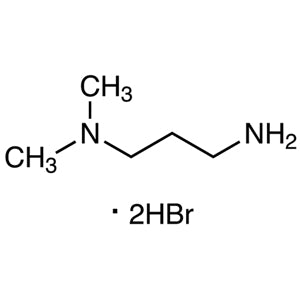
- TCI D5618 2710685-13-3 N,N-Dimethyl-1,3-propanediamine Dihydrobromide
- TCI D5615 1245570-04-0 N,N-Dimethylethylenediamine Dihydrobromide
- TCI D5250 54581-69-0 1,4-Diazabicyclo[2.2.2]octane Dihydrobromide
- TCI D5090 18773-03-0 1,3-Diaminopropane Dihydrobromide
- Perovskite Solar Cell (PSC) Material Synthesis: Piperazine Dihydrobromide is used to facilitate the formation of efficient perovskite structures, enhancing the performance of photovoltaic devices.
- Organic Chemistry Research: It serves as a key reagent in substitution reactions and the synthesis of complex organic compounds, supporting diverse chemical investigations.
- Material Modification Studies: Its reactivity allows it to be used in modifying material properties, aiding in the development of advanced functional materials.
- Energy Technology Development: It plays a role in the research and development of sustainable energy solutions, particularly in solar cell innovation.
- Chemical Substrate Interaction Studies: The compound’s molecular structure enables it to interact with various substrates, making it useful in studying chemical compatibility and reactivity.
| Brand | TCI |
|---|---|
| CAS number | 59813-05-7 |
| Molecular formula | — |
| Purity | — |
| Category | Materials Science > Electronic Materials > Perovskite Solar Cell (PSC) Materials |
| Pack sizes | Available in standard laboratory quantities |
| Physical form | Solid powder (as per standard product description) |
| Storage | Store in a cool, dry place away from moisture and direct sunlight |
Piperazine Dihydrobromide should be stored in a cool, dry environment to maintain its chemical stability. It is recommended to keep it in a tightly sealed container to prevent exposure to moisture and air. Due to its reactivity, it should be handled with care, using appropriate personal protective equipment such as gloves and safety goggles. It is important to store it away from incompatible substances to avoid any potential chemical reactions. In laboratory settings, it should be kept in a designated chemical storage area that is well-ventilated and accessible only to authorized personnel. Proper labeling and documentation are essential to ensure safe handling and usage.
—
Produk Terkait
-
EthylenediamineDihydrobromide TCI E1221
Regular price From Rp 1.961.400,00Regular price -
1,4-DiaminobutaneDihydrobromide TCI D5685
Regular price From Rp 928.200,00Regular price -
N,N-Dimethyl-1,3-propanediamineDihydrobromide TCI D5618
Regular price From Rp 743.400,00Regular price -
N,N-DimethylethylenediamineDihydrobromide TCI D5615
Regular price From Rp 505.050,00Regular price -
1,4-Diazabicyclo[2.2.2]octaneDihydrobromide TCI D5250
Regular price From Rp 955.500,00Regular price -
1,3-DiaminopropaneDihydrobromide TCI D5090
Regular price From Rp 1.510.950,00Regular price -
PiperazineDihydriodide TCI P2492
Regular price From Rp 955.500,00Regular price -
PiperazineDihydrochloride TCI P2491
Regular price From Rp 848.400,00Regular price



![1,4-Diazabicyclo[2.2.2]octane Dihydrobromide (CAS 54581-69-0) - TCI D5250 - AMI Scientific](http://amiscientific.com/cdn/shop/files/TCI2510D5250.jpg?v=1768818344&width=533)


