Diflunisal is a chemical compound widely used in scientific research, particularly in the fields of biochemistry and pharmacology. As an enzyme inhibitor, it plays a crucial role in modulating the activity of specific enzymes, making it an essential tool for studying biochemical reaction mechanisms. Its ability to interfere with enzyme function allows researchers to explore the dynamics of metabolic pathways and molecular interactions. This compound is commonly utilized in laboratory settings to investigate the effects of enzyme inhibition on biological processes.
Diflunisal is valued for its chemical stability and molecular structure, which enable specific interactions with target enzymes. It exhibits good solubility in organic solvents, facilitating its use in a variety of experimental conditions. The compound’s resistance to degradation ensures its reliability in long-term studies and repeated use. These properties make it a preferred choice for researchers seeking consistent and reproducible results in their experiments.
In Indonesian laboratories, Diflunisal is frequently used in pharmacological and biochemical research. It supports studies on drug mechanisms, enzyme activity, and molecular interactions. Its availability in various packaging options allows researchers to meet the diverse needs of their experiments. The compound’s versatility and reliability make it an important component in the toolkit of Indonesian scientific institutions.
TCI brochures (PDF)
- Lipid Mediator Research Reagents 2026-04-10 · p. 1
- Immune System, Inflammation, Allergy Research Reagents 2025-05-26 · p. 3
- Pharmaceutical Ingredients for Research and Experimental Use 2026-03-09 · p. 33
- Enzyme Activity Analysis: Diflunisal is used to study how enzyme activity is affected by inhibitors, helping researchers understand metabolic pathways and drug interactions.
- Metabolic Pathway Inhibition Studies: It is employed to block specific metabolic pathways, allowing for the investigation of enzyme function and biochemical processes.
- Molecular Interaction Research: Diflunisal facilitates the study of molecular interactions by selectively inhibiting target enzymes, aiding in the development of new therapeutic strategies.
- Pharmacological Research: It is used to explore the effects of enzyme inhibition on drug efficacy and cellular responses in pharmacological studies.
- Biochemical Reagent Testing: Diflunisal serves as a standard reagent for testing the specificity and effectiveness of enzyme inhibitors in biochemical experiments.
| Brand | TCI |
|---|---|
| CAS number | 22494-42-4 |
| Molecular formula | — |
| Purity | — |
| Category | Life Science > Biochemicals and Reagents > Enzymes, Enzyme Inhibitors, Enzyme Substrates |
| Pack sizes | Available in various packaging options to suit different experimental needs |
| Physical form | Solid (as per standard product description) |
| Storage | Store in a cool, dry place away from direct sunlight |
Diflunisal should be stored in a cool, dry environment to maintain its chemical stability and prevent degradation. It is recommended to use airtight containers to minimize exposure to moisture and air, which can affect its integrity. Laboratory personnel should handle the compound with care, using appropriate personal protective equipment such as gloves and safety goggles to ensure safety. Due to its chemical nature, it should be kept away from incompatible substances to avoid any potential reactions. Proper labeling of storage containers is essential for safe handling and easy identification. Regular monitoring of storage conditions ensures the compound remains suitable for use in research applications.
—
Product Categories
- Biochemicals and ReagentsEnzymes, Enzyme Inhibitors, Enzyme SubstratesEnzymes [by Application]
- Biochemicals and ReagentsEnzymes, Enzyme Inhibitors, Enzyme SubstratesEnzyme Inhibitors [Biochemicals and Reagents]
- Biochemicals and ReagentsPharmaceutical Research Reagents (for Experimental Use)Anti-inflammatory Ingredients (for Research and Experimental Use)
- Biochemicals and ReagentsPharmaceutical Research Reagents (for Experimental Use)Pharmaceutical Research Reagents (Others)
- Cell BiologyImmune System, Inflammation, Allergy ResearchCyclooxygenase (COX) Inhibitors
- Pharmaceutical Development and Drug Discovery ResearchPharmaceutical Research Reagents (for Experimental Use)Anti-inflammatory Ingredients (for Research and Experimental Use)
- Pharmaceutical Development and Drug Discovery ResearchPharmaceutical Research Reagents (for Experimental Use)Pharmaceutical Research Reagents (Others)
Produk Terkait
-
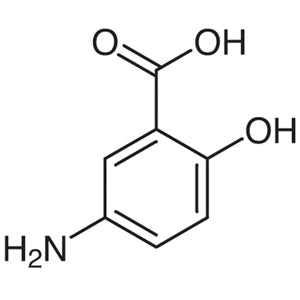
5-AminosalicylicAcid TCI A0317
Regular price From Rp 955.500,00Regular price -
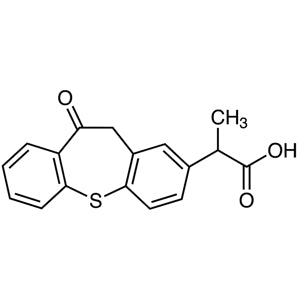
Zaltoprofen TCI Z0021
Regular price From Rp 1.326.150,00Regular price -
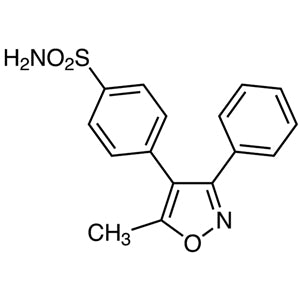
Valdecoxib TCI V0133
Regular price From Rp 2.862.300,00Regular price -
Suprofen TCI U0138
Regular price From Rp 4.506.600,00Regular price -
Tolmetin TCI T4087
Regular price From Rp 1.140.300,00Regular price -
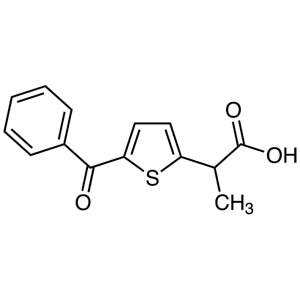
TiaprofenicAcid TCI T3175
Regular price From Rp 3.870.300,00Regular price -
Tenoxicam TCI T2750
Regular price From Rp 2.439.150,00Regular price -
Bufexamac TCI B4179
Regular price Rp 1.431.150,00Regular price