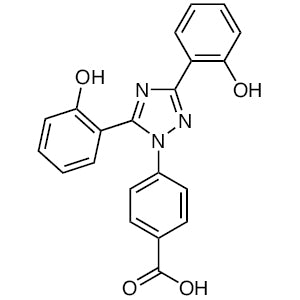
Deferasirox, with CAS number 201530-41-8, is a chemical compound widely used in laboratory settings for its chelating properties. It belongs to the category of synthetic reagents and is specifically classified under chelation/complexation compounds. This compound plays a crucial role in various chemical experiments and scientific research by facilitating the binding and removal of metal ions from solutions. Its ability to interact with metal ions such as iron, copper, and lead makes it an essential tool for researchers aiming to control or manipulate metal ion behavior in chemical systems.
One of the key features that make Deferasirox a preferred choice is its chemical stability and solubility in certain organic solvents. These characteristics ensure consistent performance in a variety of experimental conditions, making it suitable for both qualitative and quantitative analysis of metal ions. Additionally, its reliability and reproducibility contribute to the accuracy of laboratory results. The compound’s versatility allows it to be used in different types of chemical processes, including synthesis and analytical procedures, where precise control over metal ion interactions is required.
In Indonesian laboratories, Deferasirox is commonly used in chemical, pharmaceutical, and environmental research. It is particularly valuable in studies related to metal toxicity and the treatment of chemical waste. Its presence in university and research laboratory settings underscores its importance in advancing scientific understanding and practical applications in these fields.
TCI brochures (PDF)
- Titration Reagents and TLC Stains 2026-05-07 · p. 9
- Pharmaceutical Ingredients for Research and Experimental Use 2026-03-09 · p. 44
- Metal ion chelation in analytical chemistry for accurate detection and quantification of trace metals.
- Synthesis of metal complexes where controlled binding of metal ions is required for structural stability.
- Environmental research to remove toxic metal ions from contaminated water or soil samples.
- Pharmaceutical studies to investigate the interaction of metal ions with drug molecules and biological systems.
- Toxicology experiments to assess the effects of metal exposure on cellular and organismal levels.
| Brand | TCI |
|---|---|
| CAS number | 201530-41-8 |
| Molecular formula | — |
| Purity | — |
| Category | Chemistry > Synthetic Reagents > Chelation/Complexation Compounds |
| Pack sizes | Available in various quantities as per standard laboratory supply |
| Physical form | Solid powder |
| Storage | Store in a cool, dry place away from direct sunlight and moisture |
Deferasirox should be stored in a cool, dry environment to maintain its chemical stability and prevent degradation. It is recommended to keep the compound in a tightly sealed container to avoid exposure to moisture and air, which could affect its performance. Suitable storage containers include glass or high-density polyethylene (HDPE) bottles to ensure chemical compatibility. In laboratory settings, it is important to handle Deferasirox with appropriate personal protective equipment, such as gloves and safety goggles, to minimize direct contact. Proper labeling of containers is essential for safe handling and to prevent accidental misuse. Regular inspection of storage conditions ensures the compound remains in optimal condition for use in experiments.
—
Product Categories
Produk Terkait
-
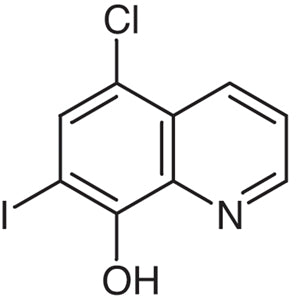
5-Chloro-8-hydroxy-7-iodoquinoline TCI C0187
Regular price From Rp 1.353.450,00Regular price -
SugammadexSodium TCI U0153
Regular price Rp 9.168.600,00Regular priceRp 6.427.050,00Sale price Rp 9.168.600,00 -
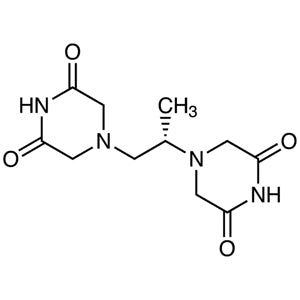
Dexrazoxane TCI D4227
Regular price Rp 3.419.850,00Regular price -
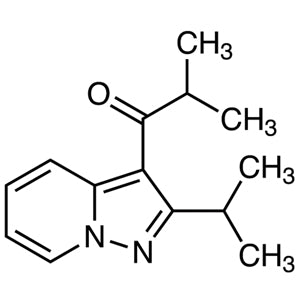
Ibudilast TCI I0740
Regular price From Rp 1.908.900,00Regular price -
IvabradineHydrochloride TCI I0847
Regular price From Rp 4.611.600,00Regular price -
Carbazochrome TCI A0176
Regular price From Rp 2.227.050,00Regular price -
L-Adrenaline TCI A0173
Regular price Rp 1.298.850,00Regular price -
Zonisamide TCI Z0026
Regular price Rp 2.199.750,00Regular priceRp 1.554.000,00Sale price Rp 2.199.750,00