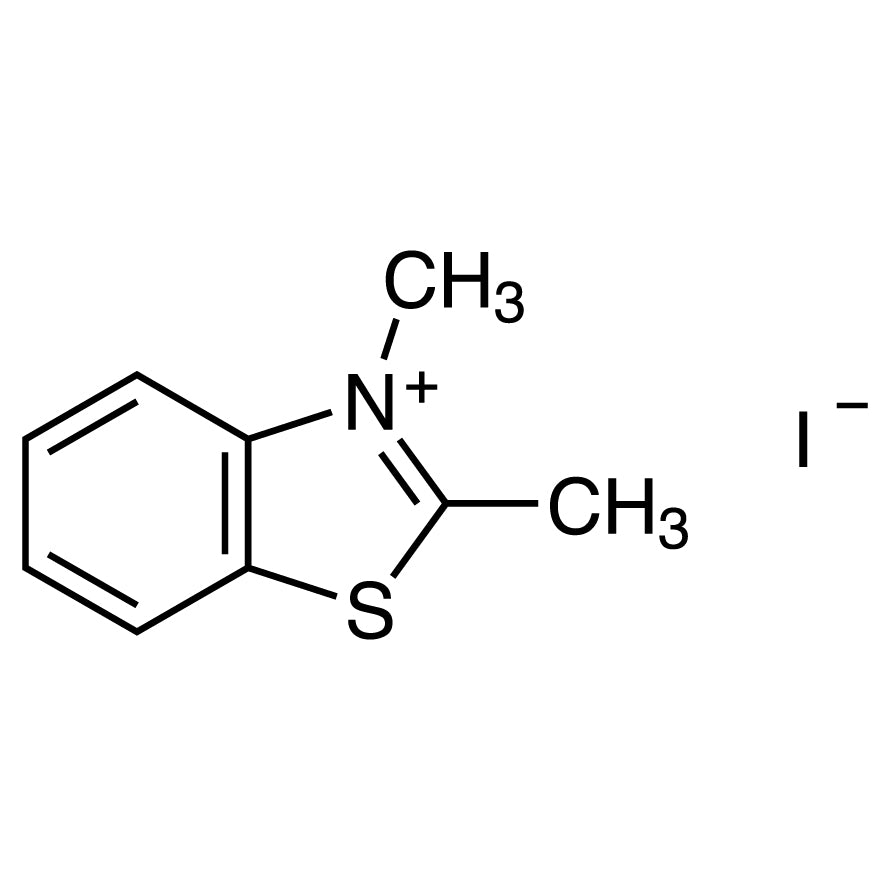
2,3-Dimethyl-1,3-benzothiazol-3-ium Iodide is a chemical compound widely used in laboratory experiments and analytical processes. This compound plays a crucial role in organic chemistry, particularly in synthetic reactions and structural analysis. Its unique molecular structure, combining a benzothiazol ring with an iodide ion, makes it a versatile reagent in various chemical transformations. It is commonly found in research settings where complex molecular structures and high reactivity are required.
The compound is valued for its solubility in organic solvents such as ethyl acetate and ethanol, which facilitates its use in purification and reaction processes. Its chemical stability ensures consistent performance in laboratory conditions, making it reliable for repeated use. Additionally, its reactivity allows it to function as both a reactant and a catalyst in different chemical reactions. These properties make it a preferred choice for researchers seeking efficient and effective chemical tools.
In Indonesian laboratories, this compound is frequently used in organic chemistry research and analytical studies. Its availability and reactivity make it a go-to material for scientists working on complex synthesis and reaction mechanisms. It is particularly useful in applications requiring precise chemical interactions and structural modifications. Its role in both academic and industrial research underscores its importance in the chemical sciences.
Advantages (TCI brochure)
- Acceptor unit for the terminal structure of cyanine dyes
- Enables dyes with absorption and fluorescence in NIR and SWIR regions
- Absorption/emission wavelengths and solubility adjustable by structure
TCI brochures (PDF)
- Building Blocks for Near-infrared/Short-wave-infrared Dyes 2025-08-07 · p. 1
Related TCI products
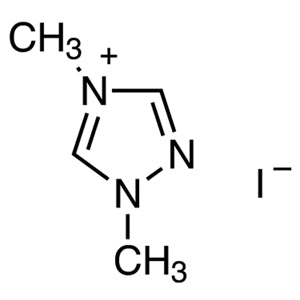
- TCI D3962 120317-69-3 1,4-Dimethyl-1,2,4-triazolium Iodide
- TCI D3903 218151-78-1 1,2-Dimethyl-3-propylimidazolium Iodide
- TCI T4070 2933-29-1 4,5,6,7-Tetrahydro-1,3-benzothiazol-2-amine
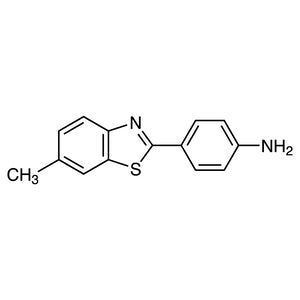
- TCI A3528 92-36-4 4-(6-Methyl-1,3-benzothiazol-2-yl)aniline
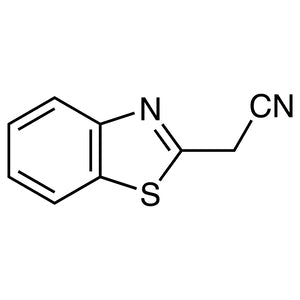
- TCI B6388 56278-50-3 1,3-Benzothiazol-2-ylacetonitrile
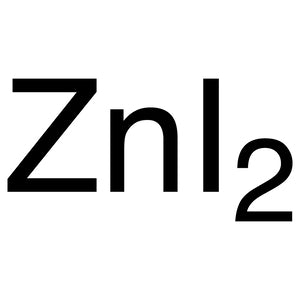
- TCI Z0055 10139-47-6 Zinc(II) Iodide
- Organic synthesis reactions benefit from this compound's reactivity and structural versatility, enabling the creation of complex molecules.
- Analytical chemistry uses it for its solubility and stability, aiding in the accurate detection and quantification of compounds.
- Catalytic processes in chemical reactions are enhanced by its ability to facilitate electron transfer and substitution reactions.
- Structural modification studies rely on its unique molecular framework to explore new chemical pathways and functional groups.
- Research in pharmaceutical development utilizes its reactivity to design and test new drug compounds and derivatives.
From the TCI brochure
- Synthesis of cyanine dyes
- Biomolecular staining and bio-imaging
| Brand | TCI |
|---|---|
| CAS number | 2785-06-0 |
| Molecular formula | — |
| Purity | — |
| Category | TCI |
| Pack sizes | Available in various quantities as per standard laboratory supply |
| Physical form | Solid powder |
| Storage | Store in a cool, dry place away from light and moisture |
This compound should be stored in a cool, dry environment, away from direct sunlight and moisture to maintain its chemical integrity. It is recommended to use airtight containers made of glass or high-density polyethylene to prevent contamination and degradation. Due to its reactivity, it should be handled with appropriate personal protective equipment, such as gloves and safety goggles, to ensure laboratory safety. Avoid exposure to incompatible substances, and ensure proper ventilation when working with it. Regular monitoring of storage conditions is advised to maintain its effectiveness and safety in laboratory use.
—
Produk Terkait
-
1,4-Dimethyl-1,2,4-triazoliumIodide TCI D3962
Regular price Rp 1.483.650,00Regular priceRp 1.053.150,00Sale price Rp 1.483.650,00 -
1,2-Dimethyl-3-propylimidazoliumIodide TCI D3903
Regular price Rp 1.618.050,00Regular priceRp 1.146.600,00Sale price Rp 1.618.050,00 -
4,5,6,7-Tetrahydro-1,3-benzothiazol-2-amine TCI T4070
Regular price Rp 3.048.150,00Regular priceRp 2.147.250,00Sale price Rp 3.048.150,00 -
4-(6-Methyl-1,3-benzothiazol-2-yl)aniline TCI A3528
Regular price Rp 1.749.300,00Regular priceRp 1.239.000,00Sale price Rp 1.749.300,00 -
1,3-Benzothiazol-2-ylacetonitrile TCI B6388
Regular price Rp 795.900,00Regular priceRp 572.250,00Sale price Rp 795.900,00 -
Zinc(II)Iodide TCI Z0055
Regular price Rp 2.518.950,00Regular priceRp 1.776.600,00Sale price Rp 2.518.950,00 -
Zinc(II)Iodide TCI Z0055-25G
Regular price Rp 848.400,00Regular priceRp 609.000,00Sale price Rp 848.400,00 -
AcetylIodide TCI A0095
Regular price Rp 6.438.600,00Regular priceRp 4.518.150,00Sale price Rp 6.438.600,00