4-(6-Methyl-1,3-benzothiazol-2-yl)aniline is a chemical compound that plays a vital role in laboratory research, particularly in the synthesis of complex molecules. As a heterocyclic building block, it serves as a foundational material for creating compounds with specific biological activities. This compound is widely used in organic chemistry and pharmacology for its ability to participate in various chemical reactions, enabling the development of new drugs and functional materials. Its structural versatility makes it an essential tool for researchers aiming to explore new chemical pathways and molecular designs.
The compound’s unique molecular structure, featuring a benzothiazol ring linked to an aniline chain, contributes to its high reactivity. This reactivity allows it to undergo substitution and condensation reactions with a variety of reagents, making it a preferred choice for synthetic chemists. Its stability under controlled conditions further enhances its utility in laboratory settings. These properties ensure that it remains a reliable and effective component in the synthesis of heterocyclic compounds, supporting both academic and industrial research efforts.
In Indonesian laboratories, 4-(6-Methyl-1,3-benzothiazol-2-yl)aniline is commonly used in scientific research related to organic chemistry and pharmacology. It is a key reagent in experiments that require building blocks for the synthesis of bioactive compounds. Many research institutions and universities in Indonesia rely on this compound for its consistent performance and reliability in chemical synthesis processes. Its application supports the development of new pharmaceuticals and chemical products, contributing to the advancement of scientific knowledge in the region.
Related TCI products
- TCI T4070 2933-29-1 4,5,6,7-Tetrahydro-1,3-benzothiazol-2-amine
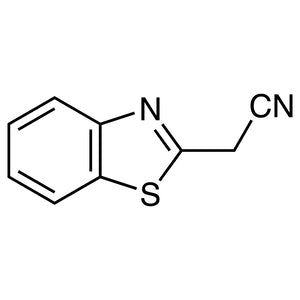
- TCI B6388 56278-50-3 1,3-Benzothiazol-2-ylacetonitrile
- TCI T3013 6523-49-5 4-(1,2,4-Triazol-1-yl)aniline
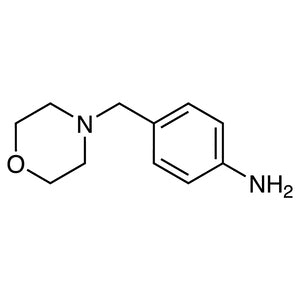
- TCI A3736 51013-67-3 4-(Morpholinomethyl)aniline
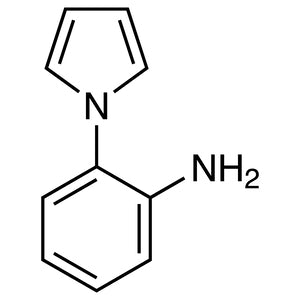
- TCI A3475 6025-60-1 2-(1H-Pyrrol-1-yl)aniline
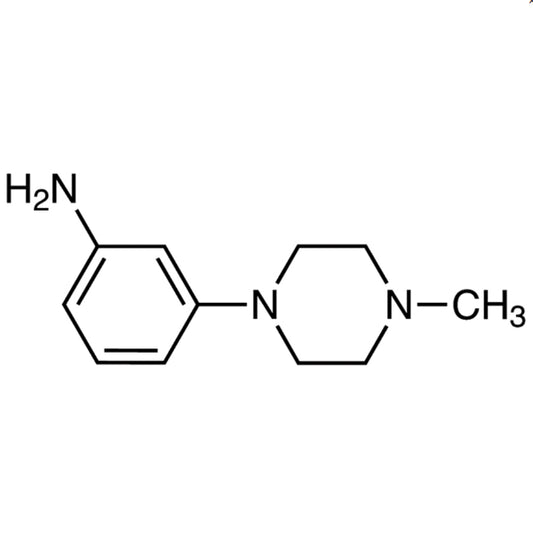
- TCI A2714 148546-99-0 3-(4-Methyl-1-piperazinyl)aniline
- Drug development research utilizes this compound as a key building block for synthesizing bioactive molecules with potential therapeutic applications.
- Organic chemistry experiments benefit from its reactivity and structural versatility, enabling the creation of complex heterocyclic compounds.
- Pharmaceutical research leverages its properties for the design and synthesis of new drug candidates with targeted biological activities.
- Industrial chemical synthesis applications rely on its stability and reactivity to produce functional materials and specialty chemicals.
- Academic research in pharmacology and medicinal chemistry uses it to explore new chemical pathways and molecular structures.
| Brand | TCI |
|---|---|
| CAS number | 92-36-4 |
| Molecular formula | — |
| Purity | — |
| Category | Chemistry > Building Blocks > Heterocyclic Building Blocks |
| Pack sizes | Available in various quantities as per supplier specifications |
| Physical form | Solid, typically in crystalline or powder form |
| Storage | Store in a cool, dry place away from direct sunlight and moisture |
This compound should be stored in a cool, dry environment, away from direct sunlight and moisture to maintain its chemical integrity. It is recommended to use airtight containers made of glass or polyethylene to prevent contamination and degradation. Due to its reactivity, it should be handled with appropriate personal protective equipment, such as gloves and safety goggles, to ensure laboratory safety. Proper ventilation is also essential when working with this material to minimize exposure. Regular inspection of storage conditions is advised to ensure optimal preservation and safe usage in laboratory settings.
—
Produk Terkait
-
4,5,6,7-Tetrahydro-1,3-benzothiazol-2-amine TCI T4070
Regular price From Rp 3.048.150,00Regular priceRp 2.147.250,00Sale price From Rp 3.048.150,00 -
1,3-Benzothiazol-2-ylacetonitrile TCI B6388
Regular price From Rp 795.900,00Regular priceRp 572.250,00Sale price From Rp 795.900,00 -
4-(1,2,4-Triazol-1-yl)aniline TCI T3013
Regular price Rp 1.167.600,00Regular priceRp 831.600,00Sale price Rp 1.167.600,00 -
4-(Morpholinomethyl)aniline TCI A3736
Regular price From Rp 1.008.000,00Regular priceRp 720.300,00Sale price From Rp 1.008.000,00 -
2-(1H-Pyrrol-1-yl)aniline TCI A3475
Regular price Rp 4.876.200,00Regular priceRp 3.425.100,00Sale price Rp 4.876.200,00 -
3-(4-Methyl-1-piperazinyl)aniline TCI A2714
Regular price From Rp 1.060.500,00Regular priceRp 757.050,00Sale price From Rp 1.060.500,00 -
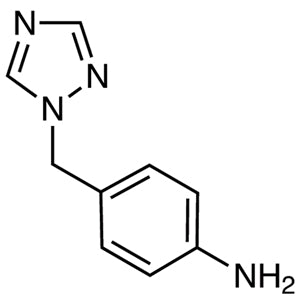
4-(1,2,4-Triazol-1-ylmethyl)aniline TCI A2148
Regular price From Rp 530.250,00Regular priceRp 386.400,00Sale price From Rp 530.250,00 -
4-[(1-Pyrrolidinylsulfonyl)methyl]aniline TCI P2148
Regular price From Rp 689.850,00Regular priceRp 497.700,00Sale price From Rp 689.850,00