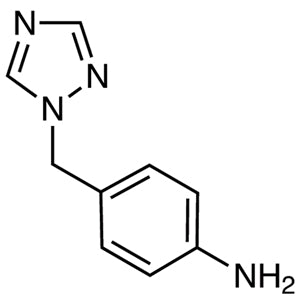
4-(Morpholinomethyl)aniline is a chemical compound widely used in organic synthesis reactions within laboratory settings. It serves as a key building block for the creation of heterocyclic compounds and amino derivatives, playing a crucial role in various synthetic pathways. This compound is particularly valuable in the development of complex molecular structures, making it an essential tool for researchers in multiple scientific disciplines. Its versatility allows it to be incorporated into a wide range of chemical processes, supporting both fundamental and applied research.
The reactivity of 4-(Morpholinomethyl)aniline is one of its most notable features, making it a preferred choice for chemists. The presence of both aniline and morpholine groups contributes to its ability to participate in multiple reaction types, including substitution and condensation reactions. This reactivity enables the synthesis of compounds with specific biological activities, which is highly sought after in pharmaceutical and material sciences. Its structural complexity further enhances its utility, allowing for the formation of diverse chemical entities with tailored properties.
In Indonesian laboratories, 4-(Morpholinomethyl)aniline is commonly used in scientific research, especially in organic chemistry and pharmacology. Its role in creating complex molecules makes it a staple in both academic and industrial research environments. The compound's reactivity and structural versatility ensure its continued relevance in the development of new materials and pharmaceutical compounds. Its widespread use underscores its importance in advancing scientific innovation in the region.
Related TCI products
- Organic synthesis is a primary application where this compound is used to create complex heterocyclic structures due to its reactivity and structural versatility.
- Pharmaceutical research benefits from its ability to form compounds with specific biological activities, supporting drug development and discovery.
- Material science applications leverage its chemical properties to develop new polymers and functional materials with unique characteristics.
- Analytical chemistry utilizes its reactivity for the synthesis of reference standards and calibration compounds in various analytical methods.
- Environmental studies may use it as a model compound to study the behavior of nitrogen-containing compounds in different chemical environments.
| Brand | TCI |
|---|---|
| CAS number | 51013-67-3 |
| Molecular formula | — |
| Purity | — |
| Category | Chemistry > Building Blocks > Heterocyclic Building Blocks |
| Pack sizes | Available in various quantities as per standard laboratory supply options |
| Physical form | Solid or liquid, depending on the specific product variant |
| Storage | Should be stored in a cool, dry place away from direct sunlight and incompatible substances |
This compound should be stored in a cool, dry environment, away from direct sunlight and sources of heat. It is recommended to use airtight containers made of materials that are chemically inert to prevent any unwanted reactions. Due to its reactivity, it should be kept away from strong oxidizing agents and acids. Proper labeling of storage containers is essential for safety and traceability. Laboratory personnel should always wear appropriate personal protective equipment, including gloves and safety goggles, when handling this material. Regular monitoring of storage conditions ensures the compound remains stable and safe for use in research applications.
—
Produk Terkait
-
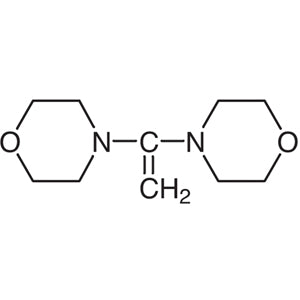
1,1-Bis(morpholino)ethylene TCI B1180
Regular price Rp 4.452.000,00Regular priceRp 3.129.000,00Sale price Rp 4.452.000,00 -
Ethyl3-(Morpholino)propionate TCI E0784
Regular price From Rp 1.033.200,00Regular priceRp 738.150,00Sale price From Rp 1.033.200,00 -
Morpholino(phenyl)methanone TCI B6410
Regular price From Rp 1.696.800,00Regular priceRp 1.202.250,00Sale price From Rp 1.696.800,00 -
4-(1,2,4-Triazol-1-yl)aniline TCI T3013
Regular price Rp 1.167.600,00Regular priceRp 831.600,00Sale price Rp 1.167.600,00 -
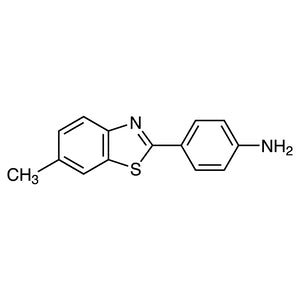
4-(6-Methyl-1,3-benzothiazol-2-yl)aniline TCI A3528
Regular price From Rp 1.749.300,00Regular priceRp 1.239.000,00Sale price From Rp 1.749.300,00 -
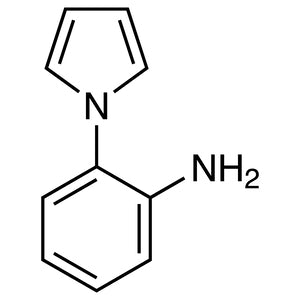
2-(1H-Pyrrol-1-yl)aniline TCI A3475
Regular price Rp 4.876.200,00Regular priceRp 3.425.100,00Sale price Rp 4.876.200,00 -
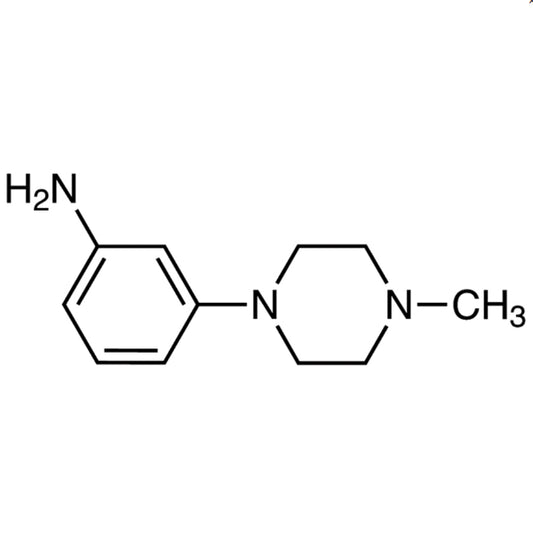
3-(4-Methyl-1-piperazinyl)aniline TCI A2714
Regular price From Rp 1.060.500,00Regular priceRp 757.050,00Sale price From Rp 1.060.500,00 -
4-(1,2,4-Triazol-1-ylmethyl)aniline TCI A2148
Regular price From Rp 530.250,00Regular priceRp 386.400,00Sale price From Rp 530.250,00