2-(1H-Pyrrol-1-yl)aniline is a chemical compound widely used in organic synthesis reactions, particularly in the formation of heterocyclic compounds. As a fundamental building block in chemistry, it plays a crucial role in the development of complex molecular structures. This compound is essential for researchers aiming to create new materials, pharmaceuticals, and industrial chemicals. Its versatility makes it a valuable asset in both academic and industrial laboratory settings.
The compound is known for its high reactivity and stability, which allows it to participate effectively in various chemical reactions such as substitution, condensation, and chain coupling. It dissolves well in organic solvents, facilitating easy mixing and reaction processes. These properties make it a preferred choice for chemists working on synthetic pathways that require reliable and efficient reagents.
In Indonesian laboratories, 2-(1H-Pyrrol-1-yl)aniline is commonly used in scientific research, especially in the fields of organic chemistry and pharmaceutical development. Its role in creating complex heterocyclic structures supports innovation in drug discovery and material science. Due to its chemical properties, it is a staple in many research projects aimed at advancing scientific knowledge and practical applications.
Related TCI products
- TCI T3013 6523-49-5 4-(1,2,4-Triazol-1-yl)aniline
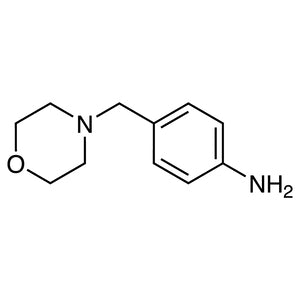
- TCI A3736 51013-67-3 4-(Morpholinomethyl)aniline
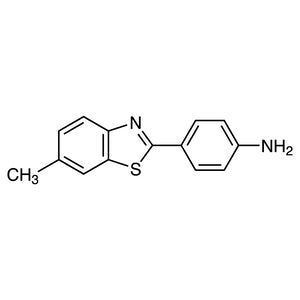
- TCI A3528 92-36-4 4-(6-Methyl-1,3-benzothiazol-2-yl)aniline
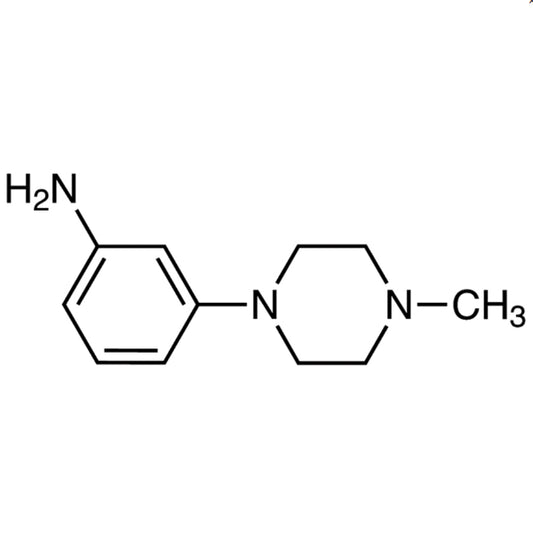
- TCI A2714 148546-99-0 3-(4-Methyl-1-piperazinyl)aniline
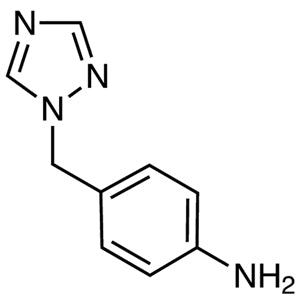
- TCI A2148 119192-10-8 4-(1,2,4-Triazol-1-ylmethyl)aniline
- TCI P2148 334981-10-1 4-[(1-Pyrrolidinylsulfonyl)methyl]aniline
- Organic synthesis is a key application where this compound is used to build complex heterocyclic structures, enabling the development of new pharmaceuticals and materials.
- Pharmaceutical research benefits from its role in the synthesis of drug molecules, supporting the creation of compounds with therapeutic potential.
- Industrial chemical production utilizes this compound in the manufacture of specialty chemicals, contributing to the development of advanced materials and products.
- Material science research employs this compound to develop new polymers and functional materials with unique properties.
- Academic research in chemistry relies on this compound for teaching and experimental purposes, enhancing understanding of heterocyclic chemistry.
| Brand | TCI |
|---|---|
| CAS number | 6025-60-1 |
| Molecular formula | — |
| Purity | — |
| Category | Chemistry > Building Blocks > Heterocyclic Building Blocks |
| Pack sizes | Available in various quantities as per standard laboratory supply |
| Physical form | Solid or liquid, depending on the specific product variant |
| Storage | Store in a cool, dry place away from light and moisture |
This compound should be stored in a cool, dry place, away from direct light and moisture to maintain its chemical stability. It is recommended to use airtight containers made of glass or polyethylene to prevent contamination and degradation. Due to its reactivity, it should be handled in a well-ventilated area, and appropriate personal protective equipment such as gloves and goggles should be worn. Avoid contact with incompatible substances, and ensure that storage conditions are consistent with standard laboratory safety protocols. Regular monitoring of storage conditions is advised to ensure the compound remains in optimal condition for use in experiments.
—
Produk Terkait
-
4-(1,2,4-Triazol-1-yl)aniline TCI T3013
Regular price Rp 1.115.100,00Regular price -
4-(Morpholinomethyl)aniline TCI A3736
Regular price From Rp 955.500,00Regular price -
4-(6-Methyl-1,3-benzothiazol-2-yl)aniline TCI A3528
Regular price From Rp 1.696.800,00Regular price -
3-(4-Methyl-1-piperazinyl)aniline TCI A2714
Regular price From Rp 1.008.000,00Regular price -
4-(1,2,4-Triazol-1-ylmethyl)aniline TCI A2148
Regular price From Rp 477.750,00Regular price -
4-[(1-Pyrrolidinylsulfonyl)methyl]aniline TCI P2148
Regular price From Rp 637.350,00Regular price -
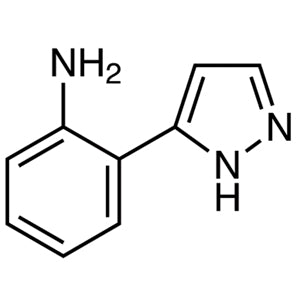
2-(1H-Pyrazol-5-yl)aniline TCI P1902
Regular price Rp 9.248.400,00Regular price -
4-(4-Methyl-1-piperazinyl)aniline TCI M2154
Regular price From Rp 717.150,00Regular price


![334981-10-1 4-[(1-Pyrrolidinylsulfonyl)methyl]aniline - AMI Scientific](http://amiscientific.com/cdn/shop/files/TCI2510P2148.jpg?v=1767135798&width=533)