2,4-(or 4,6)-Diethyl-6(or 2)-methylbenzene-1,3-diamine (mixture of isomers) is a chemical compound widely used as a building block in the synthesis of complex molecules. This compound features an aromatic benzene ring with two amino groups positioned at the 1 and 3 positions. Its structural versatility makes it a valuable resource for chemists working in various fields, including organic chemistry and pharmaceutical research. The compound's ability to participate in multiple chemical reactions allows it to be a key player in the development of new compounds and materials.
The compound's reactivity and chemical stability under specific conditions make it a preferred choice for laboratory applications. It is particularly effective in reactions involving alkylating agents or substitution reagents, enabling the formation of a wide range of functional groups. Its ability to form stable intermediates during synthesis enhances its utility in multi-step organic reactions. The presence of multiple isomers also adds to its flexibility, allowing for the synthesis of diverse molecular structures with varying properties.
In Indonesian laboratories, this compound is extensively used in organic chemistry research and the development of new compounds. It is a common reagent in academic and industrial settings, supporting both basic research and applied projects. Its availability and reactivity make it a go-to material for chemists aiming to explore new synthetic pathways and functional group modifications.
- Organic synthesis: This compound is ideal for constructing complex molecular frameworks due to its multiple reactive sites and aromatic structure.
- Pharmaceutical research: It serves as a key intermediate in the development of new drugs, enabling the creation of diverse functional groups.
- Functional group modification: Its reactivity allows it to participate in various substitution and alkylating reactions, enhancing molecular diversity.
- Isomer-based synthesis: The mixture of isomers provides flexibility in designing different molecular structures, supporting varied synthetic approaches.
- Research and development: It is widely used in academic and industrial R&D to explore new chemical pathways and compound properties.
| Brand | TCI |
|---|---|
| CAS number | 75389-89-8 |
| Molecular formula | — |
| Purity | — |
| Category | Chemistry > Building Blocks > Non-Heterocyclic Building Blocks |
| Pack sizes | Available in standard laboratory quantities |
| Physical form | Solid, crystalline or powder |
| Storage | Store in a cool, dry place away from light and incompatible substances |
This compound should be stored in a cool, dry environment, away from direct sunlight and sources of heat. It is recommended to keep it in a sealed container to prevent moisture absorption and contamination. Due to its reactivity, it should be handled in a well-ventilated area, preferably under a fume hood, to minimize exposure. Avoid contact with strong oxidizing agents or acids, as they may cause unwanted reactions. Proper personal protective equipment, including gloves and safety goggles, should be worn during handling to ensure laboratory safety.
—
Produk Terkait
-
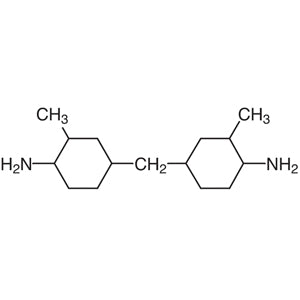
4,4'-Methylenebis(2-methylcyclohexylamine)(mixtureofisomers) TCI M1422
Regular price From Rp 505.050,00Regular price -
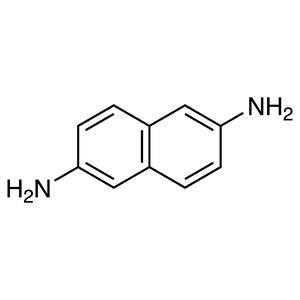
Naphthalene-2,6-diamine TCI D6067
Regular price Rp 3.949.050,00Regular price -
Bis(aminomethyl)norbornane(mixtureofisomers) TCI B3852
Regular price From Rp 980.700,00Regular price -
4,4'-Methylenebis(cyclohexylamine)(mixtureofisomers) TCI M0699
Regular price From Rp 477.750,00Regular price -
Ethyl-1,18-octadecanediamine(mixtureofbranchedchainisomers) TCI E1568
Regular price From Rp 1.087.800,00Regular price -
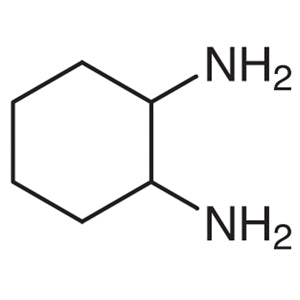
1,2-Cyclohexanediamine(cis-andtrans-mixture) TCI D0277
Regular price From Rp 795.900,00Regular price -
Dicyclohexylmethane4,4'-Diisocyanate(mixtureofisomers) TCI D2380
Regular price Rp 795.900,00Regular price -
5-Norbornene-2-methylamine(mixtureofisomers) TCI N0907
Regular price From Rp 2.068.500,00Regular price