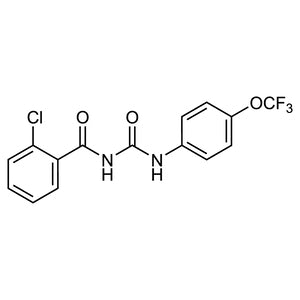
TCI D6411 is Diniconazole, a triazole-class compound known as a demethylation inhibitor (DMI) fungicide and widely used as a test substance in life science research. In the laboratory, this compound serves a dual role: as a test agent in biochemical studies of the sterol biosynthesis pathway, and as a reference material in pesticide residue analysis. Its ability to interfere with specific cytochrome P450 enzymes makes it a classic tool for tracing the role of biosynthetic pathways in fungal cells as well as plant tissues.
The property that makes Diniconazole a preferred choice among researchers is its specific inhibitory action against cytochrome P450-dependent enzymes, particularly at the demethylation step in sterol biosynthesis. Because its point of action is clearly defined, this compound can be used to separate the influence of one metabolic pathway from another within an experimental design. The triazole ring is responsible for binding to the heme iron centre of the target enzyme, while the remaining portion of the molecule determines the strength and selectivity of that binding. As a solid that remains stable under reasonable storage conditions, it is practical to weigh and dissolve in organic solvents for the preparation of stock solutions.
In Indonesian laboratories, Diniconazole is typically handled in university research units, agricultural and plant protection institutions, and analytical laboratories that examine pesticide residues. It is generally prepared as a stock solution in an organic solvent and then diluted to the working concentration required by the experimental protocol. Because the material is supplied as a stable solid, it suits laboratories that need a reference substance ready for use across successive analytical runs and biochemical assay series.
- Sterol biosynthesis pathway studies: its defined action at the demethylation step allows researchers to attribute observed effects to a single, well-characterised biochemical target rather than to diffuse metabolic disturbance.
- Cytochrome P450 enzyme inhibition research: the triazole ring binds the heme iron centre of the target enzyme, giving a reproducible mechanism for probing P450-dependent enzyme function in cellular systems.
- Pesticide residue analysis: as a triazole fungicide supplied in stable solid form, it serves as a comparison substance when identifying and confirming residues in analytical laboratory workflows.
- Fungal cell biology investigations: its inhibitory action on sterol biosynthesis in fungal cells makes it a classic tool for examining how this pathway contributes to fungal cell function.
- Plant tissue metabolic studies: researchers apply it to plant tissues to trace the contribution of sterol biosynthesis, since its clearly defined point of action supports controlled comparative experimental designs.
| Brand | TCI |
|---|---|
| CAS number | 70217-36-6 |
| Molecular formula | — |
| Purity | — |
| Category | Life Science > Cell Biology > Nutrition Research |
| Pack sizes | available in standard TCI catalogue pack sizes; please confirm the required quantity when ordering |
| Physical form | solid |
| Storage | store under the conditions stated on the manufacturer's label; the material is stable under reasonable storage conditions |
Store the container tightly closed in a cool, dry place away from direct sunlight, moisture, and incompatible chemicals, following the conditions printed on the manufacturer's label. Keep the material in its original container or in a chemically resistant, well-sealed vessel that is clearly labelled with the compound name and CAS number. Handle the solid in a fume hood using gloves, safety glasses, and a laboratory coat, and avoid generating dust during weighing. Prepare stock solutions in organic solvent only in a ventilated area, and label and date all dilutions. As a fungicidal active substance, it should be handled as a pesticide-class chemical and disposed of according to institutional chemical waste procedures.
—
Produk Terkait
-
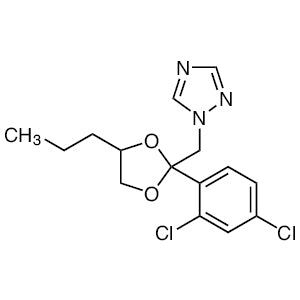
Propiconazole TCI P2033
Regular price From Rp 2.386.650,00Regular price -
Uniconazole TCI U0155
Regular price From Rp 1.565.550,00Regular price -
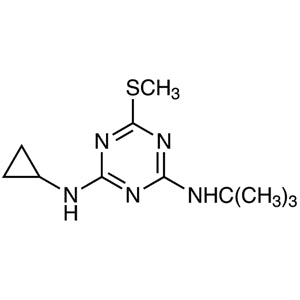
2-(tert-Butylamino)-4-(cyclopropylamino)-6-(methylthio)-1,3,5-triazine TCI I0842
Regular price From Rp 1.644.300,00Regular price -
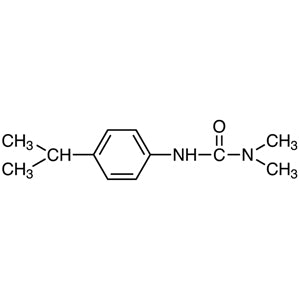
Isoproturon TCI I0843
Regular price From Rp 1.298.850,00Regular price -
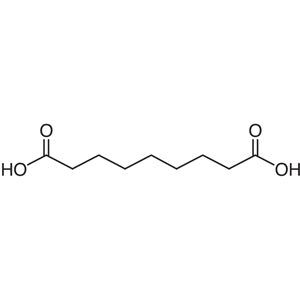
AzelaicAcid TCI A0561
Regular price From Rp 505.050,00Regular price -
AbieticAcid TCI A0001
Regular price From Rp 1.510.950,00Regular price -
Sulfentrazone TCI U0110
Regular price From Rp 2.411.850,00Regular price -
Triflumuron TCI T4364
Regular price From Rp 1.220.100,00Regular price