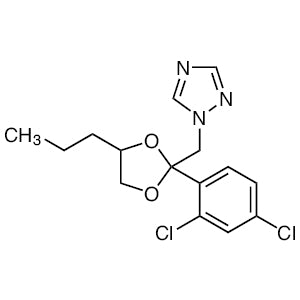
Propiconazole from TCI is a triazole fungicide compound widely known in agriculture. In the laboratory it is used as a research material and as a reference substance. Biochemically, propiconazole inhibits sterol 14α-demethylase (CYP51), the enzyme involved in ergosterol biosynthesis in fungi. This makes it relevant to mycology, cell biology, toxicology, and nutrition or food safety studies related to pesticide residues. Researchers use it to study fungal sterol pathways, enzyme inhibition and how agrochemical residues behave in biological and food systems.
Researchers choose this compound because its action on the sterol biosynthesis pathway has been studied extensively, so it works as a well-characterised comparison tool in experiments. Its triazole structure can interact with the heme iron of cytochrome P450 enzymes, which makes it useful for research on enzyme interactions and metabolism. In analytical chemistry, propiconazole is a common target analyte when testing for residues in agricultural products and environmental samples. A material with a clear identity is therefore very helpful when developing and validating chromatographic methods, and supplying it under a recognised brand such as TCI supports traceable laboratory work.
Agriculture and plantations are important sectors in Indonesia, and triazole fungicides are widely used in them. Monitoring their residues and effects is therefore a real concern for research and testing laboratories across the country. University research groups, food safety and quality control laboratories, environmental testing facilities and agricultural research institutes can use TCI Propiconazole as a reference material for residue analysis and method development. It also supports cell biology and toxicology studies on how triazole compounds affect living systems.
TCI brochures (PDF)
- Agrochemical Ingredients for Research and Experimental Use 2026-01-08 · p. 5
- Plant Research Reagents 2026-02-24 · p. 11
- Mycology research: propiconazole inhibits sterol 14α-demethylase (CYP51) in ergosterol biosynthesis, so it is a useful tool for studying how fungal growth and sterol pathways respond to inhibition.
- Pesticide residue analysis: propiconazole is a common target analyte in residue testing of agricultural products, so a clearly identified material supports calibration and confirmation of results.
- Chromatographic method development: a reference substance with a clear identity helps laboratories develop, optimise and validate chromatographic methods for detecting triazole fungicides in complex sample matrices.
- Cytochrome P450 interaction studies: the triazole structure can interact with the heme iron of cytochrome P450 enzymes, which makes the compound relevant to research on enzyme binding and metabolism.
- Toxicology and food safety research: because triazole fungicides are widely used in agriculture and plantations, this compound supports studies of residue exposure, biological effects and nutrition-related food safety questions.
| Brand | TCI (product code P2033) |
|---|---|
| CAS number | 60207-90-1 |
| Molecular formula | — |
| Purity | — |
| Category | Life Science > Cell Biology > Nutrition Research |
| Pack sizes | available in TCI pack sizes; please confirm with AMI Scientific when you enquire |
| Physical form | see the TCI product documentation and Certificate of Analysis |
| Storage | follow the conditions on the TCI label and Safety Data Sheet |
Store Propiconazole in its original, tightly closed TCI container, as stated on the product label and Safety Data Sheet. Keep it in a cool, dry, well-ventilated area away from direct sunlight, heat sources and incompatible substances. Label containers clearly and keep them away from food and animal feed. Handle the material in a well-ventilated area or fume hood, and wear suitable personal protective equipment such as gloves, safety glasses and a laboratory coat. Avoid skin and eye contact and do not breathe in vapours or aerosols. Because it is a pesticide-active compound, dispose of waste and contaminated materials according to local regulations and your institution's chemical waste procedures. Read the Safety Data Sheet before first use.
—
Produk Terkait
-
Diniconazole TCI D6411
Regular price From Rp 980.700,00Regular price -
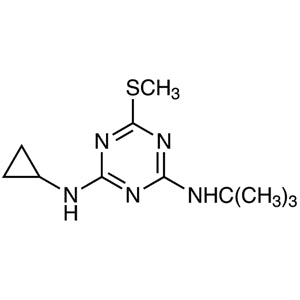
2-(tert-Butylamino)-4-(cyclopropylamino)-6-(methylthio)-1,3,5-triazine TCI I0842
Regular price From Rp 1.644.300,00Regular price -
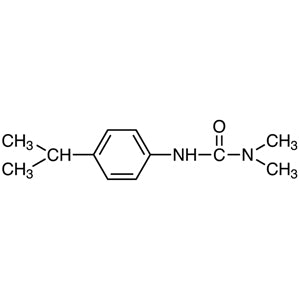
Isoproturon TCI I0843
Regular price From Rp 1.298.850,00Regular price -
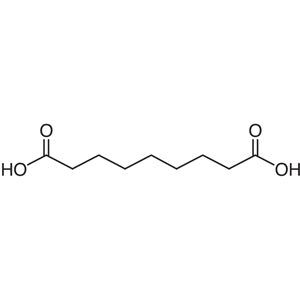
AzelaicAcid TCI A0561
Regular price From Rp 505.050,00Regular price -
AbieticAcid TCI A0001
Regular price From Rp 1.510.950,00Regular price -
Sulfentrazone TCI U0110
Regular price From Rp 2.411.850,00Regular price -
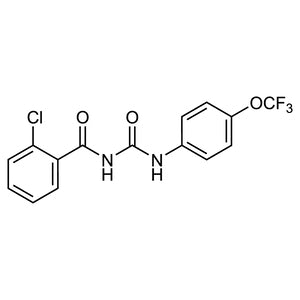
Triflumuron TCI T4364
Regular price From Rp 1.220.100,00Regular price -
Tralopyril TCI T4109
Regular price From Rp 2.730.000,00Regular price