

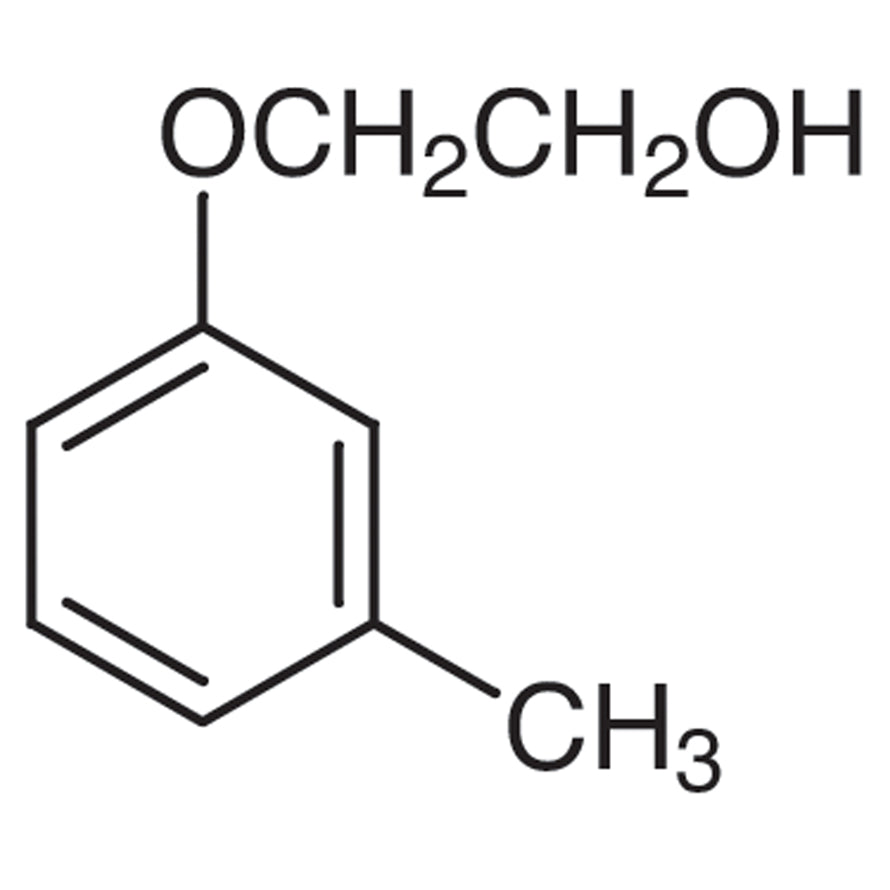
Ethylene Glycol Mono-m-tolyl Ether (TCI E0302, CAS 13605-19-1) is a chemical compound widely used as a building block in various laboratory applications. It serves as a versatile reagent in organic synthesis, offering a reliable starting point for the creation of more complex molecular structures. Its chemical structure provides a foundation for multiple reaction pathways, making it a valuable tool in both academic and industrial research settings. This compound is commonly found in chemical laboratories where the synthesis of new compounds is a primary objective.
The compound's polar nature and good solubility in organic solvents make it a preferred choice for chemical reactions. These properties facilitate efficient mixing and reaction processes, enhancing the overall effectiveness of laboratory procedures. Its ability to participate in substitution and esterification reactions further solidifies its role in synthetic chemistry. The stability of Ethylene Glycol Mono-m-tolyl Ether under normal laboratory conditions ensures that it remains a reliable and consistent reagent for experimental use.
In Indonesian laboratories, Ethylene Glycol Mono-m-tolyl Ether is frequently used in scientific research involving the synthesis of new compounds. It is commonly found in chemical, pharmaceutical, and industrial laboratories due to its availability and favorable chemical properties. Its role in supporting scientific experiments makes it an essential component in the pursuit of chemical innovation and discovery within the Indonesian scientific community.
Related TCI products
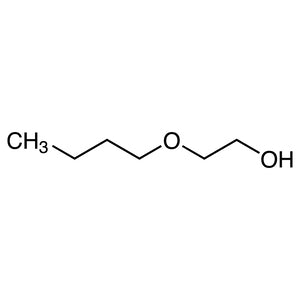
- TCI B0698 111-76-2 Ethylene Glycol Monobutyl Ether
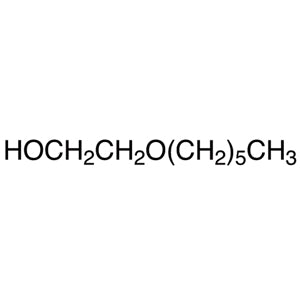
- TCI H0343 112-25-4 Ethylene Glycol Monohexyl Ether
- TCI E1335 54914-85-1 Ethylene Glycol Di(m-tolyl) Ether
- TCI E0514 2807-30-9 Ethylene Glycol Monopropyl Ether
- TCI E0504 34743-88-9 Ethylene Glycol Mono(4-bromophenyl) Ether
- TCI E0414 25909-66-4 Ethylene Glycol Bis[4-(ethoxycarbonyl)phenyl] Ether
- Organic synthesis applications benefit from Ethylene Glycol Mono-m-tolyl Ether due to its reactivity and structural versatility, enabling the creation of complex organic molecules.
- Pharmaceutical research utilizes this compound as a building block for the development of new drug compounds, leveraging its chemical properties for targeted synthesis.
- Chemical laboratories rely on this reagent for its solubility and stability, making it ideal for a wide range of synthetic reactions and experimental protocols.
- Industrial chemical processes incorporate this compound for its role in esterification and substitution reactions, supporting the production of specialty chemicals.
- Research institutions use Ethylene Glycol Mono-m-tolyl Ether in academic studies to explore new chemical pathways and molecular structures for scientific advancement.
| Brand | TCI |
|---|---|
| CAS number | 13605-19-1 |
| Molecular formula | — |
| Purity | — |
| Category | Chemistry > Building Blocks > Non-Heterocyclic Building Blocks |
| Pack sizes | Available in various quantities as per supplier specifications |
| Physical form | Liquid |
| Storage | Store in a cool, dry place away from direct sunlight and incompatible materials |
Ethylene Glycol Mono-m-tolyl Ether should be stored in a cool, dry environment to maintain its stability and prevent degradation. It is recommended to use airtight containers to minimize exposure to moisture and air, which can affect its chemical integrity. The compound should be kept away from incompatible substances such as strong oxidizers to avoid potential reactions. In laboratory settings, proper ventilation is essential when handling this material to ensure safe working conditions. Always follow standard safety protocols, including the use of personal protective equipment, to prevent direct contact with skin or inhalation of vapors. Regular monitoring of storage conditions ensures the compound remains suitable for use in scientific experiments.
—
Produk Terkait
-
EthyleneGlycolMonobutylEther TCI B0698
Regular price From Rp 477.750,00Regular price -
EthyleneGlycolMonohexylEther TCI H0343
Regular price From Rp 505.050,00Regular price -
EthyleneGlycolDi(m-tolyl)Ether TCI E1335
Regular price From Rp 1.856.400,00Regular price -
EthyleneGlycolMonopropylEther TCI E0514
Regular price From Rp 557.550,00Regular price -
EthyleneGlycolMono(4-bromophenyl)Ether TCI E0504
Regular price Rp 7.394.100,00Regular price -
EthyleneGlycolBis[4-(ethoxycarbonyl)phenyl]Ether TCI E0414
Regular price Rp 5.644.800,00Regular price -
EthyleneGlycolMono-tert-butylEther TCI E0354
Regular price From Rp 875.700,00Regular price -
EthyleneGlycolMono-p-tolylEther TCI E0303
Regular price From Rp 1.273.650,00Regular price


![Ethylene Glycol Bis[4-(ethoxycarbonyl)phenyl] Ether (CAS 25909-66-4) - TCI E0414 - AMI Scientific](http://amiscientific.com/cdn/shop/files/TCI2510E0414.jpg?v=1767111219&width=533)

