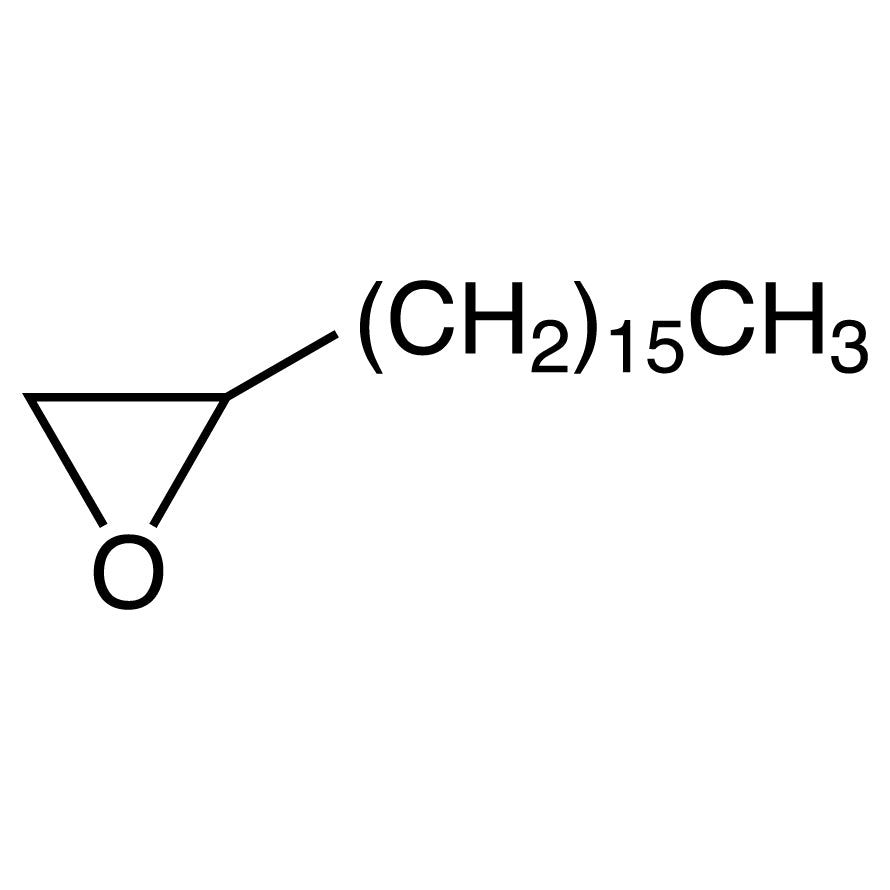
1,2-Epoxyoctadecane is a chemical compound widely used in laboratory settings for its versatility in organic synthesis. As a member of the epoxide family, it serves as a crucial building block in the creation of heterocyclic compounds. Its unique structure allows it to participate in various chemical reactions, making it a valuable tool for researchers. In the laboratory, this compound is essential for the development of complex molecules with ring structures, often used in both academic and industrial research. Its reactivity and functional group compatibility make it a go-to material for synthetic chemists.
The compound's reactivity is primarily due to its epoxide ring, which is highly susceptible to nucleophilic attack. This characteristic enables it to engage in ring-opening reactions, substitution reactions, and other synthetic transformations. Its ability to form new bonds selectively makes it ideal for controlled chemical processes. Additionally, its chemical stability under certain conditions ensures that it remains a reliable reagent for a wide range of applications. These properties make it a preferred choice for chemists working on complex molecular designs.
In Indonesian laboratories, 1,2-Epoxyoctadecane is commonly used in organic chemistry research, particularly in academic institutions and research centers. Its availability in various packaging formats supports both small-scale experiments and larger research projects. The compound's role in creating heterocyclic structures is especially significant in the study of pharmaceuticals and materials science. Its consistent performance and reactivity make it a staple in many laboratory workflows across Indonesia.
Related TCI products
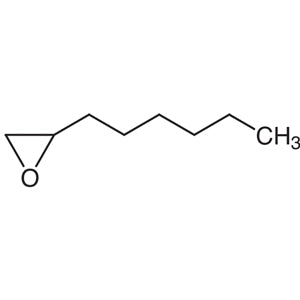
- TCI E0206 2984-50-1 1,2-Epoxyoctane
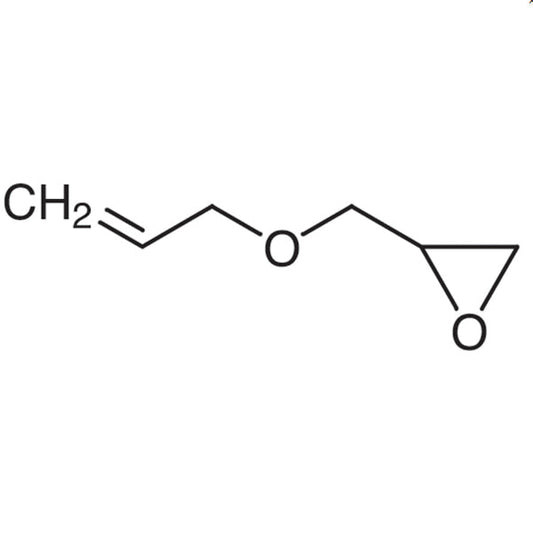
- TCI A0221 106-92-3 Allyl Glycidyl Ether
- TCI V0195 106-87-6 3-(Oxiran-2-yl)-7-oxabicyclo[410]heptane (mixture of isomers)
- TCI B4831 3101-60-8 4-tert-Butylphenyl Glycidyl Ether
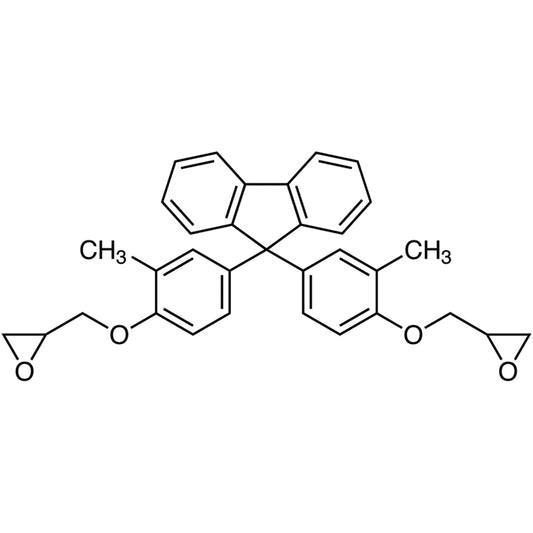
- TCI B4666 114205-89-9 9,9-Bis(4-glycidyloxy-3-methylphenyl)fluorene
- TCI B4269 47758-37-2 9,9-Bis(4-glycidyloxyphenyl)fluorene
- Organic synthesis of heterocyclic compounds due to its reactive epoxide ring and ability to form new bonds selectively.
- Ring-opening reactions where the compound acts as a versatile starting material for creating complex molecular structures.
- Substitution reactions in the development of pharmaceutical intermediates and specialty chemicals.
- Research in materials science for the creation of polymers and functional materials with specific chemical properties.
- Teaching and experimental use in academic laboratories for demonstrating chemical reactivity and synthetic techniques.
| Brand | TCI |
|---|---|
| CAS number | 7390-81-0 |
| Molecular formula | — |
| Purity | — |
| Category | Chemistry > Building Blocks > Heterocyclic Building Blocks |
| Pack sizes | Available in various sizes to suit different experimental needs |
| Physical form | Liquid |
| Storage | Store in a cool, dry place away from direct sunlight and incompatible materials |
1,2-Epoxyoctadecane should be stored in a cool, dry place, away from direct sunlight and sources of heat. It is recommended to keep the compound in a sealed container to prevent exposure to air and moisture. Due to its reactivity, it should be stored separately from strong acids, bases, and reactive metals. Appropriate personal protective equipment, such as gloves and safety goggles, should be worn when handling the compound. The compound is best stored in glass or polyethylene containers to ensure chemical stability. In laboratory settings, it is important to maintain proper ventilation and follow standard safety protocols to minimize potential risks.
—
Produk Terkait
-
1,2-Epoxyoctane TCI E0206
Regular price Rp 2.439.150,00Regular price -
AllylGlycidylEther TCI A0221
Regular price From Rp 477.750,00Regular price -
3-(Oxiran-2-yl)-7-oxabicyclo[410]heptane(mixtureofisomers) TCI V0195
Regular price From Rp 3.870.300,00Regular price -
4-tert-ButylphenylGlycidylEther TCI B4831
Regular price From Rp 2.279.550,00Regular price -
9,9-Bis(4-glycidyloxy-3-methylphenyl)fluorene TCI B4666
Regular price From Rp 2.518.950,00Regular price -
9,9-Bis(4-glycidyloxyphenyl)fluorene TCI B4269
Regular price From Rp 1.035.300,00Regular price -
BenzylGlycidylEther TCI B2108
Regular price From Rp 1.510.950,00Regular price -
tert-ButylGlycidylEther TCI B1840
Regular price Rp 1.220.100,00Regular price

![106-87-6 3-(Oxiran-2-yl)-7-oxabicyclo[4.1.0]heptane (mixture of isomers) - AMI Scientific](http://amiscientific.com/cdn/shop/files/TCI2510V0195.jpg?v=1767145750&width=533)