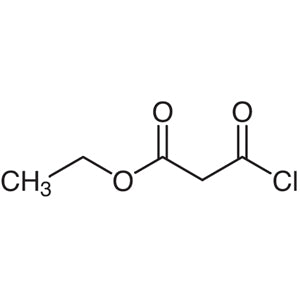
Ethyl Malonyl Chloride (TCI E0484), with the CAS number 36239-09-5, is a versatile chemical compound widely used in organic laboratory settings. As a building block in chemical synthesis, it plays a crucial role in the development of complex molecules through substitution and carbon-carbon bond-forming reactions. Its reactivity stems from the presence of a chlorocarbon group, making it an essential reagent for chemists seeking to modify molecular structures. This compound is particularly valued for its ability to participate in a variety of synthetic pathways, enabling the creation of aromatic and heterocyclic compounds.
The compound’s high reactivity and chemical simplicity make it a preferred choice in laboratory applications. Its ability to interact with multiple reagents allows for the synthesis of a wide range of derivatives, enhancing its utility in both academic and industrial research. Ethyl Malonyl Chloride is known for its effectiveness in catalytic processes and functional group transformations, offering chemists a reliable tool for their synthetic needs. Its chemical properties also support its use in advanced organic reactions, where precision and control are essential.
In Indonesian laboratories, Ethyl Malonyl Chloride is commonly used in organic chemistry research, particularly in higher education institutions and research centers. It is an integral part of chemical synthesis processes, supporting the development of new compounds and materials. Due to its reactivity and chemical properties, it is frequently employed in both teaching and research environments, contributing to the advancement of chemical knowledge in the region.
- Organic synthesis is a primary application where Ethyl Malonyl Chloride is used to create complex molecules through substitution and carbon-carbon bond formation.
- Aromatic compound synthesis benefits from this reagent’s ability to participate in electrophilic substitution reactions, aiding in the construction of aromatic ring structures.
- Heterocyclic compound development relies on its reactivity, allowing for the formation of nitrogen- or oxygen-containing ring systems in synthetic pathways.
- Functional group modification is facilitated by its chlorocarbon group, enabling the introduction of various functional groups into target molecules.
- Teaching and research in chemical laboratories use this compound to demonstrate reactivity and synthetic techniques in organic chemistry courses.
| Brand | TCI |
|---|---|
| CAS number | 36239-09-5 |
| Molecular formula | — |
| Purity | — |
| Category | Chemistry > Building Blocks > Non-Heterocyclic Building Blocks |
| Pack sizes | Available in various quantities as per supplier specifications |
| Physical form | Liquid |
| Storage | Requires storage in a cool, dry place away from moisture and light |
Ethyl Malonyl Chloride should be stored in a cool, dry environment, away from sources of moisture and direct sunlight. It is recommended to use airtight containers made of materials resistant to chemical corrosion, such as glass or polyethylene. Due to its corrosive and toxic nature, proper personal protective equipment, including gloves, goggles, and a lab coat, must be worn when handling the compound. Adequate ventilation is essential to minimize exposure to vapors. In laboratory settings, it should be kept in a fume hood or well-ventilated area to ensure safety. Regular monitoring of storage conditions is advised to maintain the compound’s integrity and ensure safe handling practices.
—
Produk Terkait
-
MethylMalonylChloride TCI M2315
Regular price From Rp 1.538.250,00Regular price -
MalonylChloride TCI M0882
Regular price From Rp 1.696.800,00Regular price -
Anthraquinone-2-carbonylChloride TCI A0503
Regular price From Rp 3.180.450,00Regular price -
AdipoylChloride TCI A0169
Regular price From Rp 1.220.100,00Regular price -
AcetylChloride TCI A0082
Regular price From Rp 795.900,00Regular price -
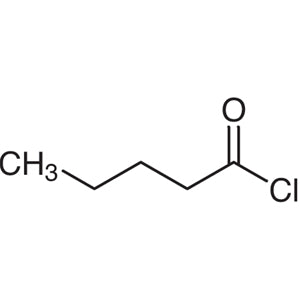
ValerylChloride TCI V0010
Regular price From Rp 955.500,00Regular price -
UndecanoylChloride TCI U0026
Regular price From Rp 1.538.250,00Regular price -
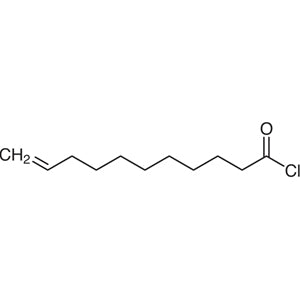
10-UndecenoylChloride TCI U0008
Regular price From Rp 1.353.450,00Regular price