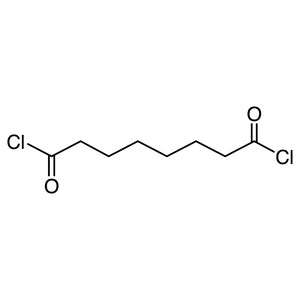
Malonyl Chloride (TCI M0882), with CAS number 1663-67-8, is a versatile chemical compound widely used in laboratory settings as a building block for organic synthesis. It plays a crucial role in various chemical reactions, particularly in the formation of carbon-carbon bonds and nucleophilic substitution reactions. This compound is essential for chemists and researchers who are involved in the development of new organic compounds, pharmaceuticals, and materials. Its reactivity and ability to participate in multiple reaction types make it a valuable tool in both academic and industrial research environments.
Malonyl Chloride is known for its high reactivity and ability to interact with a wide range of organic compounds, including alcohols, amines, and other functional groups. Its physical properties, such as a high density and clear liquid appearance, make it easy to handle and process in laboratory settings. These characteristics contribute to its popularity among scientists working in diverse fields, from organic chemistry to materials science. The compound’s reliability and consistent performance in various reaction conditions further enhance its appeal as a standard reagent in chemical laboratories.
In Indonesian laboratories, Malonyl Chloride is extensively used in organic chemistry, pharmaceutical research, and material development. Its role in synthesizing complex molecules and its compatibility with a variety of reaction conditions make it an essential component in many research projects. The compound is particularly favored for its ability to facilitate the creation of new compounds with specific structural features, which is critical in drug discovery and advanced material synthesis. Its widespread application across multiple scientific disciplines underscores its importance in modern laboratory practices.
TCI brochures (PDF)
- Lipids 2025-12-17 · p. 7
- Biomaterials Research Reagents 2025-02-19 · p. 20
- Monomers 2025-05-28 · p. 37
- Organic Synthesis: Malonyl Chloride is widely used in the synthesis of complex organic compounds due to its reactivity and ability to form carbon-carbon bonds.
- Pharmaceutical Research: It is a key reagent in the development of new drugs, especially in the synthesis of compounds with specific functional groups.
- Material Science: Malonyl Chloride is employed in the creation of new materials, such as polymers and coatings, due to its ability to participate in various chemical reactions.
- Nucleophilic Substitution Reactions: The compound is ideal for reactions where nucleophilic substitution is required, offering reliable results in controlled environments.
- Functional Group Modification: It is used to modify existing organic molecules by introducing or altering functional groups, making it a versatile tool in chemical research.
| Brand | TCI |
|---|---|
| CAS number | 1663-67-8 |
| Molecular formula | — |
| Purity | — |
| Category | Chemistry > Building Blocks > Non-Heterocyclic Building Blocks |
| Pack sizes | Available in various sizes as per standard laboratory requirements |
| Physical form | Clear liquid |
| Storage | Store in a cool, dry place away from light and moisture |
Malonyl Chloride should be stored in a cool, dry place, away from light and moisture to maintain its chemical integrity. It is recommended to use airtight containers made of glass or polyethylene to prevent contamination and evaporation. Due to its reactivity, it should be handled in a well-ventilated area and kept away from incompatible substances such as bases and reducing agents. Laboratory personnel should wear appropriate personal protective equipment, including gloves and safety goggles, when working with this compound. Proper labeling and storage conditions are essential to ensure the safety of both the compound and the laboratory environment.
—
Product Categories
- Polymer/Macromolecule ReagentsMonomersDicarboxylic Acid Chloride Monomers
- Biomaterials/Biocompatible Materials Research ReagentsMonomers and Macromonomers [Biomaterials/Biocompatible Materials Research Reagents]Dicarboxylic Acid Chloride Monomers [Biomaterials/Biocompatible Materials Research Reagents]
Produk Terkait
-
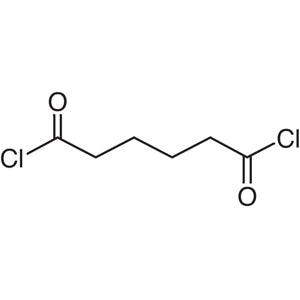
AdipoylChloride TCI A0169
Regular price From Rp 1.272.600,00Regular priceRp 905.100,00Sale price From Rp 1.272.600,00 -
AzelaoylChloride TCI A0562
Regular price Rp 2.464.350,00Regular priceRp 1.738.800,00Sale price Rp 2.464.350,00 -
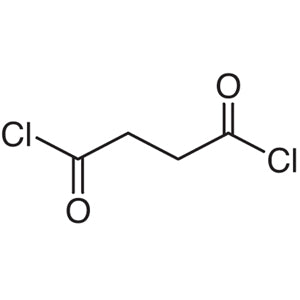
SuccinylChloride TCI S0110
Regular price From Rp 1.220.100,00Regular priceRp 868.350,00Sale price From Rp 1.220.100,00 -
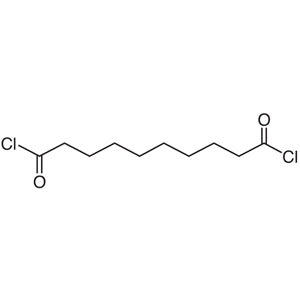
SebacoylChloride TCI S0030
Regular price From Rp 1.298.850,00Regular priceRp 924.000,00Sale price From Rp 1.298.850,00 -
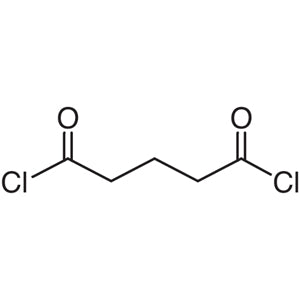
GlutarylChloride TCI G0202
Regular price Rp 2.889.600,00Regular priceRp 2.035.950,00Sale price Rp 2.889.600,00 -
TerephthaloylChloride TCI T0017
Regular price From Rp 505.050,00Regular priceRp 352.800,00Sale price From Rp 505.050,00 -
SuberoylChloride TCI S0420
Regular price Rp 3.658.200,00Regular priceRp 2.573.550,00Sale price Rp 3.658.200,00 -
PhthaloylChloride TCI P0405
Regular price From Rp 769.650,00Regular priceRp 537.600,00Sale price From Rp 769.650,00