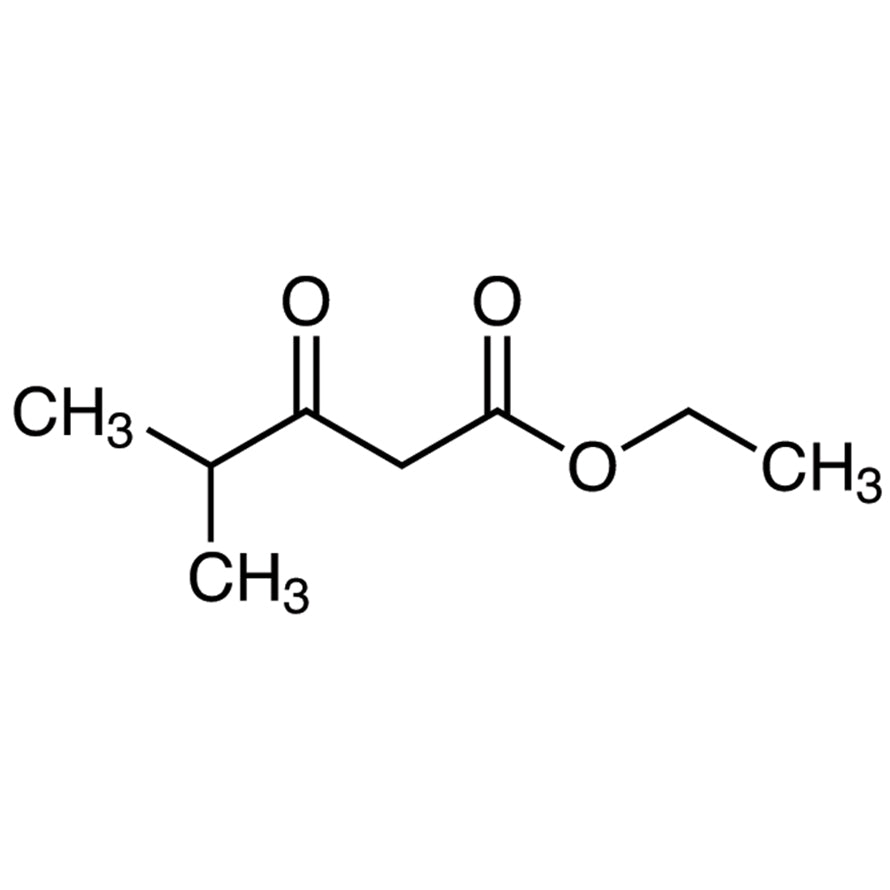
Ethyl Isobutyrylacetate from TCI, catalog code E0882, is a beta-ketoester bearing an isopropyl group on the ketone side, and it belongs to the family of non-heterocyclic building blocks. The compound features an active methylene group flanked between a ketone group and an ester group, a classic arrangement that makes it one of the most versatile reagents in synthetic organic chemistry. In the laboratory, this material serves as a primary starting material for constructing heterocyclic rings such as pyrazoles, pyrimidines, isoxazoles, and pyridinones, while also functioning as a dependable reagent for alkylation, acylation, Knoevenagel condensation, and multicomponent condensation reactions.
The characteristic that makes this compound so widely chosen is the acidity of its active methylene protons, which allows enolate formation to proceed easily with relatively mild bases such as sodium ethoxide or potassium carbonate. Once the enolate has been generated, the reagent can attack a broad range of electrophiles with good selectivity. The isopropyl group on the ketone side contributes its own added value because it installs a branched substituent directly into the final product, something frequently desired in the design of active molecules in order to tune steric properties and lipophilicity.
In Indonesian laboratories, this reagent typically appears in synthetic organic chemistry work at universities and research institutes, in heterocyclic ring construction projects, and in exploratory syntheses of active molecule candidates. Because a single beta-ketoester supports so many different reaction types, it is a practical item to keep on the shelf: research groups running alkylation, condensation, and cyclization experiments can draw on the same bottle across multiple projects rather than stocking a separate reagent for each transformation.
- Heterocyclic ring synthesis — the active methylene flanked by ketone and ester groups provides the two reactive carbons needed to close pyrazole, pyrimidine, isoxazole, and pyridinone rings in condensation with bifunctional partners.
- Alkylation reactions — the acidic methylene protons are removed easily by mild bases such as sodium ethoxide or potassium carbonate, and the resulting enolate attacks alkyl electrophiles with good selectivity.
- Acylation reactions — the same readily generated enolate serves as the nucleophilic partner toward acylating agents, allowing an additional carbonyl unit to be introduced adjacent to the existing beta-ketoester framework.
- Knoevenagel condensation — the active methylene position condenses with carbonyl electrophiles under mild basic conditions, making this ester a conventional and reliable substrate for carbon–carbon bond formation.
- Multicomponent condensation — the compound carries two differentiated carbonyl groups plus a nucleophilic methylene, so it can engage several reaction partners in one pot to assemble more complex frameworks efficiently.
| Brand | TCI (Tokyo Chemical Industry) |
|---|---|
| CAS number | 7152-15-0 |
| Molecular formula | — |
| Purity | — |
| Category | Chemistry > Building Blocks > Non-Heterocyclic Building Blocks |
| Pack sizes | available in laboratory-scale packaging; please refer to the packaging options listed on this product page |
| Physical form | — |
| Storage | keep in a tightly closed container in a cool, dry, well-ventilated place, following the storage conditions stated on the manufacturer's label and Safety Data Sheet |
- Catalog code: E0882
- Chemical name: Ethyl Isobutyrylacetate
Store the container tightly closed in a cool, dry, and well-ventilated area, away from heat sources, open flame, and direct sunlight, and separated from strong bases and strong oxidizing agents. Retain the material in its original manufacturer container whenever possible; if transfer is necessary, use clean, dry, chemically compatible glassware with a secure closure and label it clearly. Handle the compound inside a fume hood, wearing safety goggles, gloves, and a laboratory coat, and avoid inhaling vapors or allowing contact with skin and eyes. Keep the container closed when not in use to limit moisture uptake, and always consult the manufacturer's Safety Data Sheet for the specific storage conditions, incompatibilities, and spill response procedures applicable to this product.
—
Produk Terkait
-
MethylIsobutyrylacetate TCI I0592
Regular price Rp 1.298.850,00Regular price -
IsobutyrylChloride TCI I0115
Regular price From Rp 769.650,00Regular price -
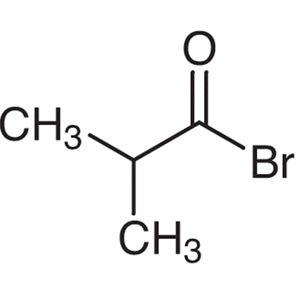
IsobutyrylBromide TCI I0114
Regular price From Rp 1.803.900,00Regular price -
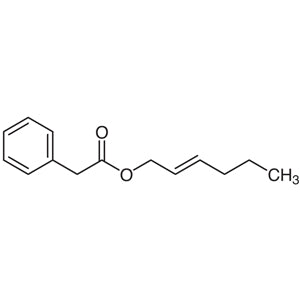
trans-2-Hexen-1-ylPhenylacetate TCI P1045
Regular price Rp 1.298.850,00Regular price -
MethylPhenylacetate TCI P0125
Regular price From Rp 505.050,00Regular price -
IsobutylPhenylacetate TCI P0124
Regular price Rp 477.750,00Regular price -
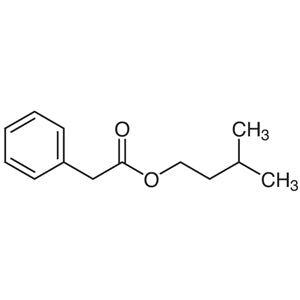
IsoamylPhenylacetate TCI P0123
Regular price Rp 2.809.800,00Regular price -
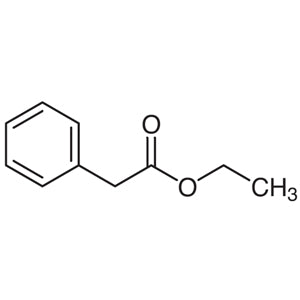
EthylPhenylacetate TCI P0122
Regular price From Rp 505.050,00Regular price