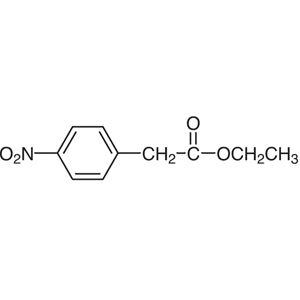
Methyl Phenylacetate is the methyl ester of phenylacetic acid. It is a liquid with a strong, sweet, honey-like odour. It is the phenylacetate ester with the smallest alkoxy group, and it is one of the most widely used non-heterocyclic building blocks in organic synthesis. In the laboratory, Methyl Phenylacetate is a starting material for preparing a wide range of phenylacetyl derivatives. It is also a model compound in enolate reaction studies and a reference material in aroma and flavour research. This TCI product, P0125, is supplied by AMI Scientific for synthesis and research work.
Chemists choose Methyl Phenylacetate because its methyl ester group is small. Steric hindrance is minimal, so reactions at the carbonyl group and at the alpha carbon proceed efficiently. The alpha hydrogens are acidic enough to form enolates, which makes alkylation, aldol and condensation reactions possible. The methyl ester group can also be readily converted into the corresponding acid, alcohol, amide or hydrazide, so one compound can lead to many target structures. Its compact structure gives a simple NMR spectrum, which makes reaction monitoring and product identification easier for researchers.
In Indonesia, Methyl Phenylacetate is well suited to synthesis laboratories at universities, research institutes and pharmaceutical companies that need a dependable phenylacetyl intermediate. University teaching and research groups can use it to demonstrate enolate chemistry and ester transformations. Research institutes can use it to build compound libraries. Pharmaceutical and fine chemical laboratories can use it as an intermediate in route development. Flavour and fragrance laboratories may also use it as a reference material when studying sweet, honey-like aroma profiles.
- Synthesis of phenylacetyl derivatives: the reactive methyl ester can be converted into acids, alcohols, amides or hydrazides, making this compound a versatile starting point for many target molecules.
- Enolate reaction studies: its sufficiently acidic alpha hydrogens and low steric hindrance make it a convenient model compound for studying enolate formation and reactivity under controlled conditions.
- Alkylation, aldol and condensation reactions: its reactive alpha carbon allows efficient carbon–carbon bond formation, which suits methodology development and multistep synthesis in research laboratories.
- Reaction monitoring and teaching: its compact structure gives a simple NMR spectrum, so students and researchers can follow conversions and identify products more easily.
- Aroma and flavour research: its strong, sweet, honey-like odour makes it a useful reference material for laboratories that characterise and compare aroma compounds.
| Brand | TCI (product code P0125) |
|---|---|
| CAS number | 101-41-7 |
| Molecular formula | — |
| Purity | — |
| Category | Chemistry > Building Blocks > Non-Heterocyclic Building Blocks |
| Pack sizes | available in the pack sizes offered by TCI; please ask AMI Scientific for current options |
| Physical form | liquid with a strong, sweet, honey-like odour |
| Storage | keep tightly closed in a cool, dry, well-ventilated place, following the manufacturer's label and Safety Data Sheet |
Store Methyl Phenylacetate in its original, tightly sealed container in a cool, dry, well-ventilated area, away from heat, ignition sources, direct sunlight and strong oxidising agents. Keep the container closed when not in use to protect product quality and limit odour release. Handle it in a fume hood or a well-ventilated workspace. Wear suitable gloves, safety glasses and a laboratory coat, and avoid contact with the skin and eyes. Follow the TCI Safety Data Sheet for full hazard information, first-aid measures and disposal requirements. Dispose of waste in line with local regulations.
—
Produk Terkait
-
Phenacyl4-(Bromomethyl)phenylacetate TCI B1315
Regular price From Rp 1.140.300,00Regular price -
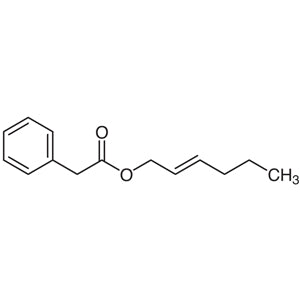
trans-2-Hexen-1-ylPhenylacetate TCI P1045
Regular price Rp 1.298.850,00Regular price -
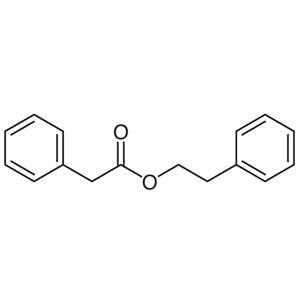
2-PhenylethylPhenylacetate TCI P0126
Regular price Rp 477.750,00Regular price -
IsobutylPhenylacetate TCI P0124
Regular price Rp 477.750,00Regular price -
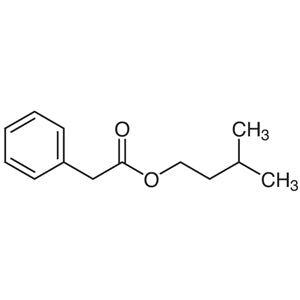
IsoamylPhenylacetate TCI P0123
Regular price Rp 2.809.800,00Regular price -
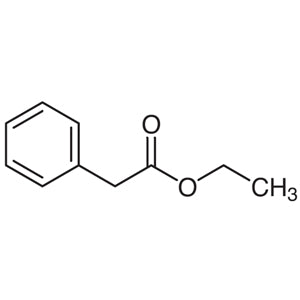
EthylPhenylacetate TCI P0122
Regular price From Rp 505.050,00Regular price -
BenzylPhenylacetate TCI P0121
Regular price Rp 769.650,00Regular price -
Ethyl4-Nitrophenylacetate TCI N0228
Regular price From Rp 769.650,00Regular price