TCI B1315 66270-97-1 Phenacyl 4-(Bromomethyl)phenylacetate is a chemical compound widely used in organic laboratory reactions. This versatile building block plays a crucial role in the synthesis of complex molecules by providing a stable and reactive platform for further chemical modifications. Its presence in the Non-Heterocyclic Building Blocks category highlights its importance in creating foundational structures for more advanced chemical compounds. This compound is particularly valuable for researchers aiming to develop new pharmaceuticals or materials through controlled chemical transformations.
The compound’s chemical stability and reactivity make it a preferred choice for various synthetic applications. Its molecular structure, featuring a bromomethyl group and a phenacyl group, allows it to participate in multiple reaction mechanisms such as SN2, SN1, and cross-coupling reactions. These properties enable it to be a reliable reagent in both academic and industrial research settings. Its ability to undergo substitution and electrophilic reactions makes it an essential tool for chemists working on functional group transformations.
In Indonesian laboratories, this compound is commonly used in organic chemistry research, especially in the development of heterocyclic compounds and cyclic structures. Its availability and chemical versatility make it a go-to reagent for researchers in both academic and applied settings. Its role in facilitating the synthesis of complex molecules supports advancements in pharmaceutical and material sciences within the region.
- Organic synthesis of heterocyclic compounds due to its reactive bromomethyl group and phenacyl structure.
- Preparation of cyclic molecules through functional group transformations and cross-coupling reactions.
- Development of pharmaceutical intermediates by enabling controlled chemical modifications in synthetic pathways.
- Research in material sciences for the creation of new polymers and organic materials through structural building blocks.
- Support for academic research in chemical synthesis, particularly in laboratories focused on drug discovery and molecular design.
| Brand | TCI |
|---|---|
| CAS number | 66270-97-1 |
| Molecular formula | — |
| Purity | — |
| Category | Chemistry > Building Blocks > Non-Heterocyclic Building Blocks |
| Pack sizes | Available in standard laboratory quantities as per supplier specifications |
| Physical form | Solid or liquid depending on the specific formulation |
| Storage | Store in a cool, dry place away from direct sunlight and incompatible substances |
This compound should be stored in a cool, dry environment to maintain its chemical stability. It is recommended to keep it in a tightly sealed container to prevent exposure to moisture and air. Suitable storage containers include glass or high-density polyethylene vessels that are resistant to chemical degradation. Avoid storing near reactive materials such as strong bases or oxidizing agents. Always ensure proper ventilation when handling the compound to minimize inhalation risks. Keep the material away from heat sources and direct sunlight to prevent decomposition. Regularly check the container integrity to ensure no leaks or contamination occur.
—
Produk Terkait
-
PhenacylBromide TCI B0535
Regular price From Rp 1.696.800,00Regular priceRp 1.202.250,00Sale price From Rp 1.696.800,00 -
2-(Bromomethyl)acrylicAcid TCI B4048
Regular price From Rp 3.870.300,00Regular priceRp 2.721.600,00Sale price From Rp 3.870.300,00 -
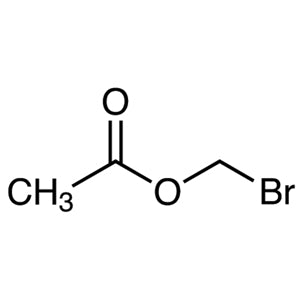
BromomethylAcetate TCI B3907
Regular price From Rp 2.227.050,00Regular priceRp 1.557.150,00Sale price From Rp 2.227.050,00 -
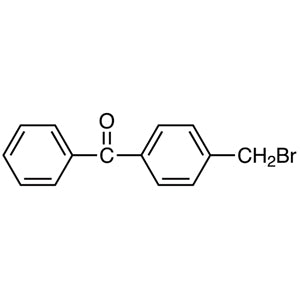
4-(Bromomethyl)benzophenone TCI B3840
Regular price Rp 5.855.850,00Regular priceRp 4.110.750,00Sale price Rp 5.855.850,00 -
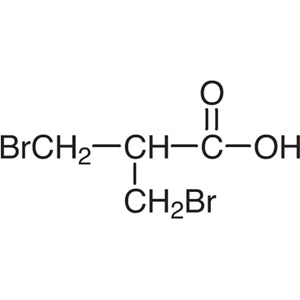
3-Bromo-2-(bromomethyl)propionicAcid TCI B3081
Regular price From Rp 1.563.450,00Regular priceRp 1.108.800,00Sale price From Rp 1.563.450,00 -
Methyl3-(Bromomethyl)benzoate TCI B2224
Regular price From Rp 1.908.900,00Regular priceRp 1.350.300,00Sale price From Rp 1.908.900,00 -
2-[4-(Bromomethyl)phenyl]propionicAcid TCI B2101
Regular price From Rp 557.550,00Regular priceRp 405.300,00Sale price From Rp 557.550,00 -
Methyl4-(Bromomethyl)benzoate TCI B2053
Regular price From Rp 1.405.950,00Regular priceRp 998.550,00Sale price From Rp 1.405.950,00