2-(Bromomethyl)acrylic Acid is a chemical compound widely used in organic chemistry for the synthesis of complex organic molecules. As a fundamental building block, it plays a crucial role in various laboratory applications, particularly in the development of new compounds with specific properties. This compound is commonly utilized in the production of heterocyclic compounds and polymers, as well as in substitution and addition reactions. Its versatility makes it an essential reagent for researchers working in synthetic chemistry and material science.
The compound’s molecular structure enables high reactivity, especially at the bromomethyl group, which can participate in nucleophilic and electrophilic reactions. This reactivity makes it a preferred choice for chemists aiming to create more complex molecular structures. The presence of both bromine and acrylic functionalities enhances its utility in a wide range of chemical transformations, making it a valuable tool in both academic and industrial research settings.
In Indonesian laboratories, 2-(Bromomethyl)acrylic Acid is frequently used in organic chemistry research, particularly in the development of new compounds and materials. It is also found in pharmaceutical and environmental chemistry projects, where its reactivity and structural versatility support the synthesis of compounds with specific functional properties. Its role in advancing chemical research is well recognized among scientists in the region.
Advantages (TCI brochure)
- Can be utilized for the synthesis of 2-chloromethylacrylate derivatives
- 2-Chloromethylacrylate derivatives enable selective modification of disulfide bonds with high labelling efficiency and stability
TCI brochures (PDF)
- Protein Site-specific Modification-related Reagents 2025-10-21 · p. 2
Related TCI products
- Organic synthesis of heterocyclic compounds due to its reactive bromomethyl group and acrylic functionality.
- Polymer production where functional groups can be introduced for specific material properties.
- Pharmaceutical research for the development of new drug molecules through substitution and addition reactions.
- Environmental chemistry applications in the synthesis of compounds for pollution control and remediation.
- Material science projects requiring the creation of complex structures with tailored chemical properties.
From the TCI brochure
- Synthesis of 2-chloromethylacrylate derivatives
- Selective modification of disulfide bonds
| Brand | TCI |
|---|---|
| CAS number | 72707-66-5 |
| Molecular formula | — |
| Purity | — |
| Category | Chemistry > Building Blocks > Non-Heterocyclic Building Blocks |
| Pack sizes | Available in various quantities as per supplier specifications |
| Physical form | Liquid |
| Storage | Store in a cool, dry place away from light and incompatible materials |
This compound should be stored in a cool, dry place, away from direct light and incompatible substances such as strong oxidizers. It is recommended to use airtight containers made of materials resistant to chemical corrosion, such as glass or high-density polyethylene. Due to its reactivity, it should be handled in a well-ventilated area, preferably under a fume hood, to minimize exposure. Proper personal protective equipment, including gloves, goggles, and lab coats, should be worn at all times. Avoid contact with skin and eyes, and ensure that spillage is promptly cleaned up using appropriate safety measures.
References cited in the TCI brochure
- Lujuan Xu. Chemoselective cysteine or disulfide modification via single atom substitution in chloromethyl acryl reagents Chemical Science, 2021. doi:10.1039/d1sc03250j
Produk Terkait
-
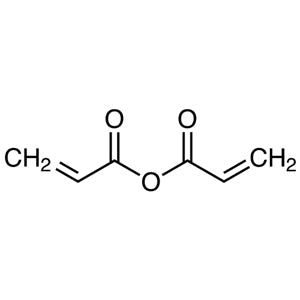
AcrylicAnhydride(stabilizedwithMEHQ) TCI A3243
Regular price From Rp 1.192.800,00Regular priceRp 849.450,00Sale price From Rp 1.192.800,00 -
3-(1-Naphthyl)acrylicAcid TCI N0972
Regular price Rp 3.260.250,00Regular priceRp 2.295.300,00Sale price Rp 3.260.250,00 -
(E)-3-(o-Tolyl)acrylicAcid TCI M3421
Regular price From Rp 1.590.750,00Regular priceRp 1.127.700,00Sale price From Rp 1.590.750,00 -
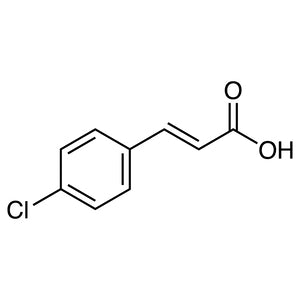
(E)-3-(4-Chlorophenyl)acrylicAcid TCI C3785
Regular price Rp 1.563.450,00Regular priceRp 1.108.800,00Sale price Rp 1.563.450,00 -
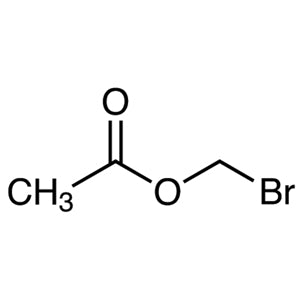
BromomethylAcetate TCI B3907
Regular price From Rp 2.227.050,00Regular priceRp 1.557.150,00Sale price From Rp 2.227.050,00 -
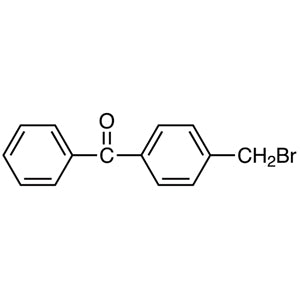
4-(Bromomethyl)benzophenone TCI B3840
Regular price Rp 5.855.850,00Regular priceRp 4.110.750,00Sale price Rp 5.855.850,00 -
Methyl3-(Bromomethyl)benzoate TCI B2224
Regular price From Rp 1.908.900,00Regular priceRp 1.350.300,00Sale price From Rp 1.908.900,00