3-Bromo-2-(bromomethyl)propionic Acid is a versatile organic compound widely used in laboratory settings for its reactivity and utility in synthetic chemistry. This compound serves as a key building block in the synthesis of complex molecules, particularly in the development of pharmaceuticals and advanced chemical structures. Its unique molecular structure, featuring two bromo groups attached to a propionic acid backbone, makes it an essential reagent in various organic transformations. Due to its chemical reactivity, it is commonly employed in substitution reactions, coupling reactions, and the formation of heterocyclic compounds.
The compound's reactivity stems from the presence of two bromo substituents, which can act as electrophilic groups in a variety of synthetic pathways. These properties make it highly sought after in both academic and industrial research. Its solubility in organic solvents and relatively high melting point contribute to its stability and ease of handling in laboratory conditions. These characteristics ensure that it remains a reliable and efficient reagent for chemists working on complex molecular syntheses.
In Indonesian laboratories, this compound plays a crucial role in chemical and pharmaceutical research. It is frequently used in academic institutions and research centers to develop new compounds, including potential drug candidates. Its availability and chemical properties make it a valuable resource for scientists aiming to advance their research in organic chemistry and medicinal chemistry.
Related TCI products
- TCI B2101 111128-12-2 2-[4-(Bromomethyl)phenyl]propionic Acid
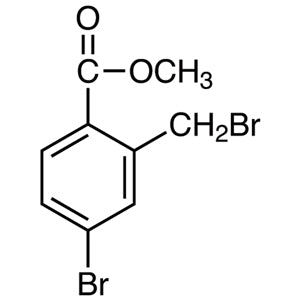
- TCI M2941 78471-43-9 Methyl 4-Bromo-2-(bromomethyl)benzoate
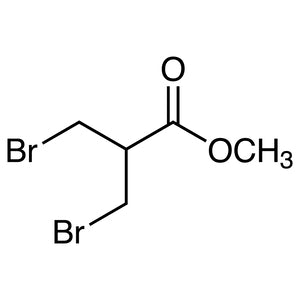
- TCI M2066 22262-60-8 Methyl 3-Bromo-2-(bromomethyl)propionate
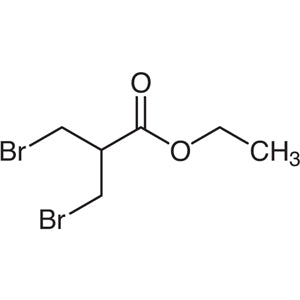
- TCI E0791 58539-11-0 Ethyl 3-Bromo-2-(bromomethyl)propionate
- TCI B4048 72707-66-5 2-(Bromomethyl)acrylic Acid
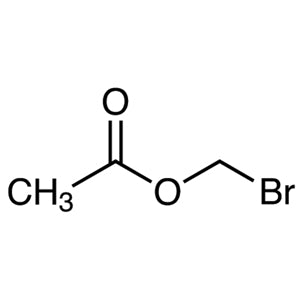
- TCI B3907 590-97-6 Bromomethyl Acetate
- Organic synthesis applications benefit from this compound's reactivity, making it ideal for substitution and coupling reactions in complex molecule development.
- Pharmaceutical research utilizes its structural versatility to synthesize new drug candidates and bioactive compounds.
- Heterocyclic compound formation relies on its bromo groups for efficient ring construction in synthetic pathways.
- Academic research in chemistry uses it as a fundamental building block for teaching and experimental studies.
- Industrial chemical processes incorporate it for the production of specialty chemicals and functional materials.
| Brand | TCI |
|---|---|
| CAS number | 41459-42-1 |
| Molecular formula | — |
| Purity | — |
| Category | Chemistry > Building Blocks > Non-Heterocyclic Building Blocks |
| Pack sizes | Available in various quantities as per standard laboratory supply |
| Physical form | Solid, crystalline or powder, depending on the batch |
| Storage | Store in a cool, dry place away from light and moisture |
This compound should be stored in a cool, dry environment, away from direct light and moisture to maintain its chemical integrity. It is recommended to use airtight containers made of materials such as glass or high-density polyethylene to prevent contamination and degradation. Due to its reactivity, it should be handled with care, using appropriate personal protective equipment like gloves and goggles. It is important to ensure proper ventilation in the laboratory to avoid exposure to vapors. Avoid contact with incompatible substances such as strong bases or reducing agents. Always follow standard laboratory safety protocols when working with reactive chemicals.
—
Produk Terkait
-
2-[4-(Bromomethyl)phenyl]propionicAcid TCI B2101
Regular price From Rp 557.550,00Regular priceRp 405.300,00Sale price From Rp 557.550,00 -
Methyl4-Bromo-2-(bromomethyl)benzoate TCI M2941
Regular price From Rp 1.060.500,00Regular priceRp 757.050,00Sale price From Rp 1.060.500,00 -
Methyl3-Bromo-2-(bromomethyl)propionate TCI M2066
Regular price From Rp 3.445.050,00Regular priceRp 2.424.450,00Sale price From Rp 3.445.050,00 -
Ethyl3-Bromo-2-(bromomethyl)propionate TCI E0791
Regular price From Rp 3.180.450,00Regular priceRp 2.239.650,00Sale price From Rp 3.180.450,00 -
2-(Bromomethyl)acrylicAcid TCI B4048
Regular price From Rp 3.870.300,00Regular priceRp 2.721.600,00Sale price From Rp 3.870.300,00 -
BromomethylAcetate TCI B3907
Regular price From Rp 2.227.050,00Regular priceRp 1.557.150,00Sale price From Rp 2.227.050,00 -
4-(Bromomethyl)benzophenone TCI B3840
Regular price Rp 5.855.850,00Regular priceRp 4.110.750,00Sale price Rp 5.855.850,00 -
Methyl3-(Bromomethyl)benzoate TCI B2224
Regular price From Rp 1.908.900,00Regular priceRp 1.350.300,00Sale price From Rp 1.908.900,00