Isoamyl Phenylacetate (102-19-2) is a chemical compound widely used in laboratory settings as a building block for various chemical reactions and molecular synthesis. It serves as a versatile reagent in organic chemistry, contributing to the development of complex compounds and functional materials. Its role in the laboratory extends beyond synthesis, as it is also employed as a solvent in specific chemical processes due to its non-polar nature. This compound is commonly found in research environments where precision and reliability are critical.
One of the key reasons for its popularity is its chemical stability and resistance to degradation under normal conditions. It exhibits good solubility in organic solvents such as ethyl acetate and chloroform, making it a preferred choice for many synthetic procedures. Additionally, its distinct aroma aids in identification and application in fragrance-related research. These properties make it a reliable and efficient material for both academic and industrial research.
In Indonesian laboratories, Isoamyl Phenylacetate is extensively used in organic chemistry research, cosmetic formulation development, and the production of industrial chemical intermediates. Its availability and consistent performance make it a go-to compound for researchers and manufacturers. The compound’s clear aroma also facilitates its use in sensory testing and product development for the food and fragrance industries.
- Organic synthesis applications benefit from its stability and solubility in organic solvents, enabling efficient reaction conditions.
- Cosmetic formulation development utilizes its aromatic properties for creating fragrances and flavoring agents in personal care products.
- Industrial chemical production relies on its role as a building block for synthesizing complex organic compounds and intermediates.
- Research in fragrance and flavor science uses its distinct aroma for sensory analysis and product development in food and cosmetic industries.
- Laboratory testing for sensory evaluation leverages its clear aroma to assess and develop new fragrance compounds and flavor profiles.
| Brand | TCI |
|---|---|
| CAS number | 102-19-2 |
| Molecular formula | — |
| Purity | — |
| Category | Chemistry > Building Blocks > Non-Heterocyclic Building Blocks |
| Pack sizes | — |
| Physical form | Liquid |
| Storage | Store in a cool, dry place away from direct sunlight |
Isoamyl Phenylacetate should be stored in a cool, dry place, away from direct sunlight and sources of heat. It is recommended to use sealed containers made of glass or high-density polyethylene to prevent evaporation and contamination. Due to its non-polar nature, it is important to handle it with proper ventilation to avoid inhalation of vapors. In laboratory settings, it should be kept in a well-ventilated area and away from incompatible materials such as strong oxidizing agents. Always wear appropriate personal protective equipment, including gloves and safety goggles, when handling this compound to ensure safety and compliance with standard laboratory protocols.
—
Produk Terkait
-
Phenacyl4-(Bromomethyl)phenylacetate TCI B1315
Regular price From Rp 1.192.800,00Regular priceRp 849.450,00Sale price From Rp 1.192.800,00 -
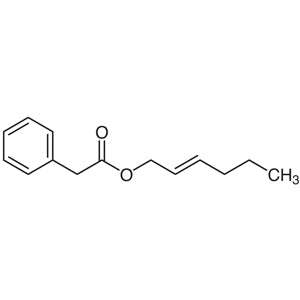
trans-2-Hexen-1-ylPhenylacetate TCI P1045
Regular price Rp 1.351.350,00Regular priceRp 960.750,00Sale price Rp 1.351.350,00 -
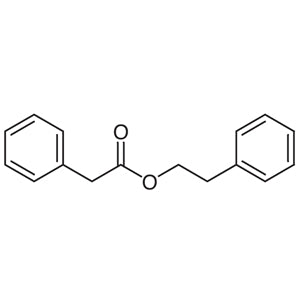
2-PhenylethylPhenylacetate TCI P0126
Regular price Rp 530.250,00Regular priceRp 386.400,00Sale price Rp 530.250,00 -
MethylPhenylacetate TCI P0125
Regular price From Rp 557.550,00Regular priceRp 405.300,00Sale price From Rp 557.550,00 -
IsobutylPhenylacetate TCI P0124
Regular price Rp 530.250,00Regular priceRp 386.400,00Sale price Rp 530.250,00 -
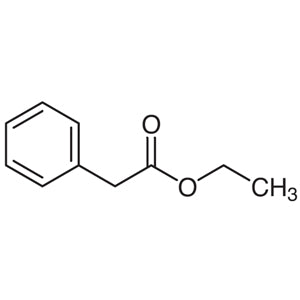
EthylPhenylacetate TCI P0122
Regular price From Rp 557.550,00Regular priceRp 405.300,00Sale price From Rp 557.550,00 -
BenzylPhenylacetate TCI P0121
Regular price Rp 822.150,00Regular priceRp 590.100,00Sale price Rp 822.150,00 -
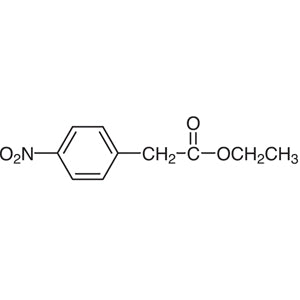
Ethyl4-Nitrophenylacetate TCI N0228
Regular price From Rp 822.150,00Regular priceRp 590.100,00Sale price From Rp 822.150,00