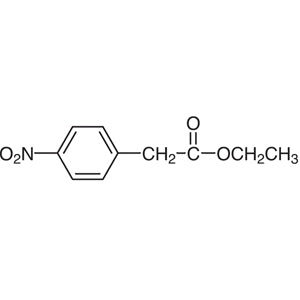
Ethyl 4-Nitrophenylacetate is a chemical compound widely used in organic reactions, particularly in the synthesis of aromatic compounds and their derivatives. As a key building block in chemical research, it plays a crucial role in laboratories where organic synthesis and functional group transformations are conducted. This compound is commonly used as a reagent in substitution reactions and esterification processes, making it an essential component in the development of new chemical entities. Its versatility and reactivity make it a valuable tool for chemists working in various fields, including pharmaceuticals, materials science, and industrial chemistry.
The compound's reactive nature and ability to participate in a wide range of chemical reactions make it a preferred choice for laboratory applications. Its stable molecular structure allows for predictable chemical behavior, which is essential for reproducible experimental results. Additionally, Ethyl 4-Nitrophenylacetate is relatively non-toxic compared to other chemical compounds, which enhances its safety profile in controlled laboratory environments. These properties contribute to its widespread use in both research and educational settings, supporting the advancement of chemical knowledge and innovation.
In Indonesian laboratories, Ethyl 4-Nitrophenylacetate is commonly used in organic chemistry research, particularly in studies involving substitution reactions and the synthesis of aromatic compounds. It is also utilized in university-level chemistry education to introduce students to the principles of organic reactions and functional group chemistry. Its availability and reliability make it a standard reagent in both academic and industrial chemical laboratories across Indonesia.
Related TCI products
- Organic synthesis is a key application where Ethyl 4-Nitrophenylacetate is used to create complex aromatic compounds through substitution reactions.
- Esterification reactions benefit from this compound's ability to act as an esterifying agent, facilitating the formation of ester derivatives.
- Pharmaceutical research utilizes this compound in the development of new drug molecules due to its reactivity and structural versatility.
- Material science applications involve the synthesis of polymers and functional materials using this compound as a building block.
- Educational laboratories use it to teach fundamental organic chemistry concepts, including reaction mechanisms and functional group transformations.
| Brand | TCI |
|---|---|
| CAS number | 5445-26-1 |
| Molecular formula | — |
| Purity | — |
| Category | Chemistry > Building Blocks > Non-Heterocyclic Building Blocks |
| Pack sizes | Available in standard laboratory quantities as per supplier specifications |
| Physical form | Liquid or solid, depending on supplier packaging |
| Storage | Store in a cool, dry place away from direct sunlight and incompatible materials |
Ethyl 4-Nitrophenylacetate should be stored in a cool, dry environment to maintain its chemical stability. It is recommended to use airtight containers made of glass or high-density polyethylene to prevent contamination and evaporation. Proper labeling of containers is essential for safe handling and identification. Due to its reactivity, it should be kept away from strong oxidizing agents and incompatible substances. Regular inspection of storage conditions ensures the compound remains safe and effective for use in laboratory settings. Always follow standard safety protocols when handling chemical reagents to minimize risks and ensure a controlled laboratory environment.
—
Produk Terkait
-
Methyl3-Nitrophenylacetate TCI M2522
Regular price Rp 4.373.250,00Regular price -
Phenacyl4-(Bromomethyl)phenylacetate TCI B1315
Regular price From Rp 1.140.300,00Regular price -
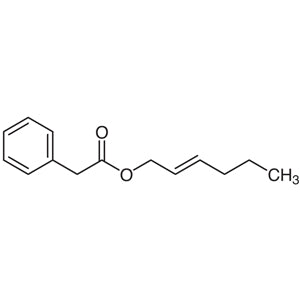
trans-2-Hexen-1-ylPhenylacetate TCI P1045
Regular price Rp 1.298.850,00Regular price -
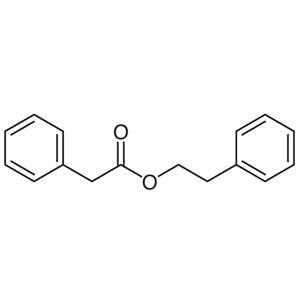
2-PhenylethylPhenylacetate TCI P0126
Regular price Rp 477.750,00Regular price -
MethylPhenylacetate TCI P0125
Regular price From Rp 505.050,00Regular price -
IsobutylPhenylacetate TCI P0124
Regular price Rp 477.750,00Regular price -
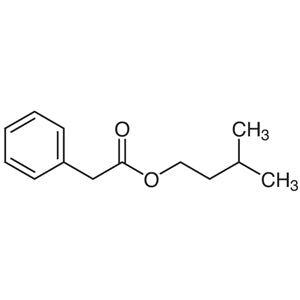
IsoamylPhenylacetate TCI P0123
Regular price Rp 2.809.800,00Regular price -
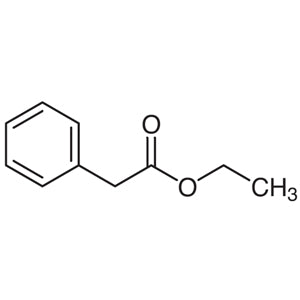
EthylPhenylacetate TCI P0122
Regular price From Rp 505.050,00Regular price