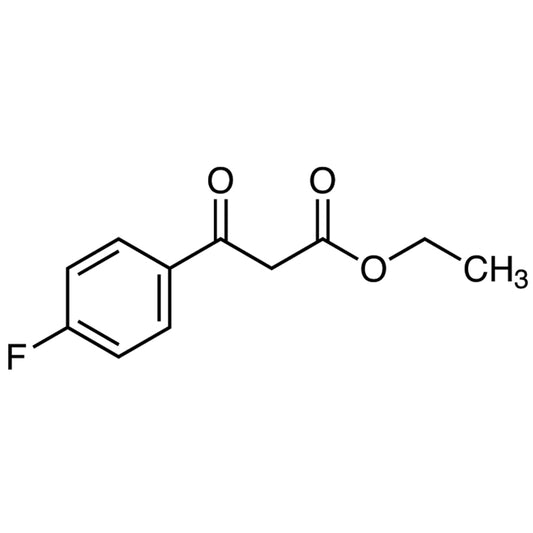
Ethyl (2-Fluorobenzoyl)acetate is a chemical compound widely used in organic synthesis reactions within laboratory settings. As a fluorinated building block, it plays a crucial role in constructing complex molecular structures. Its unique chemical properties make it an essential reagent for researchers aiming to develop compounds with fluorinated substitutions. This compound is particularly valued in the fields of pharmaceutical and organic chemistry due to its ability to participate in a variety of synthetic pathways.
The compound's stability and controlled reactivity make it a preferred choice for synthetic chemists. Its solubility in organic solvents facilitates easy mixing and reaction processes, enhancing the efficiency of laboratory procedures. The presence of fluorine atoms in its molecular structure contributes to both its reactivity and stability, offering versatility in chemical transformations. These characteristics make it an ideal candidate for substitution reactions and other chemically demanding processes.
In Indonesian laboratories, Ethyl (2-Fluorobenzoyl)acetate is commonly used in chemical and pharmaceutical research. Local researchers appreciate its role in complex synthesis reactions, particularly in the development of new compounds with medical or industrial applications. Its availability and reliability make it a valuable resource for advancing scientific research in the region.
TCI brochures (PDF)
- Fluorination Reagents, Fluorinated Building Blocks 2026-03-18 · p. 10
Related TCI products
- TCI F0472 63131-29-3 Methyl (4-Fluorobenzoyl)acetate
- TCI F0435 1999-00-4 Ethyl (4-Fluorobenzoyl)acetate
- TCI T1868 157373-08-5 2,3,4-Trifluorobenzoyl Chloride
- TCI T1855 94695-48-4 2,3,4,5-Tetrafluorobenzoyl Chloride
- TCI T1653 88419-56-1 2,4,5-Trifluorobenzoyl Chloride
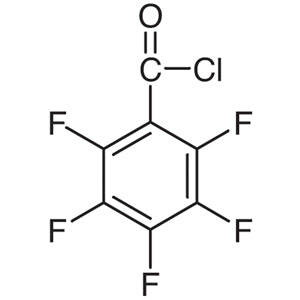
- TCI P0807 2251-50-5 Pentafluorobenzoyl Chloride
- Organic synthesis reactions benefit from Ethyl (2-Fluorobenzoyl)acetate due to its stability and reactivity, allowing for controlled chemical transformations.
- Fluorinated compound development relies on this reagent to introduce fluorine atoms into molecular structures, enhancing compound properties for pharmaceutical applications.
- Pharmaceutical research utilizes this compound to create new drug candidates with improved bioavailability and therapeutic effects.
- Structural modification of organic molecules is facilitated by its ability to participate in substitution reactions, enabling the synthesis of complex compounds.
- Chemical research in Indonesian laboratories uses this compound to explore new synthetic pathways and improve existing chemical processes.
| Brand | TCI |
|---|---|
| CAS number | 1479-24-9 |
| Molecular formula | — |
| Purity | — |
| Category | Chemistry > Building Blocks > Fluorinated Building Blocks |
| Pack sizes | Available in various quantities as per supplier specifications |
| Physical form | Liquid |
| Storage | Store in a cool, dry place away from light and incompatible materials |
Ethyl (2-Fluorobenzoyl)acetate should be stored in a cool, dry environment, away from direct light and incompatible substances. It is recommended to use sealed containers to prevent exposure to air and moisture. Due to its chemical nature, it should be kept in a well-ventilated area to minimize inhalation risks. Proper personal protective equipment, such as gloves and safety goggles, should be worn when handling the compound. It is important to ensure that storage conditions are stable to maintain the compound's integrity and effectiveness in laboratory applications.
—
Produk Terkait
-
Methyl(4-Fluorobenzoyl)acetate TCI F0472
Regular price Rp 717.150,00Regular price -
Ethyl(4-Fluorobenzoyl)acetate TCI F0435
Regular price From Rp 584.850,00Regular price -
2,3,4-TrifluorobenzoylChloride TCI T1868
Regular price Rp 1.856.400,00Regular price -
2,3,4,5-TetrafluorobenzoylChloride TCI T1855
Regular price From Rp 477.750,00Regular price -
2,4,5-TrifluorobenzoylChloride TCI T1653
Regular price Rp 1.167.600,00Regular price -
PentafluorobenzoylChloride TCI P0807
Regular price From Rp 1.273.650,00Regular price -
4-Fluorobenzoylacetonitrile TCI F0987
Regular price From Rp 1.405.950,00Regular price -
4-(4-Fluorobenzoyl)butyricAcid TCI F0476
Regular price From Rp 769.650,00Regular price