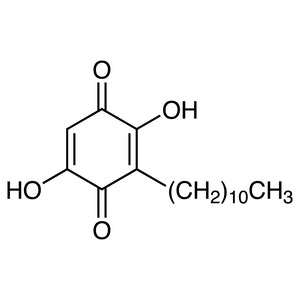
TCI E1547 Embelin is a hydroxylated benzoquinone bearing a long alkyl chain, found naturally in the fruit of *Embelia ribes*, a plant long recognised in traditional Asian medicine. Its molecular structure combines an electron-accepting quinone core with a lipophilic hydrocarbon tail, which allows the compound to cross cell membranes readily. In the laboratory, Embelin serves as a starting material for natural product research, as a phytochemical reference compound, and as a molecular probe in biochemical studies that examine interactions between proteins and small molecules in model systems.
The property that makes Embelin a frequent choice is its chemical duality. The hydroxyquinone core provides well-defined redox behaviour and a characteristic colour that makes both visual and spectrophotometric monitoring straightforward, while the long alkyl chain confers good solubility in organic solvents and in lipid-based systems. The hydroxyl groups on the quinone ring are weakly acidic, so the behaviour of the compound shifts with the pH of the medium — a property researchers often exploit to adjust solubility during an experiment. This combination makes it an attractive model for studying the relationship between molecular structure and biological activity.
In Indonesian laboratories, Embelin is typically handled in university research groups, pharmaceutical and natural product laboratories, and institutional research centres working on locally sourced plant compounds. It is generally used as an authentic reference standard when confirming the identity of compounds isolated from plant material, as a control substance in biochemical assays, and as a teaching material in advanced phytochemistry and organic chemistry practicals where students learn to characterise quinone-type natural products.
TCI brochures (PDF)
- Antioxidants for Research and Experimental Use 2026-07-29 · p. 1
- Natural product research: Embelin functions as a well-characterised starting material for isolation, purification, and structural study work in plant-derived chemistry programmes.
- Phytochemical reference standard: the compound serves as an authentic comparison substance when confirming the identity of quinones isolated from plant extracts by chromatographic methods.
- Biochemical probe studies: its membrane-permeable structure makes it suitable for investigating protein and small-molecule interactions within model systems under controlled laboratory conditions.
- Redox behaviour investigations: the hydroxyquinone core gives clear, reproducible redox properties that suit electrochemical and oxidation–reduction studies requiring a defined quinone model compound.
- Structure–activity relationship modelling: the combination of a polar quinone head and lipophilic tail makes Embelin a useful model for structure-versus-activity teaching and research.
| Brand | TCI (Tokyo Chemical Industry) |
|---|---|
| CAS number | 550-24-3 |
| Molecular formula | — |
| Purity | — |
| Category | Life Science > Biochemicals and Reagents > Crude Medicine Ingredients for Research and Experimental Use |
| Pack sizes | available in standard research-scale packaging; please confirm the currently listed size options when ordering |
| Physical form | solid quinone-type compound with a characteristic colour |
| Storage | keep in a closed container, protected from light, under the conditions stated on the manufacturer's label |
Store Embelin in its original tightly closed container, protected from light and moisture, and kept away from strong oxidising agents. Amber glass vials or opaque containers are preferred because the quinone chromophore is light-sensitive; allow refrigerated material to reach room temperature before opening to prevent moisture condensation on the solid. Handle the compound in a fume hood or well-ventilated area, using gloves, safety glasses, and a laboratory coat. Avoid generating dust when weighing. Prepare solutions fresh where possible, since the redox-active hydroxyquinone core may change over time in solution, and always consult the manufacturer's safety data sheet before use.
—
Product Categories
- Biochemicals and ReagentsCrude Medicine Ingredients for Research and Experimental Use
- Cell BiologyApoptosisApoptosis Inducers
- Cell BiologyCancer ResearchAntitumor Agents for Research
- Cell BiologyCancer ResearchChemopreventive Agents [Cancer Research]
- Pharmaceutical Development and Drug Discovery ResearchCrude Medicine Ingredients for Research and Experimental Use
Produk Terkait
-
(+/-)-Shikonin TCI H1780
Regular price From Rp 2.254.350,00Regular price -
UrsodeoxycholicAcid TCI U0030
Regular price Rp 1.115.100,00Regular price -
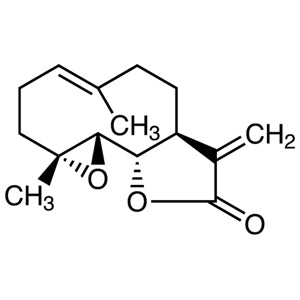
Parthenolide TCI P1982
Regular price From Rp 2.332.050,00Regular price -
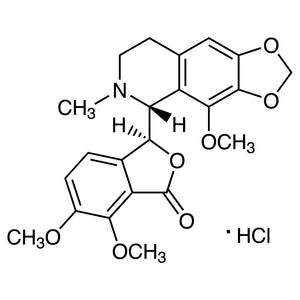
NoscapineHydrochloride TCI N0963
Regular price Rp 3.340.050,00Regular price -
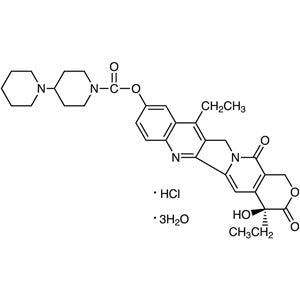
IrinotecanHydrochlorideTrihydrate TCI I0714
Regular price Rp 6.811.350,00Regular price -
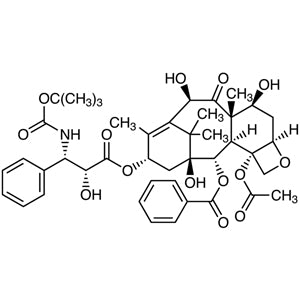
Docetaxel TCI D4102
Regular price From Rp 2.942.100,00Regular price -
ChelerythrineChloride TCI C3584
Regular price From Rp 7.659.750,00Regular price -
CombretastatinA4 TCI C2520
Regular price Rp 18.893.700,00Regular price