Parthenolide is a naturally occurring sesquiterpene lactone, classically isolated from the feverfew plant (*Tanacetum parthenium*), a herb long known in traditional European medicine. In the laboratory, parthenolide from TCI serves as a crude medicine ingredient for research and experimental use. It has become one of the reference molecules in the study of bioactive natural products, particularly for understanding how plant secondary metabolites influence cellular signalling pathways. For this reason, parthenolide appears frequently in pharmacology, cell biology, and medicinal chemistry research.
Researchers choose parthenolide for its distinctive structure, especially its α-methylene-γ-butyrolactone group, which reacts with thiol groups on proteins. This feature has made it a widely studied inhibitor of the NF-κB pathway, a central signalling route in inflammatory responses and cell survival. Parthenolide is also widely investigated in cancer stem cell research and oxidative stress studies. The small 25 mg and 100 mg pack sizes suit cell-based or enzyme-scale experiments that need only small quantities, which keeps material use efficient and limits waste of a valuable research compound.
In Indonesia, parthenolide is relevant to pharmacy laboratories, university faculties, and research groups working on natural product chemistry, pharmacology, and cell biology. Teams studying medicinal plants and the mechanisms of their active constituents can use it as a well-characterised reference compound alongside local plant extracts. Because the packs are small, it fits the budget and scale of academic projects, thesis research, and early-stage screening work, where only milligram quantities are needed for each experimental series.
TCI brochures (PDF)
- Crude Medicine Ingredients for Cancer Research 2025-02-17 · p. 1
- Traditional Medicine/Crude Medicine Research Reagents 2024-09-11 · p. 1
- Terpenes 2025-09-22 · p. 7
- Plant Research Reagents 2026-02-24 · p. 8
- Phytochemicals 2025-12-17 · p. 7
- Reagents for Biological Research 2025-03-11 · p. 35
- NF-κB pathway studies: parthenolide is widely studied as an inhibitor of this central signalling pathway, so it serves as a useful reference compound in inflammation and cell survival experiments.
- Natural product research: as a classic sesquiterpene lactone from feverfew, it acts as a reference molecule for understanding how plant secondary metabolites affect cellular signalling.
- Cancer stem cell research: parthenolide is widely investigated in this field, making it a relevant tool compound for cell-based studies of cancer stem cell behaviour.
- Oxidative stress studies: its frequent use in oxidative stress research makes it a suitable comparison compound when examining cellular responses to redox imbalance.
- Medicinal chemistry and structure-activity work: its reactive α-methylene-γ-butyrolactone group, which targets protein thiol groups, makes it a valuable model for studying covalent interactions between molecules and proteins.
| Brand | TCI (product code P1982) |
|---|---|
| CAS number | 20554-84-1 |
| Molecular formula | — |
| Purity | — |
| Category | Life Science > Biochemicals and Reagents > Crude Medicine Ingredients for Research and Experimental Use |
| Pack sizes | 25 mg and 100 mg |
| Physical form | please refer to the TCI product label and certificate of analysis |
| Storage | follow the storage conditions stated on the TCI label |
Store parthenolide in its original tightly closed container, under the conditions stated on the TCI label, and protect it from moisture, heat, and direct light. Keep the container sealed when not in use, and avoid repeated opening where possible to limit exposure to air and humidity. Handle the material in a well-ventilated area or fume hood, and wear suitable personal protective equipment, including gloves, a laboratory coat, and safety glasses. Avoid skin contact, eye contact, and inhalation of dust. Consult the Safety Data Sheet before use. This product is intended for research and experimental use only, and is not for human or veterinary use.
—
Product Categories
- Biochemicals and ReagentsCrude Medicine Ingredients for Research and Experimental Use
- Biochemicals and ReagentsTerpenesSesquiterpenes
- Cell BiologyApoptosisApoptosis Inducers
- Cell BiologyCancer ResearchAntitumor Agents for Research
- Cell BiologyNutrition ResearchPhytochemicals
- Pharmaceutical Development and Drug Discovery ResearchCrude Medicine Ingredients for Research and Experimental Use
Produk Terkait
-
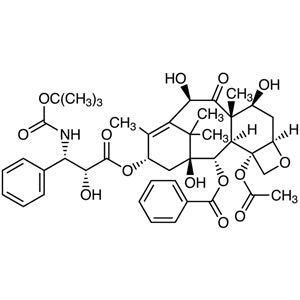
Docetaxel TCI D4102
Regular price From Rp 2.994.600,00Regular priceRp 2.109.450,00Sale price From Rp 2.994.600,00 -
Zerumbone TCI Z0060
Regular price Rp 8.374.800,00Regular priceRp 5.871.600,00Sale price Rp 8.374.800,00 -
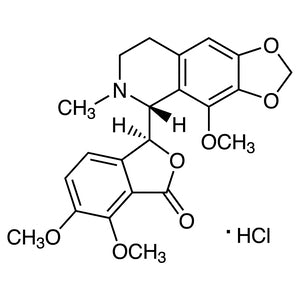
NoscapineHydrochloride TCI N0963
Regular price Rp 3.392.550,00Regular priceRp 2.387.700,00Sale price Rp 3.392.550,00 -
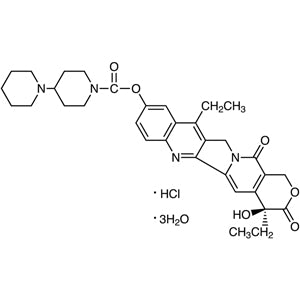
IrinotecanHydrochlorideTrihydrate TCI I0714
Regular price Rp 6.863.850,00Regular priceRp 4.815.300,00Sale price Rp 6.863.850,00 -
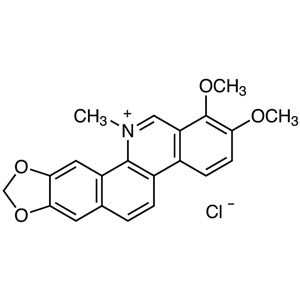
ChelerythrineChloride TCI C3584
Regular price From Rp 7.712.250,00Regular priceRp 5.408.550,00Sale price From Rp 7.712.250,00 -
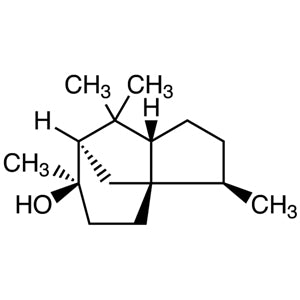
Cedrol TCI C2854
Regular price From Rp 1.723.050,00Regular priceRp 1.220.100,00Sale price From Rp 1.723.050,00 -
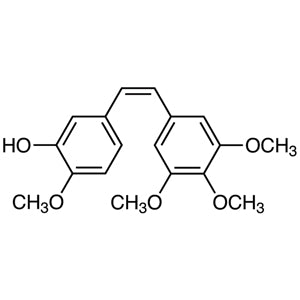
CombretastatinA4 TCI C2520
Regular price Rp 18.946.200,00Regular priceRp 13.264.650,00Sale price Rp 18.946.200,00 -
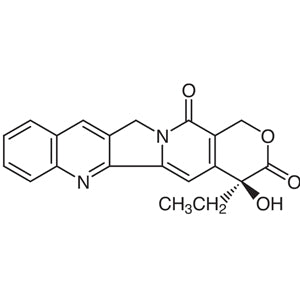
(S)-(+)-Camptothecin TCI C1495
Regular price From Rp 769.650,00Regular priceRp 553.350,00Sale price From Rp 769.650,00