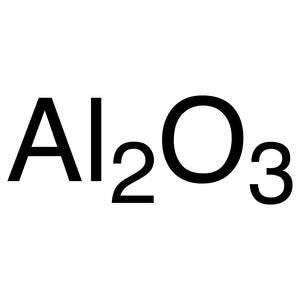
TCI F0177 12227-78-0 Food Red No. 3 Aluminum Lake is a chemical standard used in analytical chemistry for the identification and quantification of red pigments in food and cosmetic products. This compound is a complex metal aluminum and carbohydrate acid derivative, providing a stable red color that is essential for accurate analysis in laboratory settings. As a reference material, it plays a crucial role in ensuring the reliability and consistency of analytical results in food and cosmetic testing. Its use supports compliance with international and national standards for product safety and quality.
The material is known for its chemical stability and resistance to temperature and pH variations, making it suitable for a wide range of analytical techniques such as chromatography and spectroscopy. These properties allow it to maintain its integrity during testing procedures, ensuring consistent performance. Its compatibility with various analytical methods enhances its utility in both routine and specialized laboratory applications. The stability and reliability of TCI F0177 make it a preferred choice for laboratories requiring high accuracy and precision in their analyses.
In Indonesian laboratories, TCI F0177 is commonly used in research and quality control of food and cosmetic products. It is a key component in the testing of pigments and colorants, supporting regulatory compliance and product safety. Many research institutions and testing laboratories in Indonesia rely on this standard to meet national and international quality requirements. Its application ensures that analytical results are accurate and reproducible, contributing to the overall reliability of laboratory testing processes.
Related TCI products
- TCI F0179 68921-42-6 Food Blue No. 1 Aluminum Lake
- TCI F0178 12225-21-7 Food Yellow No. 4 Aluminum Lake
- TCI A0245 555-75-9 Aluminum Ethoxide
- TCI A0244 2269-22-9 Aluminum sec-Butoxide
- TCI A0241 13963-57-0 Tris(2,4-pentanedionato)aluminum(III)
- TCI T2238 2085-33-8 Tris(8-quinolinolato)aluminum (purified by sublimation)
- Used for the analysis of red pigments in food products as a reference standard, ensuring accurate identification and quantification of colorants.
- Suitable for quality control testing in cosmetic manufacturing to verify the consistency and safety of color additives.
- Applied in chromatographic analysis to determine the presence and concentration of specific pigments in complex mixtures.
- Employed in spectroscopic methods to assess the purity and stability of red colorants under different environmental conditions.
- Utilized in regulatory compliance testing to meet national and international standards for food and cosmetic safety.
| Brand | TCI |
|---|---|
| CAS number | 12227-78-0 |
| Molecular formula | — |
| Purity | — |
| Category | Analytical Chemistry > Analytical Standards > Food and Cosmetic Component Standards |
| Pack sizes | — |
| Physical form | — |
| Storage | Store in a cool, dry place away from direct light |
This material should be stored in a cool, dry environment to maintain its chemical stability and prevent degradation. It is recommended to keep it in a tightly sealed container to avoid exposure to moisture and contaminants. While the physical form is not specified, it is advisable to use appropriate containers that are compatible with the material’s properties. Laboratory personnel should handle it with care, following standard safety protocols to ensure safe usage. Proper storage and handling practices help preserve the integrity of the standard, ensuring reliable results in analytical procedures.
—
Produk Terkait
-
FoodBlueNo.1AluminumLake TCI F0179
Regular price Rp 3.048.150,00Regular price -
FoodYellowNo.4AluminumLake TCI F0178
Regular price Rp 2.809.800,00Regular price -
AluminumEthoxide TCI A0245
Regular price From Rp 1.035.300,00Regular price -
Aluminumsec-Butoxide TCI A0244
Regular price From Rp 584.850,00Regular price -
Tris(2,4-pentanedionato)aluminum(III) TCI A0241
Regular price From Rp 689.850,00Regular price -
Tris(8-quinolinolato)aluminum(purifiedbysublimation) TCI T2238
Regular price Rp 5.407.500,00Regular price -
Tris(8-quinolinolato)aluminum TCI T1527
Regular price From Rp 769.650,00Regular price -
Aluminum(III)Oxide,AEROXIDE(regR)AluC TCI A3546
Regular price Rp 1.220.100,00Regular price