N-Fluoro-N'-(chloromethyl)triethylenediamine Bis(tetrafluoroborate) is a synthetic chemical compound widely used in laboratory settings for fluorination reactions. This reagent plays a crucial role in the synthesis of fluorinated organic compounds, which are essential in various scientific fields. Its unique molecular structure allows for the substitution of fluorine atoms in organic molecules, making it a versatile tool for chemists. Due to its reactivity, it is commonly employed in research aimed at creating compounds with specific chemical properties, such as enhanced stability or unique reactivity profiles.
The compound's reactivity and ability to interact with a wide range of functional groups make it a preferred choice for fluorination processes. Its molecular design enables efficient fluorine transfer, which is vital for producing compounds with tailored properties. This characteristic makes it particularly valuable in the development of pharmaceuticals, advanced materials, and specialty chemicals. Its effectiveness in controlled environments ensures that it remains a key reagent in synthetic chemistry applications.
In Indonesian laboratories, this compound is extensively used in organic chemistry research and fluorinated compound synthesis. It is a common reagent in academic and industrial research settings, supporting the development of new products in pharmaceuticals and chemical industries. Its demand is high due to its critical role in creating compounds with unique chemical properties, making it an essential tool for researchers in Indonesia.
TCI brochures (PDF)
- Sulfur Dioxide (SO2) Surrogate Reagents Usable for Sulfonation 2026-05-18 · p. 1
- Halogenation Reagents 2026-04-03 · p. 5
- Quaternary Ammonium Salts 2025-11-10 · p. 10
- Boron Compounds 2025-10-07 · p. 25
- Fluorination Reagents, Fluorinated Building Blocks 2026-03-18 · p. 4
Related TCI products
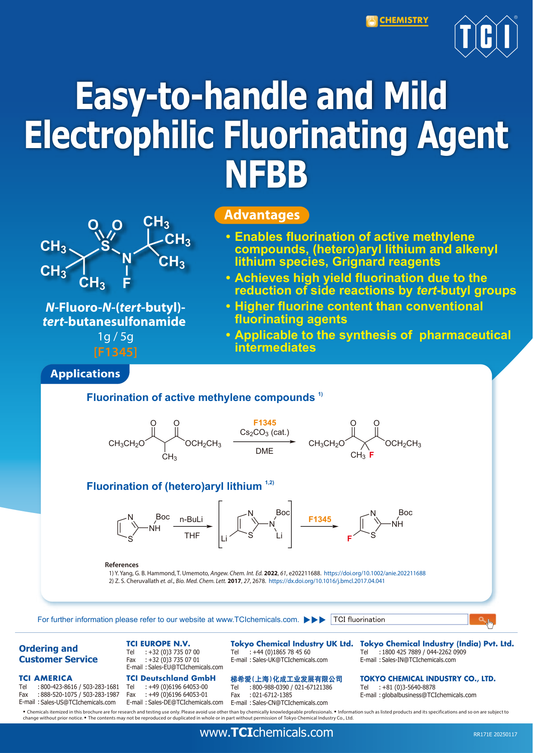
- TCI F1345 2845105-20-4 N-(tert-Butyl)-N-fluoro-2-methylpropane-2-sulfonamide
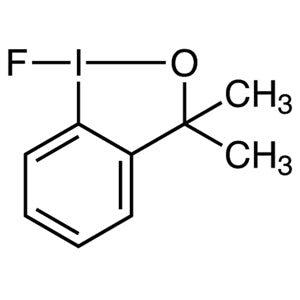
- TCI F0957 1391728-13-4 1-Fluoro-3,3-dimethyl-1,2-benziodoxole
- TCI T3277 36443-68-2 Triethylene Glycol Bis[3-(3-tert-butyl-4-hydroxy-5-methylphenyl)propionate]
- TCI T3114 208827-90-1 Triethylene Glycol Mono(2-propynyl) Ether
- TCI T1996 55489-58-2 Triethylene Glycol Monobenzyl Ether
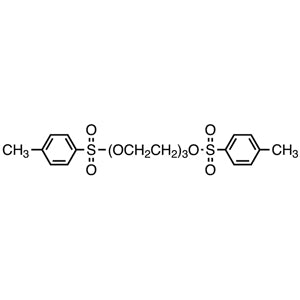
- TCI T1488 19249-03-7 Triethylene Glycol Bis(p-toluenesulfonate)
- Fluorination Reactions: This reagent is ideal for fluorination processes due to its ability to efficiently transfer fluorine atoms to organic compounds, enabling the synthesis of fluorinated materials.
- Organic Synthesis: It is widely used in the synthesis of organofluorine compounds, which are important in pharmaceutical and material sciences for their unique chemical properties.
- Pharmaceutical Research: Its role in creating fluorinated compounds makes it valuable in drug development, where fluorine atoms can enhance the stability and biological activity of molecules.
- Material Science Applications: It supports the production of advanced materials with enhanced thermal and chemical resistance, which are used in various industrial applications.
- Chemical Industry Development: It is utilized in the creation of specialty chemicals, contributing to the development of new products in the chemical manufacturing sector.
From the TCI brochure
- Reagent in sulfonyl fluoride synthesis scheme
| Brand | TCI |
|---|---|
| CAS number | 140681-55-6 |
| Molecular formula | — |
| Purity | — |
| Category | Chemistry > Synthetic Reagents > Fluorination Reagents |
| Pack sizes | — |
| Physical form | — |
| Storage | Requires storage in a cool, dry, and well-ventilated area away from moisture and heat |
This reagent should be stored in a cool, dry, and well-ventilated area, away from moisture and heat. It is recommended to use airtight containers to prevent exposure to air and moisture, which can affect its stability. Due to its reactivity, it should be handled in a controlled laboratory environment with appropriate safety measures in place. Personal protective equipment, such as gloves and safety goggles, should be worn when handling this compound. It is important to avoid contact with incompatible materials and ensure proper ventilation during use. Storage conditions should be monitored to maintain the integrity and effectiveness of the reagent.
—
Produk Terkait
-
N-(tert-Butyl)-N-fluoro-2-methylpropane-2-sulfonamide TCI F1345
Regular price From Rp 3.870.300,00Regular price -
1-Fluoro-3,3-dimethyl-1,2-benziodoxole TCI F0957
Regular price Rp 6.253.800,00Regular price -
TriethyleneGlycolBis[3-(3-tert-butyl-4-hydroxy-5-methylphenyl)propionate] TCI T3277
Regular price From Rp 1.008.000,00Regular price -
TriethyleneGlycolMono(2-propynyl)Ether TCI T3114
Regular price From Rp 2.411.850,00Regular price -
TriethyleneGlycolMonobenzylEther TCI T1996
Regular price From Rp 3.525.900,00Regular price -
TriethyleneGlycolBis(p-toluenesulfonate) TCI T1488
Regular price From Rp 1.167.600,00Regular price -
TriethyleneGlycolMonoisopropylEther TCI T1373
Regular price Rp 4.479.300,00Regular price -
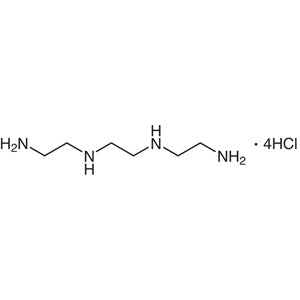
TriethylenetetramineTetrahydrochloride TCI T1212
Regular price Rp 1.988.700,00Regular price

![36443-68-2 Triethylene Glycol Bis[3-(3-tert-butyl-4-hydroxy-5-methylphenyl)propionate] - AMI Scientific](http://amiscientific.com/cdn/shop/files/TCI2510T3277.jpg?v=1769143710&width=533)