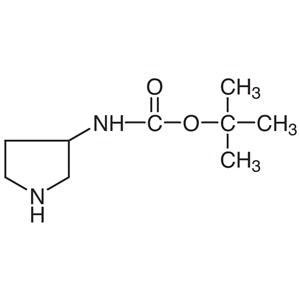
1-(4-Formylphenyl)pyrrolidine is a chemical compound widely used as a building block in the synthesis of heterocyclic compounds. Its unique molecular structure, featuring a pyrrolidine ring connected to a formyl group on an aromatic chain, makes it a versatile reagent in organic chemistry. In the laboratory, this compound plays a crucial role in constructing complex molecular frameworks, especially in the development of pharmaceuticals and specialty chemicals. Its ability to participate in various chemical reactions enhances its utility in synthetic pathways.
The reactivity and structural flexibility of 1-(4-Formylphenyl)pyrrolidine make it a preferred choice for chemists. The presence of both aromatic and heterocyclic components allows for multiple reaction pathways, including substitution and condensation reactions. Its stability under controlled conditions also ensures reliable performance in laboratory settings. These properties make it an essential tool for researchers working on the synthesis of heterocyclic compounds.
In Indonesian laboratories, 1-(4-Formylphenyl)pyrrolidine is commonly used in chemical research, particularly in the field of heterocyclic synthesis. It is frequently employed in academic and industrial settings to develop new compounds with potential applications in medicine and materials science. Its availability and chemical versatility contribute to its popularity among scientists and researchers in Indonesia.
Related TCI products
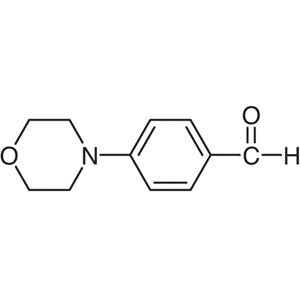
- TCI M1625 1204-86-0 4-(4-Formylphenyl)morpholine
- TCI T4405 1239488-58-4 Tetrahydrofuran-2-yl Pyrrolidine-1-carbodithioate
- TCI T4077 3140-75-8 2,4,6-Tris(4-formylphenoxy)-1,3,5-triazine
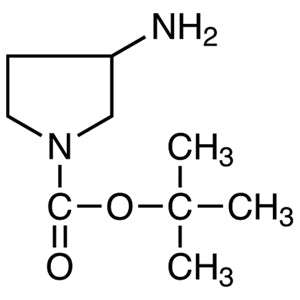
- TCI B3890 186550-13-0 3-Amino-1-(tert-butoxycarbonyl)pyrrolidine
- TCI B1560 115445-21-1 1-Benzyl-3-(ethylamino)pyrrolidine
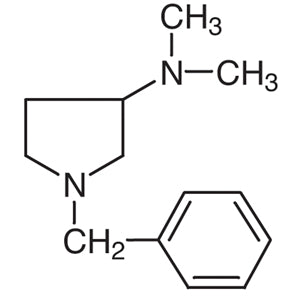
- TCI B1559 69478-77-9 1-Benzyl-3-(dimethylamino)pyrrolidine
- Heterocyclic Compound Synthesis: This compound is ideal for creating complex ring structures due to its pyrrolidine and aromatic components.
- Pharmaceutical Research: Its reactivity makes it suitable for developing new drug molecules with specific biological activities.
- Organic Chemistry Experiments: It is widely used in synthetic pathways that require functional group transformations and molecular modifications.
- Academic Teaching Labs: Its role in building molecular frameworks makes it a valuable tool for educational purposes.
- Industrial Chemical Development: Its versatility supports the creation of specialty chemicals for various industrial applications.
| Brand | TCI |
|---|---|
| CAS number | 51980-54-2 |
| Molecular formula | — |
| Purity | — |
| Category | Chemistry > Building Blocks > Heterocyclic Building Blocks |
| Pack sizes | Available in various quantities as per standard laboratory supply |
| Physical form | Solid or liquid, depending on the specific product variant |
| Storage | Store in a cool, dry place away from direct sunlight and moisture |
This compound should be stored in a cool, dry environment, away from direct sunlight and moisture. It is recommended to use airtight containers to prevent exposure to air and humidity. Due to its reactivity, it should be handled in a well-ventilated area, preferably under a fume hood. Avoid contact with incompatible substances such as strong oxidizing agents. Always wear appropriate personal protective equipment, including gloves and safety goggles, when handling this material. Proper storage and handling ensure the compound remains stable and safe for use in laboratory applications.
—
Produk Terkait
-
4-(4-Formylphenyl)morpholine TCI M1625
Regular price From Rp 769.650,00Regular price -
Tetrahydrofuran-2-ylPyrrolidine-1-carbodithioate TCI T4405
Regular price From Rp 1.988.700,00Regular price -
2,4,6-Tris(4-formylphenoxy)-1,3,5-triazine TCI T4077
Regular price Rp 2.068.500,00Regular price -
3-Amino-1-(tert-butoxycarbonyl)pyrrolidine TCI B3890
Regular price From Rp 2.094.750,00Regular price -
1-Benzyl-3-(ethylamino)pyrrolidine TCI B1560
Regular price Rp 2.016.000,00Regular price -
1-Benzyl-3-(dimethylamino)pyrrolidine TCI B1559
Regular price Rp 1.776.600,00Regular price -
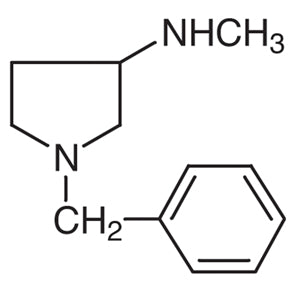
1-Benzyl-3-(methylamino)pyrrolidine TCI B1558
Regular price From Rp 1.590.750,00Regular price -
3-(tert-Butoxycarbonylamino)pyrrolidine TCI B1358
Regular price From Rp 1.696.800,00Regular price