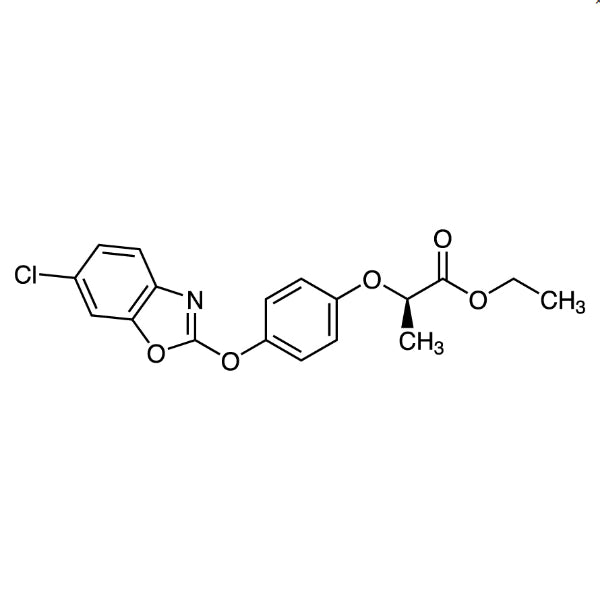
Fenoxaprop-P-ethyl (TCI F1366, CAS 71283-80-2) is a chemical compound widely used in laboratory research, particularly in the fields of nutrition and cell biology. As an active ingredient in herbicides, it plays a crucial role in studying plant growth inhibition mechanisms. Its chemical properties make it a valuable tool for researchers aiming to understand how plants respond to environmental and nutritional factors. This compound is commonly used in controlled experiments to analyze the effects of various stimuli on plant physiology.
One of the key reasons Fenoxaprop-P-ethyl is preferred in laboratories is its chemical stability and solubility in organic solvents. These properties simplify its handling and application in experimental settings, allowing for consistent and reproducible results. Additionally, its effectiveness in inhibiting plant growth makes it ideal for controlled experiments where precise regulation of plant development is necessary. The compound’s predictable behavior under different conditions further enhances its reliability in research.
In Indonesian laboratories, Fenoxaprop-P-ethyl is frequently used by researchers in plant nutrition and cell biology. Its relevance lies in its ability to support studies on plant metabolism, enzyme activity, and environmental responses. Due to its non-toxic nature in controlled doses, it is considered safe for use in laboratory settings, making it a practical choice for a wide range of scientific investigations.
TCI brochures (PDF)
- Agrochemical Ingredients for Research and Experimental Use 2026-01-08 · p. 3
- Plant Research Reagents 2026-02-24 · p. 10
- Plant Growth Inhibition Studies: This compound is ideal for investigating how plants respond to growth inhibitors, providing insights into physiological responses and metabolic pathways.
- Nutrient Response Analysis: Researchers use it to study how varying nutrient levels affect plant development, aiding in the understanding of nutrient uptake mechanisms.
- Enzymatic Activity Research: Its role in plant metabolism makes it useful for studying enzyme activity and metabolic processes within plant cells.
- Environmental Stress Testing: It helps simulate environmental stress conditions to assess plant resilience and adaptation strategies.
- Metabolic Pathway Investigations: The compound's impact on plant growth allows for the exploration of key metabolic pathways and regulatory mechanisms.
| Brand | TCI |
|---|---|
| CAS number | 71283-80-2 |
| Molecular formula | — |
| Purity | — |
| Category | Life Science > Cell Biology > Nutrition Research |
| Pack sizes | As per standard laboratory supply sizes |
| Physical form | Liquid |
| Storage | Store in a cool, dry place away from direct sunlight |
Fenoxaprop-P-ethyl should be stored in a cool, dry location, away from direct sunlight and sources of heat. It is recommended to use airtight containers to prevent contamination and maintain its chemical stability. Due to its solubility in organic solvents, it should be handled in a well-ventilated area to minimize exposure. Laboratory personnel should wear appropriate personal protective equipment, such as gloves and safety goggles, when handling the compound. Proper disposal procedures should be followed to ensure environmental safety. Regular monitoring of storage conditions is essential to maintain the integrity of the compound and ensure safe usage in research settings.
—
Produk Terkait
-
Fenoxaprop-P TCI F1196
Regular price Rp 4.771.200,00Regular price -
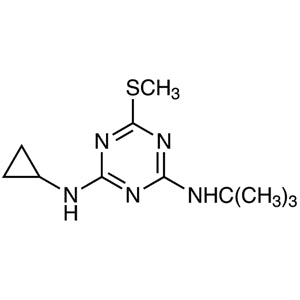
2-(tert-Butylamino)-4-(cyclopropylamino)-6-(methylthio)-1,3,5-triazine TCI I0842
Regular price From Rp 1.644.300,00Regular price -
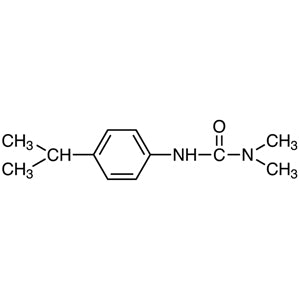
Isoproturon TCI I0843
Regular price From Rp 1.298.850,00Regular price -
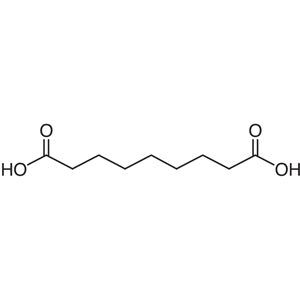
AzelaicAcid TCI A0561
Regular price From Rp 505.050,00Regular price -
AbieticAcid TCI A0001
Regular price From Rp 1.510.950,00Regular price -
Sulfentrazone TCI U0110
Regular price From Rp 2.411.850,00Regular price -
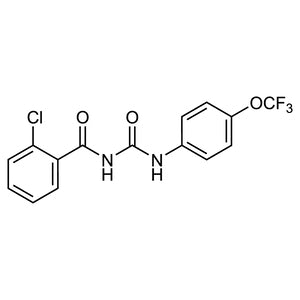
Triflumuron TCI T4364
Regular price From Rp 1.220.100,00Regular price -
Tralopyril TCI T4109
Regular price From Rp 2.730.000,00Regular price