(S)-N-Glycidylphthalimide is a chemical compound widely used in asymmetric synthesis to construct molecular structures with optical activity. This compound plays a crucial role in laboratory settings where precise control over molecular configuration is essential. It is particularly valuable in the development of pharmaceutical compounds and organic chemicals, where stereochemistry significantly influences biological activity. Its presence in various chemical reactions highlights its importance in advanced synthetic pathways.
The compound's complex chemical structure and high reactivity make it a preferred choice for researchers. It exhibits good solubility in organic solvents, which simplifies processing and reaction conditions in the lab. This solubility, combined with its ability to participate in specific chemical reactions, enhances its utility in synthetic applications. Its reactivity ensures that it can be efficiently incorporated into multi-step syntheses requiring high precision.
In Indonesian laboratories, (S)-N-Glycidylphthalimide is extensively used by chemists, pharmacologists, and materials scientists. It is commonly applied in research related to drug development, organic chemical synthesis, and molecular modification for industrial applications. Its versatility and effectiveness make it an essential reagent in both academic and industrial research environments.
TCI brochures (PDF)
- Chiral Building Blocks 2025-04-14 · p. 12
- Asymmetric Synthesis: This compound is ideal for creating chiral molecules with specific stereochemistry, which is critical in pharmaceutical development.
- Organic Chemistry Research: Its reactivity and solubility make it suitable for a wide range of organic reactions requiring precise control over molecular structure.
- Drug Development: Used in the synthesis of bioactive compounds, it supports the creation of pharmaceuticals with desired optical properties.
- Materials Science: It is applied in the modification of molecular structures for advanced materials with specific functional properties.
- Analytical Chemistry: Its chemical stability and reactivity aid in the preparation of standards and reagents for analytical procedures.
| Brand | TCI |
|---|---|
| CAS number | 161596-47-0 |
| Molecular formula | — |
| Purity | — |
| Category | Chemistry > Asymmetric Synthesis > Chiral Building Blocks |
| Pack sizes | Available in various sizes as per standard laboratory requirements |
| Physical form | Solid |
| Storage | Store in a cool, dry place away from moisture and direct sunlight |
This compound should be stored in a cool, dry environment, away from moisture and direct sunlight to maintain its chemical integrity. It is recommended to use airtight containers to prevent exposure to air and humidity. Due to its reactivity, it should be handled with care, using appropriate personal protective equipment such as gloves and safety goggles. Proper ventilation is essential when working with this material to minimize inhalation risks. It is important to store it separately from incompatible substances to avoid any potential chemical interactions. Regular inspection of storage conditions ensures the compound remains in optimal condition for use in laboratory applications.
—
Produk Terkait
-
(R)-N-Glycidylphthalimide TCI G0327
Regular price From Rp 1.458.450,00Regular price -
N-(4-Bromophenyl)phthalimide TCI B2707
Regular price From Rp 2.730.000,00Regular price -
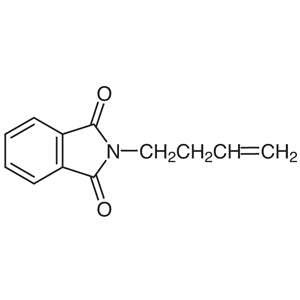
N-(3-Buten-1-yl)phthalimide TCI B1881
Regular price Rp 7.897.050,00Regular price -
PhthalimidePotassiumSalt TCI P0403
Regular price From Rp 557.550,00Regular price -
Phthalimide TCI P0402
Regular price From Rp 530.250,00Regular price -
N-(2-Hydroxyethyl)phthalimide TCI H0245
Regular price From Rp 689.850,00Regular price -
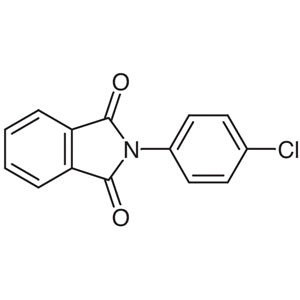
N-(4-Chlorophenyl)phthalimide TCI C1958
Regular price From Rp 1.378.650,00Regular price -
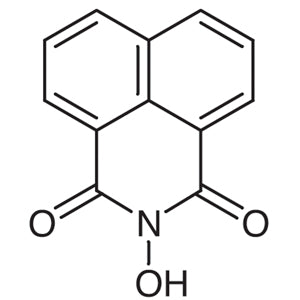
N-Hydroxy-1,8-naphthalimide TCI H1040
Regular price From Rp 928.200,00Regular price