![[6]-Gingerol (CAS 23513-14-6) - TCI G0413 - AMI Scientific](http://amiscientific.com/cdn/shop/files/TCI2510G0413.jpg?v=1767115177&width=1946)
![[6]-Gingerol (CAS 23513-14-6) - TCI G0413 - AMI Scientific](http://amiscientific.com/cdn/shop/files/TCI2510G0413.jpg?v=1767115177&width=1445)
Gingerol is a natural compound derived from the rhizome of *Zingiber officinale*, commonly known as ginger. It plays a crucial role in life science laboratories, particularly in biochemical and pharmaceutical research. As a key component of ginger extract, gingerol is widely used for its diverse biological activities. Its presence in research settings enables scientists to explore its potential in drug development, bioactive compound analysis, and the study of medicinal plant effects. Gingerol’s relevance extends across multiple scientific disciplines, making it an essential reagent in experimental studies.
Gingerol is valued for its stable chemical structure and resistance to degradation under various reaction conditions. These properties make it a reliable choice for high-precision research applications. Its antioxidant, anti-inflammatory, and anticancer properties further enhance its appeal in health and pharmacological studies. The compound’s distinct aroma also aids in visual identification during chemical separation and analysis processes. These characteristics collectively position gingerol as a versatile and dependable material for laboratory use.
In Indonesian laboratories, gingerol is commonly utilized in research related to public health, herbal product development, and the study of natural compounds’ effects on the human body. Its availability and well-documented properties make it a preferred choice for both academic and industrial research institutions. The compound’s non-toxic nature and safety profile ensure its safe handling and application in various experimental contexts.
- Drug development studies benefit from gingerol’s bioactive properties, aiding in the discovery of novel therapeutic agents.
- Biochemical analysis relies on gingerol’s stability and reactivity for accurate compound identification and quantification.
- Anti-inflammatory research utilizes gingerol to investigate its potential in treating inflammatory diseases and conditions.
- Herbal product formulation incorporates gingerol as a key ingredient to enhance the efficacy and stability of natural remedies.
- Toxicology studies use gingerol to assess its safety profile and potential applications in pharmaceutical and nutraceutical products.
| Brand | TCI |
|---|---|
| CAS number | 23513-14-6 |
| Molecular formula | — |
| Purity | — |
| Category | Life Science > Biochemicals and Reagents > Crude Medicine Ingredients for Research and Experimental Use |
| Pack sizes | Available in various quantities as per standard laboratory supply formats |
| Physical form | Solid, typically in powder or crystalline form |
| Storage | Store in a cool, dry place away from direct sunlight and moisture |
Gingerol should be stored in a cool, dry environment to maintain its chemical stability and prevent degradation. It is recommended to use airtight containers to minimize exposure to moisture and air, which can affect its integrity. Since gingerol is non-toxic, it is generally safe to handle, but standard laboratory safety protocols should still be followed. It is important to ensure that the storage area is well-ventilated to avoid any potential accumulation of volatile compounds. Proper labeling of containers is essential for safe identification and handling. Regular inspection of storage conditions helps maintain the quality and usability of gingerol for research purposes.
—
Produk Terkait
-
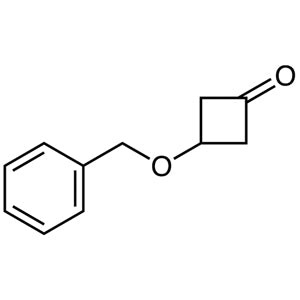
3-(Benzyloxy)cyclobutanone TCI B6029
Regular price From Rp 875.700,00Regular price -
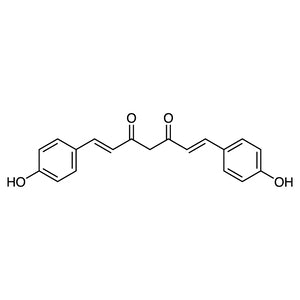
Bisdemethoxycurcumin TCI B6548
Regular price Rp 3.100.650,00Regular price -
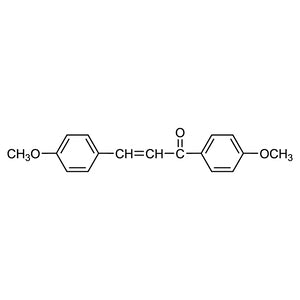
4,4'-Dimethoxychalcone TCI B6793
Regular price From Rp 2.386.650,00Regular price -
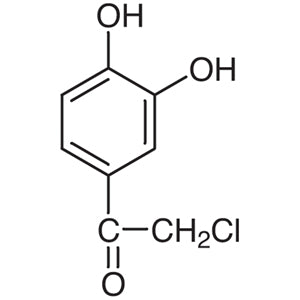
4-(Chloroacetyl)catechol TCI C0156
Regular price Rp 1.565.550,00Regular price -
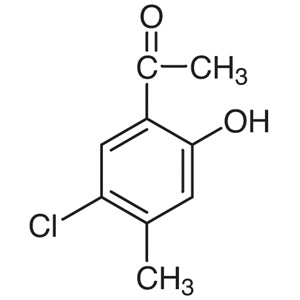
5'-Chloro-2'-hydroxy-4'-methylacetophenone TCI C1629
Regular price From Rp 717.150,00Regular price -
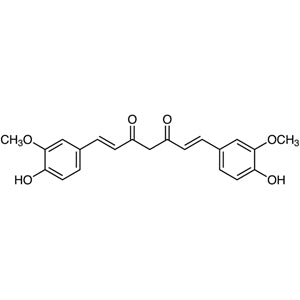
Curcumin(Synthetic) TCI C2302
Regular price From Rp 1.193.850,00Regular price -
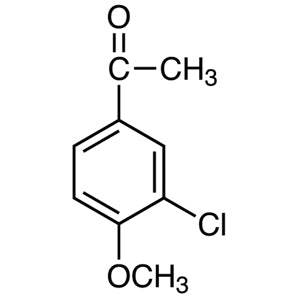
3'-Chloro-4'-methoxyacetophenone TCI C3093
Regular price From Rp 1.405.950,00Regular price -
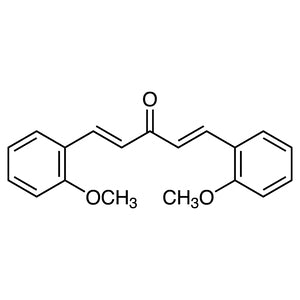
CurcuminAnalogC1 TCI C3883
Regular price Rp 3.392.550,00Regular price