Paradol, with CAS number 27113-22-0, is a chemical compound widely used in scientific experiments, particularly in the fields of biochemistry and pharmacology. It plays a crucial role in laboratory research by enabling the study of pharmacological effects and the mechanisms of drug action. As a key component in both clinical and laboratory research, Paradol supports the testing of biological activities and the development of new pharmaceutical products. Its presence in research settings is essential for understanding how various compounds interact with biological systems.
One of the main reasons Paradol is a preferred choice for researchers is its chemical stability and solubility in organic solvents. These properties make it easier to handle and integrate into a wide range of chemical reactions. The stability ensures that the compound maintains its integrity during experiments, while its solubility allows for efficient preparation of solutions and reagents. These characteristics are vital for maintaining the accuracy and reliability of experimental results.
In Indonesian laboratories, Paradol is commonly used as a raw material in scientific research, especially in pharmaceutical, biochemical, and health sciences. Many research institutions and universities rely on this compound for experiments related to pharmacological effects and drug activity testing. Its availability supports the continuity of research activities, making it an essential tool for scientists and researchers in the region.
TCI brochures (PDF)
- Phytochemicals 2025-12-17 · p. 9
- Pharmacological research utilizes Paradol to investigate drug mechanisms and biological interactions due to its stability and solubility.
- Biochemical experiments benefit from Paradol's chemical properties, making it ideal for studying molecular interactions and reaction pathways.
- Drug development projects often incorporate Paradol to test the efficacy and safety of new compounds in controlled environments.
- Clinical research applications rely on Paradol for assessing the impact of pharmaceutical compounds on biological systems.
- Analytical testing in laboratories uses Paradol as a standard reference for evaluating the performance of chemical reagents and instrumentation.
| Brand | TCI |
|---|---|
| CAS number | 27113-22-0 |
| Molecular formula | — |
| Purity | — |
| Category | Life Science > Biochemicals and Reagents > Crude Medicine Ingredients for Research and Experimental Use |
| Pack sizes | Available in various sizes as per supplier specifications |
| Physical form | Solid or powder, depending on the specific product variant |
| Storage | Store in a cool, dry place away from direct sunlight and moisture |
Paradol should be stored in a cool, dry environment to maintain its chemical stability and prevent degradation. It is recommended to keep the compound in airtight containers to minimize exposure to moisture and air, which can affect its solubility and effectiveness. Laboratory personnel should handle Paradol with care, using appropriate personal protective equipment such as gloves and safety goggles to ensure safety during handling. The compound should be stored away from incompatible materials to avoid any potential chemical reactions. Regular monitoring of storage conditions is essential to ensure the integrity of the material remains intact for research purposes. Proper storage practices help maintain the quality and reliability of Paradol in experimental applications.
—
Product Categories
- Biochemicals and ReagentsCrude Medicine Ingredients for Research and Experimental Use
- Biochemicals and ReagentsPhenylpropanoids, Aromatic PolyketidesPhenylpropanoids
- Cell BiologyCancer ResearchAntitumor Agents for Research
- Cell BiologyNutrition ResearchPhytochemicals
- Pharmaceutical Development and Drug Discovery ResearchCrude Medicine Ingredients for Research and Experimental Use
Produk Terkait
-
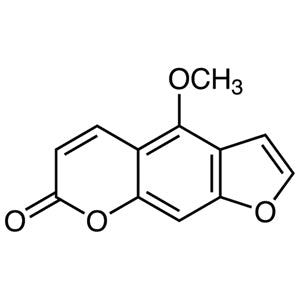
Bergapten TCI B2840
Regular price From Rp 2.702.700,00Regular priceRp 1.905.750,00Sale price From Rp 2.702.700,00 -
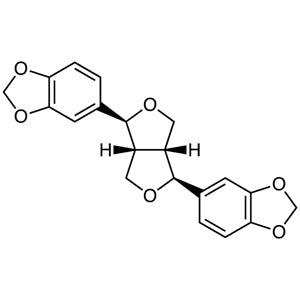
Sesamin TCI S0495
Regular price Rp 5.246.850,00Regular priceRp 3.684.450,00Sale price Rp 5.246.850,00 -
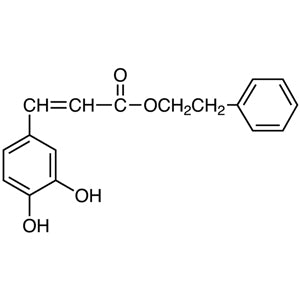
PhenethylCaffeate TCI P2088
Regular price From Rp 1.087.800,00Regular priceRp 775.950,00Sale price From Rp 1.087.800,00 -
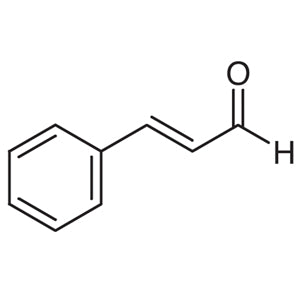
trans-Cinnamaldehyde TCI C0352
Regular price From Rp 477.750,00Regular priceRp 333.900,00Sale price From Rp 477.750,00 -
Isoliquiritigenin TCI I0822
Regular price From Rp 1.087.800,00Regular priceRp 775.950,00Sale price From Rp 1.087.800,00 -
Eugenol TCI A0232
Regular price From Rp 557.550,00Regular priceRp 405.300,00Sale price From Rp 557.550,00 -
Tetrahydrocurcumin TCI T3587
Regular price From Rp 2.439.150,00Regular priceRp 1.720.950,00Sale price From Rp 2.439.150,00 -
Tangeretin TCI T2708
Regular price From Rp 5.672.100,00Regular priceRp 3.981.600,00Sale price From Rp 5.672.100,00