


4-Hydroxybenzenesulfonamide is a chemical compound widely used as a building block in various chemical reactions, particularly in the synthesis of heterocyclic compounds and sulfonamide derivatives. Its simple yet essential molecular structure plays a crucial role in the development of bioactive compounds, pharmaceuticals, and industrial chemicals. In the laboratory, this compound serves as a versatile reagent, supporting substitution, coupling, and molecular modification reactions. Its chemical stability under specific conditions allows it to interact with a variety of functional groups, making it a valuable asset in synthetic chemistry.
The compound’s open molecular structure and good reactivity make it highly suitable for participation in a range of reactive conditions, such as basic or acidic environments. This reactivity enables precise synthesis of complex molecules with high accuracy. Its ability to engage in multiple chemical transformations enhances its utility in both academic and industrial research settings. The compound’s reliability and consistent performance make it a preferred choice for chemists working on diverse synthetic pathways.
In Indonesian laboratories, 4-Hydroxybenzenesulfonamide is commonly utilized in organic chemistry, pharmaceutical, and material science research. Its availability and effectiveness in various chemical reactions make it a primary choice for researchers aiming to develop new compounds and materials. Its role in supporting a wide array of chemical processes underscores its importance in both basic and applied research.
Related TCI products
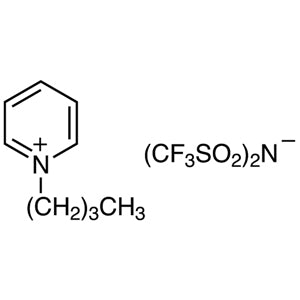
- TCI B5571 187863-42-9 1-Butylpyridinium Bis(trifluoromethanesulfonyl)imide
- TCI B5658 129378-52-5 2-(tert-Butyldimethylsilyl)-N,N-dimethyl-1H-imidazole-1-sulfonamide
- TCI B5734 89599-01-9 3-Bromobenzenesulfonamide
- TCI B5763 475681-62-0 1-Butyl-4-methylpyridinium Bis(trifluoromethanesulfonyl)imide
- TCI B5852 1041026-55-4 [3-(Bromomethyl)-1-tosylazetidin-3-yl]methanol
- TCI B5888 866323-14-0 Belinostat
- Organic synthesis where it serves as a key intermediate in the creation of heterocyclic compounds and sulfonamide derivatives.
- Pharmaceutical research for the development of bioactive molecules and drug candidates due to its structural versatility.
- Material science applications in the synthesis of functional polymers and specialty chemicals requiring precise molecular design.
- Analytical chemistry for use in standardization and calibration of chemical reagents and reaction conditions.
- Teaching laboratories for demonstrating fundamental chemical reactions and molecular modification techniques.
| Brand | TCI |
|---|---|
| CAS number | 1576-43-8 |
| Molecular formula | — |
| Purity | — |
| Category | Chemistry > Building Blocks > Non-Heterocyclic Building Blocks |
| Pack sizes | Available in various quantities as per standard laboratory supply options |
| Physical form | Solid powder |
| Storage | Store in a cool, dry place away from direct sunlight and moisture |
4-Hydroxybenzenesulfonamide should be stored in a cool, dry environment to maintain its chemical stability and prevent degradation. It is recommended to keep the compound in a sealed container to avoid exposure to moisture and air, which can affect its reactivity. Suitable storage containers include glass or high-density polyethylene (HDPE) bottles with tight-fitting lids. In laboratory settings, it is important to handle the compound with care, using appropriate personal protective equipment such as gloves and safety goggles. While it is generally stable under normal conditions, it should be kept away from strong oxidizing agents and incompatible substances to ensure safety and maintain its integrity.
—
Produk Terkait
-
1-ButylpyridiniumBis(trifluoromethanesulfonyl)imide TCI B5571
Regular price From Rp 2.094.750,00Regular price -
2-(tert-Butyldimethylsilyl)-N,N-dimethyl-1H-imidazole-1-sulfonamide TCI B5658
Regular price From Rp 2.650.200,00Regular price -
3-Bromobenzenesulfonamide TCI B5734
Regular price From Rp 1.405.950,00Regular price -
1-Butyl-4-methylpyridiniumBis(trifluoromethanesulfonyl)imide TCI B5763
Regular price From Rp 903.000,00Regular price -
[3-(Bromomethyl)-1-tosylazetidin-3-yl]methanol TCI B5852
Regular price From Rp 1.378.650,00Regular price -
Belinostat TCI B5888
Regular price From Rp 2.306.850,00Regular price -
(-)-4-tert-Butyl-2,6-bis[(4S,5S)-4,5-tetramethylene-1-(2,4,6-trimethylbenzenesulfonyl)imidazolin-2-yl]phenol(contains5%Dichloromethaneatmaximum) TCI B6146
Regular price Rp 8.322.300,00Regular price


![[3-(Bromomethyl)-1-tosylazetidin-3-yl]methanol (CAS 1041026-55-4) - TCI B5852 - AMI Scientific](http://amiscientific.com/cdn/shop/files/TCI2510B5852_08c96097-28a8-4e07-aa20-fbef24394b16.jpg?v=1767863600&width=533)

![(-)-4-tert-Butyl-2,6-bis[(4S,5S)-4,5-tetramethylene-1-(2,4,6-trimethylbenzenesulfonyl)imidazolin-2-yl]phenol (contains 5% Dichloromethane at maximum) (CAS 2102316-91-4) - TCI B6146 - AMI Scientific](http://amiscientific.com/cdn/shop/files/TCI2510B6146.jpg?v=1767093225&width=533)