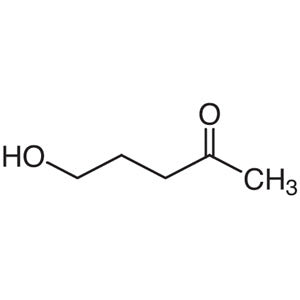
TCI H0511 5-Hydroxy-2-pentanone is supplied as a mixture of its monomer and dimer forms, reflecting the natural equilibrium that occurs in five-carbon hydroxy ketone compounds. The molecule carries two functional groups at once — a ketone at the second position and a hydroxyl group at the end of the chain — placing it among the bifunctional building blocks that are genuinely valuable in organic synthesis. In the laboratory, compounds of this type serve as starting points for ring formation, carbon chain extension, and the preparation of intermediates that require two distinct reactive sites on a single, simple framework.
The property that makes this material a preferred choice is the favourable spacing between the ketone and hydroxyl groups, which allows intramolecular cyclisation reactions to form five-membered rings. The monomer–dimer equilibrium stated in the product name is an intrinsic characteristic of hydroxy ketone compounds and does not diminish its usefulness, because that form reopens again under appropriate reaction conditions. Being a liquid, the material is easily transferred by pipette or syringe and can be dissolved directly into common organic solvents, making it practical for both millimole-scale and preparative-scale work.
In Indonesian laboratories, this building block is typically used in university research groups, synthetic chemistry laboratories, and institutional research units working on the preparation of organic intermediates. It suits experimental settings where a simple bifunctional framework is needed to build more complex structures, and its liquid form fits the routine handling practices already established in most synthesis laboratories, from small-scale trial reactions through to repeated preparative runs.
Related TCI products
- TCI A0744 25584-83-2 Hydroxypropyl Acrylate (mixture of 2-Hydroxypropyl and 2-Hydroxy-1-methylethyl Acrylate) (stabilized with MEHQ)
- TCI M0512 27813-02-1 Hydroxypropyl Methacrylate (mixture of 2-Hydroxypropyl and 2-Hydroxy-1-methylethyl Methacrylate) (stabilized with MEHQ)
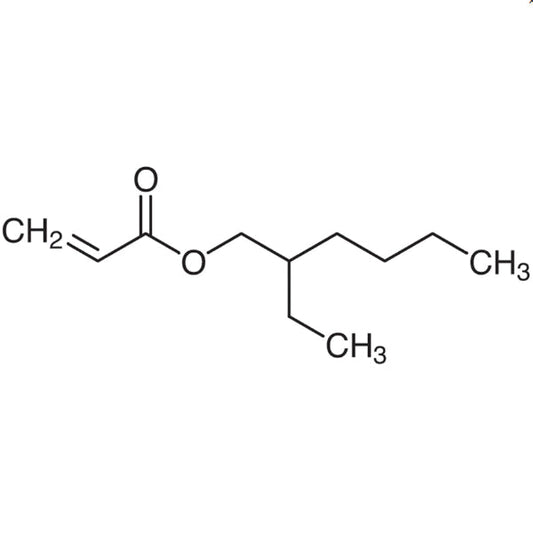
- TCI A0144 103-11-7 2-Ethylhexyl Acrylate Monomer (stabilized with MEHQ)
- TCI A0045 108-05-4 Vinyl Acetate Monomer (stabilized with HQ)
- TCI M0326 585-07-9 tert-Butyl Methacrylate Monomer (stabilized with MEHQ)
- TCI B4648 815-52-1 2-Bromo-3-pentanone
- Intramolecular cyclisation studies — the spacing between the ketone and terminal hydroxyl group allows the chain to close onto itself and form five-membered rings under suitable reaction conditions.
- Bifunctional intermediate preparation — two different functional groups on one simple carbon skeleton let chemists carry out sequential or selective transformations at separate reactive positions.
- Carbon chain extension work — the five-carbon framework serves as a starting unit that can be lengthened or elaborated when building larger organic target structures in synthesis.
- Building block screening in organic synthesis — its simple structure and liquid form make it convenient for exploratory millimole-scale reactions where several conditions are trialled in sequence.
- Preparative-scale synthetic runs — the material dissolves readily in common organic solvents and transfers accurately by pipette or syringe, supporting reproducible work at larger reaction volumes.
| Brand | TCI |
|---|---|
| CAS number | 1071-73-4 |
| Molecular formula | — |
| Purity | — |
| Category | Chemistry > Building Blocks > Non-Heterocyclic Building Blocks |
| Pack sizes | available in standard TCI catalogue pack sizes; please confirm the option required when ordering |
| Physical form | liquid, supplied as a mixture of monomer and dimer forms |
| Storage | store according to the conditions stated on the manufacturer's label and safety data sheet |
- Product name: 5-Hydroxy-2-pentanone (mixture of monomer and dimer)
Store the container tightly closed in a cool, dry, well-ventilated area away from direct sunlight, heat sources, and incompatible materials, following the conditions stated on the manufacturer's label and safety data sheet. Keep the material in its original supplier container, or in a chemically compatible sealed glass vessel if transferred, and label any secondary container clearly. Handle inside a fume hood using appropriate personal protective equipment, including safety goggles, gloves, and a laboratory coat. Transfer the liquid with a clean, dry pipette or syringe to avoid contamination, and reseal the container promptly after each use. Review the safety data sheet before first use and dispose of residues through the laboratory's established chemical waste procedures.
—
Produk Terkait
-
HydroxypropylAcrylate(mixtureof2-Hydroxypropyland2-Hydroxy-1-methylethylAcrylate)(stabilizedwithMEHQ) TCI A0744
Regular price From Rp 477.750,00Regular price -
HydroxypropylMethacrylate(mixtureof2-Hydroxypropyland2-Hydroxy-1-methylethylMethacrylate)(stabilizedwithMEHQ) TCI M0512
Regular price From Rp 505.050,00Regular price -
2-EthylhexylAcrylateMonomer(stabilizedwithMEHQ) TCI A0144
Regular price From Rp 505.050,00Regular price -
VinylAcetateMonomer(stabilizedwithHQ) TCI A0045
Regular price Rp 477.750,00Regular price -
tert-ButylMethacrylateMonomer(stabilizedwithMEHQ) TCI M0326
Regular price From Rp 505.050,00Regular price -
2-Bromo-3-pentanone TCI B4648
Regular price From Rp 4.213.650,00Regular price -
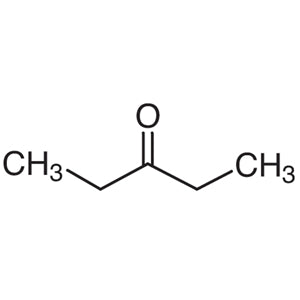
3-Pentanone TCI P0061
Regular price From Rp 505.050,00Regular price -
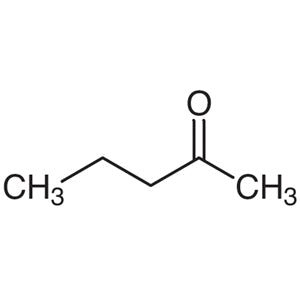
2-Pentanone TCI P0060
Regular price From Rp 477.750,00Regular price