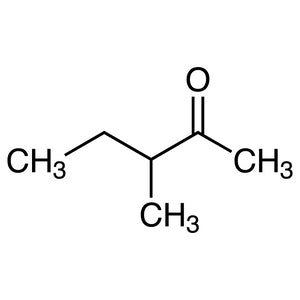
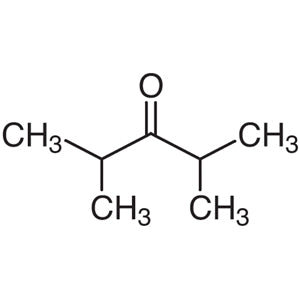
2-Bromo-3-pentanone is a chemical compound widely used as a building block in the synthesis of complex organic compounds. Its simple molecular structure plays a crucial role in various chemical reactions, particularly in substitution and electrophilic reactions. In laboratory settings, this compound is essential for constructing more intricate chemical structures, supporting research in new compound development and industrial chemical applications. Due to its stability and controlled reactivity, it is a reliable choice for chemists working in diverse experimental conditions.
This compound is favored for its solubility in organic solvents, which makes it highly versatile for use in different laboratory environments. Its predictable chemical behavior and ease of handling contribute to its popularity among researchers. The compound’s availability in various packaging sizes ensures convenience for both small-scale experiments and larger projects. These properties make it a practical and efficient material for chemical synthesis and experimentation.
In Indonesian laboratories, 2-Bromo-3-pentanone is extensively used in organic chemistry research, especially in pharmaceutical, material science, and analytical chemistry fields. Its reliability and effectiveness in chemical reactions make it an essential component of chemical supplies in both academic and industrial research settings. It supports a wide range of experimental needs, contributing to the advancement of scientific studies in Indonesia.
- Organic synthesis applications benefit from 2-Bromo-3-pentanone due to its reactivity and utility in forming complex molecular structures.
- Pharmaceutical research utilizes this compound for the development of new drugs and active pharmaceutical ingredients through targeted chemical modifications.
- Material science studies employ it as a precursor for creating novel polymers and functional materials with specific chemical properties.
- Analytical chemistry laboratories use it as a standard reference material for calibration and quality control processes.
- Industrial chemical production relies on this compound for the synthesis of intermediate compounds used in manufacturing processes.
| Brand | TCI |
|---|---|
| CAS number | 815-52-1 |
| Molecular formula | — |
| Purity | — |
| Category | Chemistry > Building Blocks > Non-Heterocyclic Building Blocks |
| Pack sizes | Available in various sizes to suit different laboratory needs |
| Physical form | Liquid |
| Storage | Store in a cool, dry place away from direct sunlight |
2-Bromo-3-pentanone should be stored in a cool, dry place, away from direct sunlight and sources of heat. It is recommended to use airtight containers to prevent contamination and evaporation. The compound is typically stored in glass or polyethylene containers to ensure chemical stability. Due to its reactivity, it should be handled in a well-ventilated area, and appropriate personal protective equipment should be worn. Regular monitoring of storage conditions is essential to maintain the integrity of the compound. Proper labeling and safe handling practices are crucial to ensure the safety of laboratory personnel and the accuracy of experimental results.
—
Produk Terkait
-
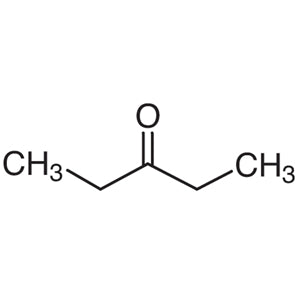
3-Pentanone TCI P0061
Regular price From Rp 505.050,00Regular priceRp 352.800,00Sale price From Rp 505.050,00 -
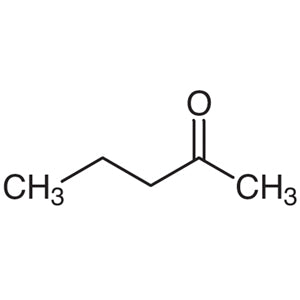
2-Pentanone TCI P0060
Regular price From Rp 477.750,00Regular priceRp 333.900,00Sale price From Rp 477.750,00 -
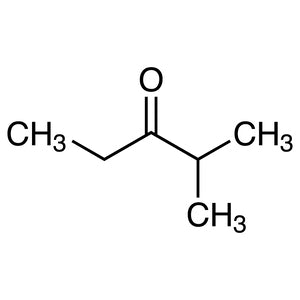
2-Methyl-3-pentanone TCI M1249
Regular price From Rp 823.200,00Regular priceRp 575.400,00Sale price From Rp 823.200,00 -
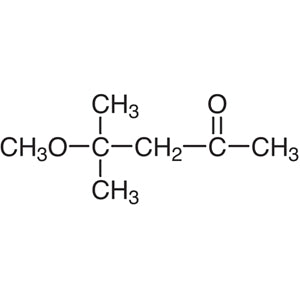
4-Methoxy-4-methyl-2-pentanone TCI M0652
Regular price From Rp 610.050,00Regular priceRp 442.050,00Sale price From Rp 610.050,00 -
3-Methyl-2-pentanone TCI M0388
Regular price From Rp 2.016.000,00Regular priceRp 1.409.100,00Sale price From Rp 2.016.000,00 -
5-Hydroxy-2-pentanone(mixtureofmonomeranddimer) TCI H0511
Regular price From Rp 2.227.050,00Regular priceRp 1.557.150,00Sale price From Rp 2.227.050,00 -
2,4-Dimethyl-3-pentanone TCI D0770
Regular price From Rp 637.350,00Regular priceRp 445.200,00Sale price From Rp 637.350,00