4-Methoxy-4-methyl-2-pentanone is a versatile organic compound widely used in laboratory settings for its utility in synthetic chemistry. As a building block, it plays a crucial role in the construction of more complex organic molecules. Its molecular structure allows it to participate in various chemical reactions, making it an essential component in the toolkit of synthetic chemists. This compound is particularly valued for its ability to serve as a precursor in the synthesis of a wide range of functional groups and derivatives.
The compound’s stability and controlled reactivity make it a preferred choice for laboratory applications. Its non-polar nature enables it to dissolve in common organic solvents such as ethyl acetate and chloroform, enhancing its solubility and reactivity in different reaction conditions. This property allows it to be used in a variety of synthetic pathways, including substitution and oxidation reactions. Additionally, its chemical stability under certain conditions ensures that it remains effective over extended periods, reducing the need for frequent replenishment.
In Indonesian laboratories, 4-Methoxy-4-methyl-2-pentanone is commonly used in organic chemistry research, especially in the synthesis of complex compounds and the development of new chemical entities. Its availability and reliability make it a go-to reagent for researchers working on diverse chemical projects. The compound’s adaptability and functional versatility contribute to its widespread use in both academic and industrial research settings.
- Organic synthesis: This compound is ideal for organic synthesis due to its ability to participate in various functional group transformations and its compatibility with a wide range of reagents.
- Reagent for substitution reactions: Its non-polar nature and reactivity make it suitable for substitution reactions where functional group replacement is required.
- Oxidation processes: It can be used in oxidation reactions to modify molecular structures and introduce new functionalities.
- Solvent compatibility: The compound’s solubility in organic solvents makes it useful in reactions requiring specific solvent environments.
- Research in chemical development: It is frequently used in research projects focused on the creation of new chemical compounds and materials.
| Brand | TCI |
|---|---|
| CAS number | 107-70-0 |
| Molecular formula | — |
| Purity | — |
| Category | Chemistry > Building Blocks > Non-Heterocyclic Building Blocks |
| Pack sizes | Available in various quantities as per supplier offerings |
| Physical form | Liquid |
| Storage | Store in a cool, dry place away from light and incompatible substances |
This compound should be stored in a cool, dry place, away from direct sunlight and sources of heat. It is recommended to use airtight containers to prevent exposure to moisture and air, which could affect its stability. Due to its non-polar nature, it is advisable to store it in a well-ventilated area to minimize the risk of inhalation. Always handle with care, using appropriate personal protective equipment such as gloves and safety goggles. Ensure that the storage area is free from incompatible materials to prevent any potential chemical interactions. Regular monitoring of storage conditions is essential to maintain the compound’s integrity and usability in laboratory applications.
—
Produk Terkait
-
2-Bromo-3-pentanone TCI B4648
Regular price From Rp 4.213.650,00Regular price -
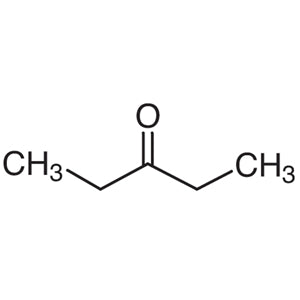
3-Pentanone TCI P0061
Regular price From Rp 505.050,00Regular price -
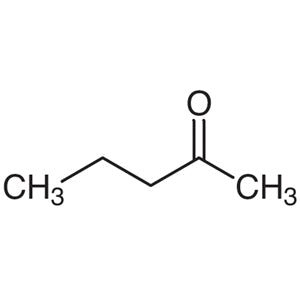
2-Pentanone TCI P0060
Regular price From Rp 477.750,00Regular price -
2-Methyl-3-pentanone TCI M1249
Regular price From Rp 823.200,00Regular price -
4-Methyl-2-pentanone TCI M0389
Regular price From Rp 477.750,00Regular price -
3-Methyl-2-pentanone TCI M0388
Regular price From Rp 2.016.000,00Regular price -
5-Hydroxy-2-pentanone(mixtureofmonomeranddimer) TCI H0511
Regular price From Rp 2.227.050,00Regular price -
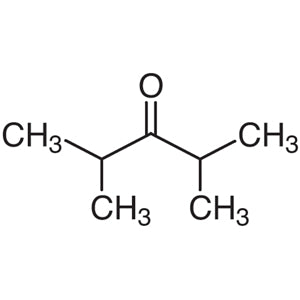
2,4-Dimethyl-3-pentanone TCI D0770
Regular price From Rp 637.350,00Regular price