TCI H0516 1-Hydroxyindan, also known as 1-indanol, is a benzylic secondary alcohol built on an indane skeleton — a benzene ring fused to a cyclopentane ring. The hydroxyl group sits on the carbon directly adjacent to the aromatic ring, which makes that position both a stereogenic centre and a reactive site. In organic synthesis laboratories, this compound serves as a frequently used building block for preparing indane derivatives, as a model substrate in asymmetric reduction studies, and as a starting material on the route to various pharmaceutical intermediates based on bicyclic frameworks.
The characteristic that makes this compound a preferred choice is its benzylic nature. That position allows the hydroxyl group to be oxidised back to the corresponding indanone with relative ease, to be converted readily into a leaving group for substitution reactions, and to stabilise positively charged intermediates in ionisation reactions. The presence of a chiral centre also makes the compound a standard substrate for evaluating the performance of catalysts and enzymes in kinetic resolution and enantioselective reduction. The rigid indane skeleton provides a well-defined geometry, so the outcomes of stereochemical experiments are easier to interpret.
In Indonesian laboratories, 1-hydroxyindan is typically used in university and institutional organic chemistry research groups, in synthetic method development work, and in pharmaceutical research programmes that require bicyclic intermediates. It is generally handled at bench scale within a fume hood, using standard glassware and routine anhydrous or inert-atmosphere techniques where the following reaction step requires them. AMI Scientific supplies this item as a TCI catalogue product for such research and development applications.
- Synthesis of indane derivatives — the benzylic hydroxyl provides a convenient handle for further functionalisation, allowing the indane core to be elaborated into a wide range of target structures.
- Model substrate in asymmetric reduction studies — the defined stereogenic centre lets researchers measure enantioselectivity directly and benchmark new reduction methods against a well-understood reference compound.
- Catalyst and enzyme evaluation in kinetic resolution — the chiral benzylic alcohol is a standard test substrate for assessing how effectively a catalyst or enzyme differentiates between the two enantiomers.
- Starting material for pharmaceutical intermediates — the bicyclic framework corresponds to structural motifs found in many drug candidates, making this a practical entry point for medicinal chemistry routes.
- Oxidation chemistry and substitution studies — the benzylic position is readily oxidised back to the indanone and readily converted into a leaving group, supporting mechanistic and methodology investigations.
| Brand | TCI (Tokyo Chemical Industry) |
|---|---|
| CAS number | 6351-10-6 |
| Molecular formula | — |
| Purity | — |
| Category | Chemistry > Building Blocks > Non-Heterocyclic Building Blocks |
| Pack sizes | available in the standard TCI catalogue pack sizes; please confirm the pack size when ordering |
| Physical form | — |
| Storage | store under the conditions stated on the manufacturer's label and safety data sheet |
- Catalogue number: H0516
Store the container tightly closed in a cool, dry, well-ventilated chemical store, away from direct sunlight, heat sources, and strong oxidising agents. Keep the material in its original manufacturer's container wherever possible; if transfer is necessary, use compatible glass or other chemically resistant containers that are clearly labelled. As a benzylic alcohol, the compound can be susceptible to oxidation, so minimise unnecessary exposure to air and close the container promptly after use. Handle in a fume hood using appropriate personal protective equipment, including safety glasses, gloves, and a laboratory coat. Always consult the manufacturer's safety data sheet before use, and follow institutional procedures for chemical waste disposal.
—
Produk Terkait
-
2-Hydroxyindan TCI H0517
Regular price Rp 1.829.100,00Regular price -
5-Hydroxyindan TCI H0251
Regular price From Rp 2.094.750,00Regular price -
1,2-Dihydroxyindan TCI D3311
Regular price From Rp 689.850,00Regular price -
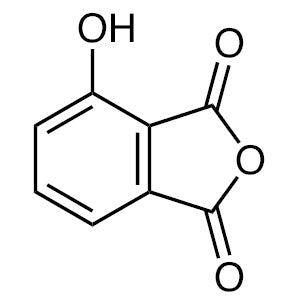
4-Hydroxyisobenzofuran-1,3-dione TCI H1799
Regular price From Rp 1.776.600,00Regular price -
4-Hydroxyisophthalaldehyde TCI F0310
Regular price From Rp 3.127.950,00Regular price -
5-tert-Butyl-2-hydroxyisophthalaldehyde TCI D6113
Regular price From Rp 3.127.950,00Regular price -
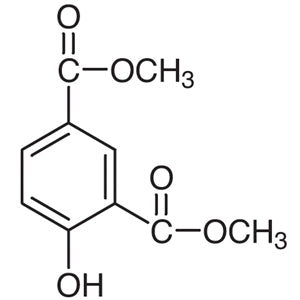
Dimethyl4-Hydroxyisophthalate TCI D3562
Regular price From Rp 1.458.450,00Regular price -
5-Hydroxyindole-3-aceticAcid TCI H0355
Regular price Rp 2.041.200,00Regular price