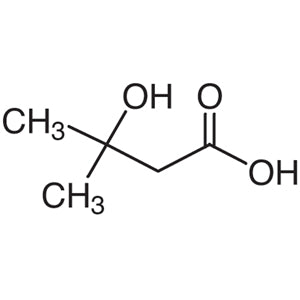
Beta-Hydroxyisovaleric Acid (BHIVA), also known as TCI H0701 625-08-1, is a chemical compound widely used as a building block in organic synthesis. It plays a crucial role in laboratories by serving as a versatile intermediate that can participate in various chemical reactions. Its ability to form functional groups makes it an essential component in the development of complex molecules, particularly in the synthesis of heterocyclic compounds. This compound is highly valued for its adaptability and reactivity, enabling chemists to create a wide range of derivatives with specific chemical and biological properties.
One of the key properties that make BHIVA a preferred choice is its molecular structure, which is both simple and flexible. This allows it to undergo multiple reaction types, including esterification, hydrolysis, and reactions with activating agents. Its chemical stability under standard laboratory conditions further enhances its usability, ensuring consistent results during experiments. Additionally, BHIVA is compatible with a variety of reagents and solvents, making it a reliable material for synthetic processes in both academic and industrial settings.
In Indonesian laboratories, BHIVA is commonly used in organic chemistry, pharmaceutical research, and chemical material development. Its role in creating new compounds with specific biological activities makes it a valuable tool for researchers working on drug discovery and chemical innovation. The compound's reliability and versatility have made it a standard component in many laboratory workflows, supporting both fundamental and applied research.
- Organic synthesis is a primary application where BHIVA is used to build complex molecules due to its reactivity and compatibility with various functional groups.
- Pharmaceutical research benefits from BHIVA as it is used in the development of compounds with specific biological activities, aiding in drug discovery.
- Chemical material development relies on BHIVA for creating new materials with tailored properties, supporting industrial and academic innovation.
- Analytical chemistry uses BHIVA as a standard reference material for testing and validating chemical processes and reaction mechanisms.
- Environmental studies incorporate BHIVA to study the behavior of organic compounds in different chemical environments, aiding in pollution control and remediation efforts.
| Brand | TCI |
|---|---|
| CAS number | 625-08-1 |
| Molecular formula | — |
| Purity | — |
| Category | Chemistry > Building Blocks > Non-Heterocyclic Building Blocks |
| Pack sizes | Available in various quantities as per standard laboratory supply |
| Physical form | Solid, white or off-white crystalline powder |
| Storage | Store in a cool, dry place away from moisture and direct sunlight |
BHIVA should be stored in a cool, dry environment to maintain its chemical stability and prevent degradation. It is recommended to keep the compound in airtight containers to minimize exposure to moisture and air, which can affect its reactivity. Laboratory personnel should handle BHIVA with care, using appropriate personal protective equipment such as gloves and safety goggles to ensure safety during handling. The compound is generally non-hazardous under normal conditions but should be stored separately from incompatible substances to avoid any potential chemical interactions. Proper labeling of storage containers is essential to ensure safe handling and prevent accidental misuse in the laboratory.
—
Produk Terkait
-
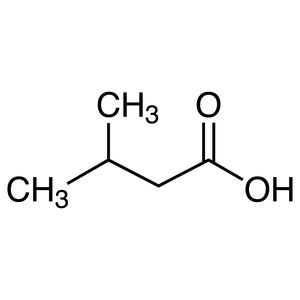
IsovalericAcid TCI M0182
Regular price Rp 505.050,00Regular price -
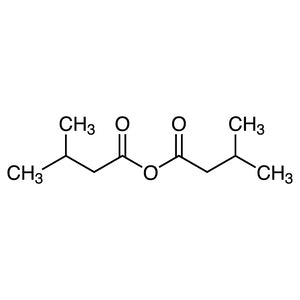
IsovalericAnhydride TCI I0199
Regular price From Rp 980.700,00Regular price -
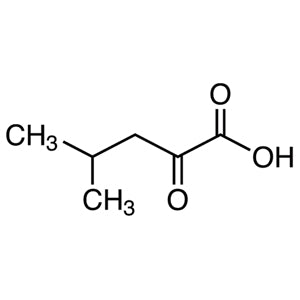
4-Methyl-2-oxovalericAcid TCI K0025
Regular price Rp 4.877.250,00Regular price -
3-Methyl-2-oxovalericAcid TCI K0020
Regular price From Rp 5.247.900,00Regular price -
2-OxovalericAcid TCI K0015
Regular price From Rp 4.479.300,00Regular price -
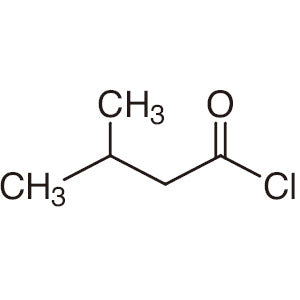
IsovalerylChloride TCI I0200
Regular price From Rp 769.650,00Regular price -
2-HydroxyisobutyricAcid TCI M0360
Regular price From Rp 1.273.650,00Regular price -
4-Hydroxyisobenzofuran-1,3-dione TCI H1799
Regular price From Rp 1.776.600,00Regular price