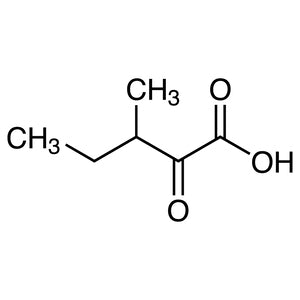
3-Methyl-2-oxovaleric Acid is a versatile chemical compound widely used in organic synthesis as a building block for creating complex molecular structures. Its reactivity and structural simplicity make it an essential tool in laboratory settings, particularly for those working on organic chemistry research. This compound plays a key role in the development of various organic compounds, including those with heterocyclic or alkyl chain structures. Due to its ability to participate in multiple reaction types, it is a valuable asset in synthetic chemistry workflows.
The compound’s chemical properties, such as its reactivity in substitution, esterification, and redox reactions, make it a preferred choice for researchers. Its stability under controlled conditions ensures safe handling and reliable results during synthesis. The availability of this compound in standard laboratory quantities further enhances its appeal for both academic and industrial applications. Its affordability and widespread use in chemical research contribute to its popularity among scientists and students alike.
In Indonesian laboratories, 3-Methyl-2-oxovaleric Acid is commonly used in organic chemistry research, especially in academic institutions and research centers. It is a staple in synthetic chemistry experiments, supporting the development of new compounds and the modification of existing molecular structures. Its role in educational settings also makes it an important material for training the next generation of chemists.
- Organic synthesis for creating complex molecular structures due to its reactivity and structural versatility.
- Esterification reactions as a key intermediate in the formation of ester compounds.
- Redox reactions where its chemical properties facilitate electron transfer processes.
- Substitution reactions for modifying functional groups in organic molecules.
- Structural modification of heterocyclic compounds in synthetic chemistry applications.
| Brand | TCI |
|---|---|
| CAS number | 1460-34-0 |
| Molecular formula | — |
| Purity | — |
| Category | Chemistry > Building Blocks > Non-Heterocyclic Building Blocks |
| Pack sizes | Available in standard laboratory quantities |
| Physical form | Solid |
| Storage | Store in a cool, dry place away from direct sunlight |
This compound should be stored in a cool, dry environment to maintain its chemical stability. It is recommended to keep it in a tightly sealed container to prevent moisture absorption and contamination. Due to its reactivity, it should be handled with appropriate personal protective equipment, including gloves and safety goggles. Avoid exposure to heat or direct sunlight to prevent degradation. Proper ventilation is essential when working with this material to ensure safe laboratory practices. Always follow standard chemical handling procedures to minimize risks during use and storage.
—
Produk Terkait
-
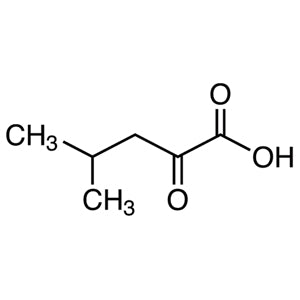
4-Methyl-2-oxovalericAcid TCI K0025
Regular price Rp 4.877.250,00Regular price -
2-OxovalericAcid TCI K0015
Regular price From Rp 4.479.300,00Regular price -
5-BromovalericAcid TCI B1169
Regular price Rp 1.035.300,00Regular price -
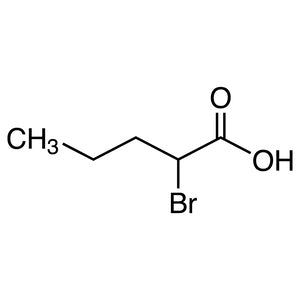
2-BromovalericAcid TCI B0667
Regular price From Rp 1.246.350,00Regular price -
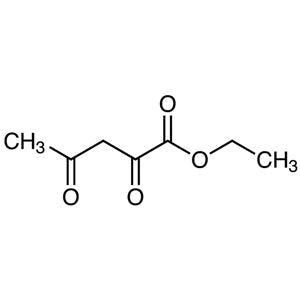
Ethyl2,4-Dioxovalerate TCI R0165
Regular price From Rp 1.565.550,00Regular price -
Methyl4,4-Dimethyl-3-oxovalerate TCI P1031
Regular price From Rp 3.075.450,00Regular price -
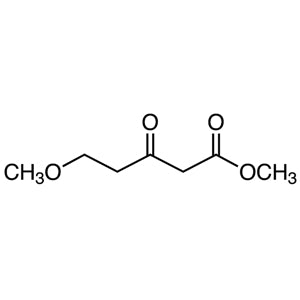
Methyl5-Methoxy-3-oxovalerate TCI M0812
Regular price Rp 4.849.950,00Regular price -
IsovalericAcid TCI M0182
Regular price Rp 505.050,00Regular price