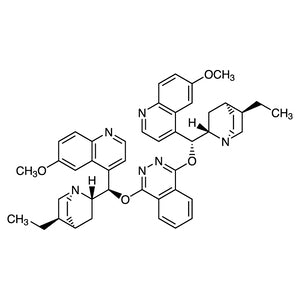
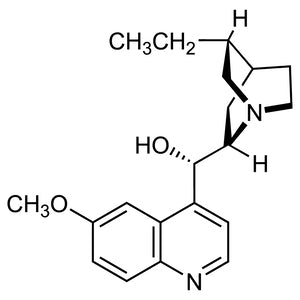
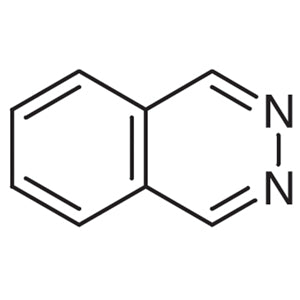
Hydroquinidine, with the CAS number 140853-10-7, is an organic compound widely used in various chemical reactions, particularly in the fields of catalysis and organic chemistry. As a key component in catalytic processes, it plays a vital role in accelerating and directing chemical reactions with precision. This compound is known for its unique chemical structure, which allows it to function as both a catalyst and a reagent in specific reactions. Its versatility makes it an essential material for researchers aiming to achieve controlled and efficient chemical transformations.
The properties of Hydroquinidine make it a preferred choice in laboratory settings. It exhibits good solubility in organic solvents, which facilitates its use in a wide range of chemical processes. Additionally, its chemical stability under controlled conditions ensures reliable performance in experimental applications. However, it is sensitive to uncontrolled environments, which necessitates careful handling and storage. These characteristics make it suitable for use in both academic and industrial research environments where precision and consistency are critical.
In Indonesian laboratories, Hydroquinidine is commonly used in scientific research across multiple disciplines, including pharmaceuticals, organic chemistry, and catalysis. Its availability and reliable quality make it a popular choice among researchers. The compound is particularly valued for its ability to enhance reaction efficiency and support the development of new chemical methodologies. Its role in advancing scientific research is well-recognized in the Indonesian scientific community.
TCI brochures (PDF)
- Asymmetric Organocatalysts 2025-06-12 · p. 9
Related TCI products
- TCI H1115 140924-50-1 Hydroquinine 1,4-Phthalazinediyl Diether
- TCI H1918 1435-55-8 Hydroquinidine
- TCI H0752 1476-98-8 Hydroquinidine Hydrochloride
- TCI D6112 522-66-7 (-)-Dihydroquinine
- TCI B6307 61722-28-9 Bisphenol A Polypropylene Glycol Diether Diacrylate (m+n=approx. 3) (stabilized with MEHQ)
- TCI B6290 64401-02-1 Bisphenol A Polyethylene Glycol Diether Diacrylate (m+n=approx. 10) (stabilized with MEHQ)
- Pharmaceutical research utilizes Hydroquinidine for the development of new drugs due to its ability to participate in complex chemical reactions.
- Organic chemistry experiments benefit from Hydroquinidine's solubility and reactivity, enabling efficient synthesis of target compounds.
- Catalytic processes in chemical synthesis rely on Hydroquinidine's role as a catalyst, improving reaction rates and selectivity.
- Analytical chemistry applications use Hydroquinidine as a standard for qualitative and quantitative analysis in various solvent systems.
- Environmental studies incorporate Hydroquinidine to investigate its behavior in different chemical environments and its impact on reaction pathways.
| Brand | TCI |
|---|---|
| CAS number | 140853-10-7 |
| Molecular formula | — |
| Purity | — |
| Category | Chemistry > Catalysis and Inorganic Chemistry > Organocatalysts [Catalysis] |
| Pack sizes | Available in various quantities as per supplier specifications |
| Physical form | Solid (as per standard product description) |
| Storage | Store in a cool, dry place away from light and moisture |
Hydroquinidine should be stored in a cool, dry place, away from light and moisture to maintain its chemical stability. It is recommended to use airtight containers made of glass or inert plastic to prevent contamination and exposure to air. Due to its sensitivity to uncontrolled environments, it should be handled with care, using appropriate personal protective equipment such as gloves and safety goggles. In laboratory settings, it is important to ensure proper ventilation and to follow standard safety protocols when working with this compound. Regular monitoring of storage conditions is essential to preserve its effectiveness and ensure safe usage in research applications.
—
Produk Terkait
-
Hydroquinine1,4-PhthalazinediylDiether TCI H1115
Regular price From Rp 1.193.850,00Regular price -
Hydroquinidine TCI H1918
Regular price From Rp 1.644.300,00Regular price -
HydroquinidineHydrochloride TCI H0752
Regular price Rp 2.757.300,00Regular price -
(-)-Dihydroquinine TCI D6112
Regular price From Rp 2.094.750,00Regular price -
BisphenolAPolypropyleneGlycolDietherDiacrylate(m+n=approx.3)(stabilizedwithMEHQ) TCI B6307
Regular price From Rp 1.458.450,00Regular price -
BisphenolAPolyethyleneGlycolDietherDiacrylate(m+n=approx.10)(stabilizedwithMEHQ) TCI B6290
Regular price From Rp 2.359.350,00Regular price -
BisphenolAPolyethyleneGlycolDietherDiacrylate(m+n=approx.3)(stabilizedwithMEHQ) TCI B6289
Regular price From Rp 2.094.750,00Regular price -
Phthalazine TCI P0694
Regular price From Rp 1.590.750,00Regular price