(R)-9-(2-Hydroxypropyl)adenine is a chemical compound widely used in pharmacological research and drug development. It serves as a key building block in the synthesis of active pharmaceutical ingredients, particularly in the creation of compounds that interact with DNA or RNA. This compound plays a crucial role in enabling the construction of complex molecular structures, which is essential for the development of new drugs with specific biological activities. Its chemical structure is both intricate and stable under certain conditions, allowing for efficient and accurate synthesis processes in a laboratory setting.
The compound's reactivity makes it a preferred choice for various chemical reactions, including substitution, condensation, and redox reactions. Its ability to form bonds with different functional groups makes it an ideal candidate for organic chemistry and pharmacological research. This versatility allows researchers to explore a wide range of chemical modifications, enhancing the potential for discovering new therapeutic agents. Its stability and reactivity are critical factors in its widespread use across multiple research applications.
In Indonesian laboratories, (R)-9-(2-Hydroxypropyl)adenine is commonly used in drug discovery and pharmaceutical development projects. Researchers in pharmacology and biochemistry rely on this compound to design and test new compounds with targeted biological activities. Its role in building molecular frameworks supports the advancement of innovative drug therapies, making it an essential tool for scientific research in the region.
TCI brochures (PDF)
- Nucleosides, Nucleotides, Nucleic Acids and Related Reagents 2026-03-23 · p. 4
Related TCI products
- Drug discovery and development projects benefit from this compound's ability to form complex molecular structures, aiding in the synthesis of novel pharmaceutical compounds.
- Pharmacological research utilizes it as a building block for compounds that interact with nucleic acids, supporting studies on DNA and RNA-related mechanisms.
- Organic chemistry experiments leverage its reactivity and functional group compatibility for a wide range of chemical modifications and reactions.
- Biochemical studies incorporate it to design and test compounds with specific biological activities, contributing to therapeutic agent development.
- Research into nucleic acid interactions uses this compound to explore molecular mechanisms relevant to genetic and cellular processes.
| Brand | TCI |
|---|---|
| CAS number | 14047-28-0 |
| Molecular formula | — |
| Purity | — |
| Category | Chemistry > Pharmaceutical Development and Drug Discovery Research Reagents > Building Blocks for Pharmaceutical Ingredients |
| Pack sizes | As per manufacturer specifications |
| Physical form | Solid (as per standard product description) |
| Storage | Store in a cool, dry place away from light and moisture |
This compound should be stored in a cool, dry environment, away from direct light and moisture to maintain its stability and reactivity. It is recommended to use airtight containers to prevent exposure to air and humidity, which could affect its chemical integrity. Proper labeling of containers is essential for safe handling and to avoid cross-contamination. In a laboratory setting, personal protective equipment such as gloves and safety goggles should be worn when handling this compound to ensure safety. Due to its reactivity, it should be handled in a well-ventilated area to minimize any potential risks associated with chemical exposure. Following standard laboratory safety protocols is crucial for the safe use and storage of this compound.
—
Product Categories
Produk Terkait
-
9-(2-Hydroxyethyl)adenine TCI H1290
Regular price From Rp 1.749.300,00Regular price -
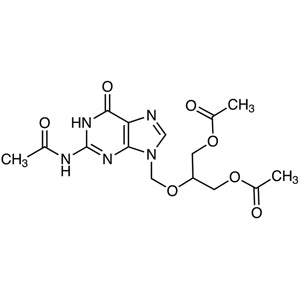
N-Acetyl-di-O-acetylganciclovir TCI A3228
Regular price Rp 1.458.450,00Regular price -
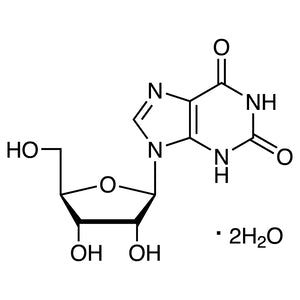
XanthosineDihydrate TCI X0008
Regular price Rp 1.115.100,00Regular price -
ValacyclovirHydrochloride TCI V0111
Regular price From Rp 2.094.750,00Regular price -
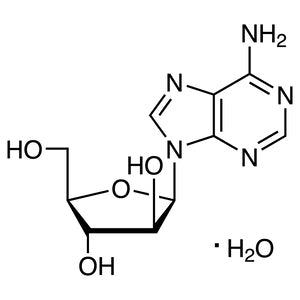
VidarabineMonohydrate TCI V0098
Regular price From Rp 3.658.200,00Regular price -
2',3',5'-Tri-O-acetyl-6-chloro-2-iodopurineRiboside TCI T2691
Regular price From Rp 6.520.500,00Regular price -
8-Bromoadenosine TCI B3795
Regular price From Rp 1.353.450,00Regular price -
N4-Benzoyl-3',5'-O-(1,1,3,3-tetraisopropyl-1,3-disiloxanediyl)cytidine TCI B3631
Regular price From Rp 2.439.150,00Regular price