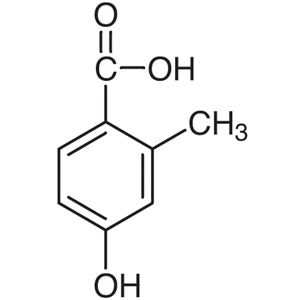
4-Hydroxy-2-methylbenzoic Acid is a substituted benzoic acid compound carrying both a hydroxyl group and a methyl group on its aromatic ring, which makes it a versatile building block in organic synthesis. In the laboratory, compounds of this kind serve as starting scaffolds that can be elaborated into more complex molecules through esterification, amidation, etherification, and coupling reactions. The presence of three distinct reactive points on a single small molecule gives researchers the flexibility to design efficient synthetic routes without having to begin from far simpler and more basic starting materials.
The properties that make this compound a preferred choice are its specific substitution pattern, which is difficult to construct independently from inexpensive basic feedstocks. The carboxyl group provides an anchoring point for the formation of esters and amides, the phenolic hydroxyl group allows selective alkylation or temporary protection, while the methyl group at the ortho position exerts steric and electronic influence that can direct subsequent reactions. As a solid, the compound is straightforward to weigh, to store, and to repurify by recrystallization when this becomes necessary at a later stage of a synthetic sequence.
In Indonesian laboratories, building blocks of this type are largely taken up by research groups working on organic synthesis, medicinal chemistry, and materials development, where a defined intermediate saves several preparative steps. They are typically ordered in small quantities for route development and method optimization rather than for preparative scale-up, so a reliably characterized commercial grade from an established catalogue supplier is normally preferred over an in-house preparation.
Related TCI products
- Organic synthesis route development, where the compound serves as a defined starting scaffold that removes several preparative steps a group would otherwise need to perform in-house.
- Esterification and amidation chemistry, since the carboxyl group offers a direct anchoring point for coupling to alcohols and amines under standard laboratory conditions.
- Selective etherification and protecting-group studies, because the phenolic hydroxyl group can be alkylated selectively or masked temporarily while other positions of the molecule are modified.
- Medicinal chemistry intermediate preparation, where the particular substitution pattern on the aromatic ring is otherwise difficult and time-consuming to construct from cheap basic feedstocks.
- Coupling reaction studies, where the ortho methyl group contributes steric and electronic effects that can be used deliberately to direct the outcome of subsequent transformations.
| Brand | TCI |
|---|---|
| CAS number | 578-39-2 |
| Molecular formula | — |
| Purity | — |
| Category | Chemistry > Building Blocks > Non-Heterocyclic Building Blocks |
| Pack sizes | available in the catalogue pack sizes offered by TCI for this item; please refer to the ordering options on this page |
| Physical form | solid, readily weighed and repurified by recrystallization when required |
| Storage | — |
- Catalogue code: H1311
Store the container tightly closed in a cool, dry place, away from direct sunlight, moisture, and incompatible materials, and follow the storage conditions stated on the manufacturer's label and safety data sheet for this item. Keep the material in its original supplier container or in a clean, chemically resistant and clearly labelled container, and reseal it promptly after each use to limit moisture uptake. Handle the solid in a well-ventilated area or fume hood, wear appropriate personal protective equipment including safety goggles, gloves, and a laboratory coat, and avoid raising dust during weighing and transfer. Dispose of waste and contaminated packaging in accordance with applicable institutional and local regulations.
—
Produk Terkait
-
2-Hydroxy-6-methylbenzoicAcid TCI M3737
Regular price From Rp 2.332.050,00Regular price -
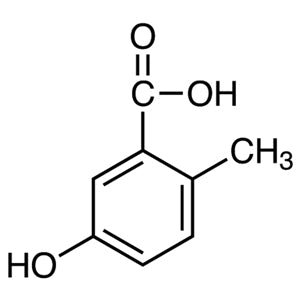
5-Hydroxy-2-methylbenzoicAcid TCI H1586
Regular price From Rp 903.000,00Regular price -
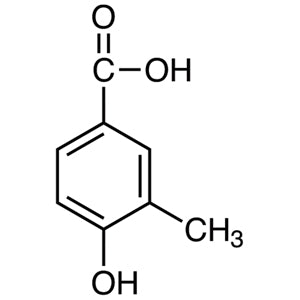
4-Hydroxy-3-methylbenzoicAcid TCI H1319
Regular price From Rp 1.378.650,00Regular price -
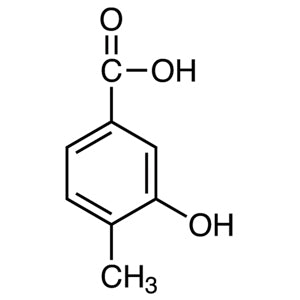
3-Hydroxy-4-methylbenzoicAcid TCI H0929
Regular price From Rp 769.650,00Regular price -
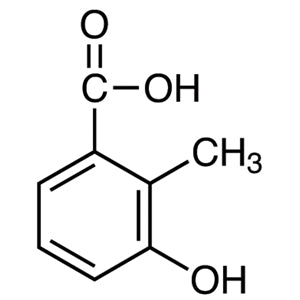
3-Hydroxy-2-methylbenzoicAcid TCI H0885
Regular price From Rp 477.750,00Regular price -
2-Bromo-5-methylbenzoicAcid TCI B4145
Regular price From Rp 1.510.950,00Regular price -
2-Bromo-6-methylbenzoicAcid TCI B4097
Regular price From Rp 1.431.150,00Regular price -
2-Bromo-4-methylbenzoicAcid TCI B3879
Regular price From Rp 795.900,00Regular price