2'-Hydroxy-3-phenylpropiophenone is an aromatic ketone that combines a phenolic hydroxyl group positioned ortho to the carbonyl with a phenylpropyl chain on the opposite side. Structures of this type are widely known as dihydrochalcones, a framework that serves as the starting point for a great deal of research into bioactive flavonoid-derived compounds. In the laboratory, this compound acts as a building block that is ready to be cyclized, condensed, or further modified in order to construct more complex ring systems within organic synthesis programmes.
Its principal appeal lies in the geometric relationship between the ortho hydroxyl group and the carbonyl, which allows an intramolecular hydrogen bond to form while simultaneously opening a reaction pathway toward cyclization into chromanone or flavanone frameworks. The ketone carbonyl remains reactive toward nucleophilic reagents and aldol condensation, while the twin aromatic rings confer good crystallinity, so that derivative products are comparatively straightforward to purify. As a solid that is stable under normal storage conditions, the compound is practical to handle in routine synthetic work.
In Indonesian laboratories, compounds built on the dihydrochalcone framework attract considerable interest, particularly within academic and research settings where flavonoid-related synthesis, natural product chemistry, and the preparation of intermediates for further study are ongoing themes. The material is typically drawn upon in university research groups and institutional synthesis laboratories that need a dependable non-heterocyclic building block for preparative work and method development.
Related TCI products
- Synthesis of chromanone and flavanone frameworks — the ortho hydroxyl and ketone carbonyl sit in the correct geometric relationship for intramolecular cyclization, giving direct access to these ring systems.
- Aldol and related condensation chemistry — the ketone carbonyl remains reactive toward condensation partners, allowing the carbon skeleton to be extended in a controlled and predictable fashion.
- Preparation of flavonoid-derived bioactive compound analogues — the dihydrochalcone framework is a recognized starting point for research programmes exploring structure and activity relationships in this compound class.
- Nucleophilic addition and carbonyl modification studies — the accessible ketone group accepts nucleophilic reagents, making the material useful for teaching and investigating fundamental carbonyl transformations.
- General non-heterocyclic building block work — good crystallinity from the twin aromatic rings means derivatives are comparatively easy to purify, which supports multi-step preparative synthesis campaigns.
| Brand | TCI |
|---|---|
| CAS number | 3516-95-8 |
| Molecular formula | — |
| Purity | — |
| Category | Chemistry > Building Blocks > Non-Heterocyclic Building Blocks |
| Pack sizes | please refer to the packaging options listed on this product page |
| Physical form | solid, stable under normal storage conditions |
| Storage | — |
- Catalogue code: H1313
Store the container tightly closed in a cool, dry place away from direct sunlight, excessive heat, and sources of ignition, following the storage conditions stated by the manufacturer on the product label and safety data sheet. Amber glass or the original supplier container is suitable, since it protects the material from light and moisture pickup during repeated use. Handle in a well-ventilated area or within a fume hood, and wear appropriate personal protective equipment including safety goggles, gloves, and a laboratory coat. Avoid generating dust when weighing the solid, and keep the container sealed when not in active use. Consult the manufacturer's safety data sheet before first handling the material.
—
Product Categories
Produk Terkait
-
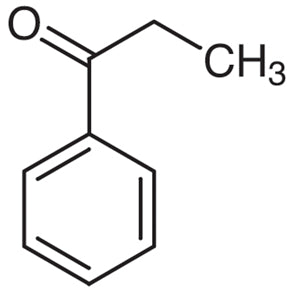
Propiophenone TCI P0519
Regular price From Rp 610.050,00Regular price -
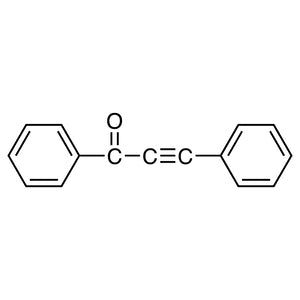
1,3-Diphenylprop-2-yn-1-one TCI D6145
Regular price Rp 6.042.750,00Regular price -
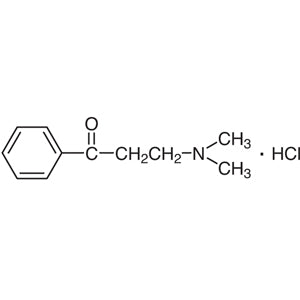
3-(Dimethylamino)propiophenoneHydrochloride TCI D2400
Regular price Rp 1.510.950,00Regular price -
3-(4-Bromophenyl)-1-phenylprop-2-en-1-one TCI B6397
Regular price Rp 4.929.750,00Regular price -
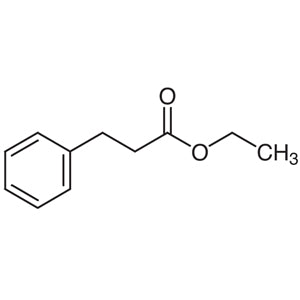
Ethyl3-Phenylpropionate TCI P1304
Regular price From Rp 1.510.950,00Regular price -
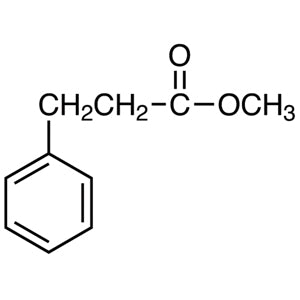
Methyl3-Phenylpropionate TCI M1786
Regular price Rp 2.016.000,00Regular price -
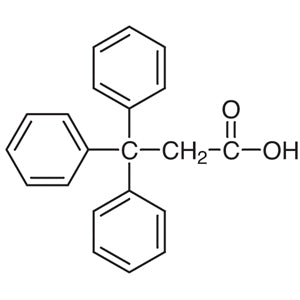
3,3,3-TriphenylpropionicAcid TCI T1558
Regular price From Rp 1.670.550,00Regular price -
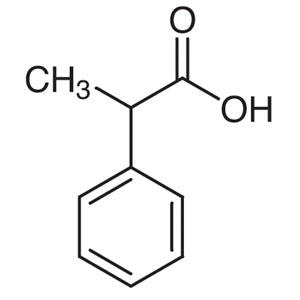
DL-2-PhenylpropionicAcid TCI P0699
Regular price From Rp 1.115.100,00Regular price