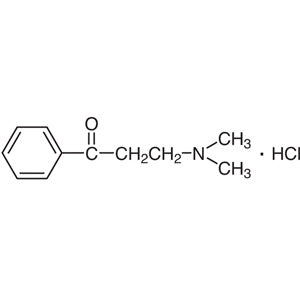
3-(Dimethylamino)propiophenone Hydrochloride is a chemical compound widely used as a building block in the synthesis of complex molecules. It plays a crucial role in organic chemistry by providing a versatile structural unit that can be modified through various chemical reactions. This compound is particularly valuable in laboratories where the development of new compounds, especially in pharmaceutical and material sciences, is a priority. Its ability to participate in multiple reaction types makes it a fundamental tool for researchers seeking to create novel chemical structures.
The compound is known for its chemical stability and reactivity, which are key factors in its popularity among chemists. Its flexible molecular structure allows it to undergo substitution, reduction, and oxidation reactions, making it adaptable to a wide range of synthetic strategies. The hydrochloride salt form enhances its solubility in aqueous solutions, facilitating its use in various reaction conditions. These properties make it a preferred choice for both academic and industrial research settings.
In Indonesian laboratories, this compound is commonly used for research and development purposes, especially in the fields of pharmacology, organic chemistry, and material science. Its application extends to drug synthesis and the creation of industrial chemicals, supporting innovation in both academic and applied research environments.
- Pharmaceutical synthesis for the development of new drug compounds due to its versatile reactivity and structural adaptability.
- Organic chemistry reactions in the creation of complex molecular structures because of its ability to participate in substitution and oxidation processes.
- Research on molecular structures and reactivity to understand chemical behavior in different environments.
- Industrial chemical synthesis for the production of specialty chemicals and materials.
- Drug development studies to explore new therapeutic agents through synthetic pathways.
| Brand | TCI |
|---|---|
| CAS number | 879-72-1 |
| Molecular formula | — |
| Purity | — |
| Category | Chemistry > Building Blocks > Non-Heterocyclic Building Blocks |
| Pack sizes | Available in various quantities as per standard laboratory supply options |
| Physical form | Solid powder |
| Storage | Store in a cool, dry place away from moisture and direct sunlight |
This compound should be stored in a cool, dry environment to maintain its chemical stability. It is recommended to use airtight containers to prevent exposure to moisture and air, which could affect its reactivity. Since it is a hydrochloride salt, it is soluble in water and may require careful handling in aqueous solutions. In laboratory settings, it should be kept away from incompatible substances to avoid unwanted chemical reactions. Proper labeling and storage conditions are essential to ensure safety and maintain the integrity of the compound during use and storage.
—
Produk Terkait
-
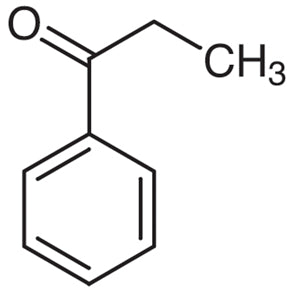
Propiophenone TCI P0519
Regular price From Rp 610.050,00Regular price -
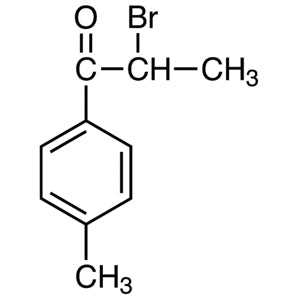
2-Bromo-4'-methylpropiophenone TCI B4781
Regular price Rp 2.016.000,00Regular price -
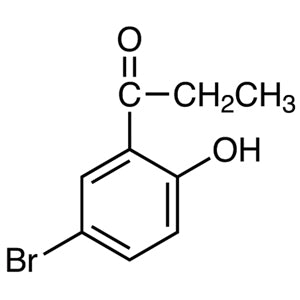
5'-Bromo-2'-hydroxypropiophenone TCI B4769
Regular price From Rp 1.008.000,00Regular price -
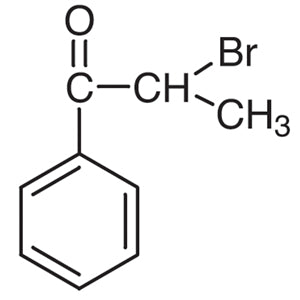
2-Bromopropiophenone TCI B2933
Regular price Rp 2.016.000,00Regular price -
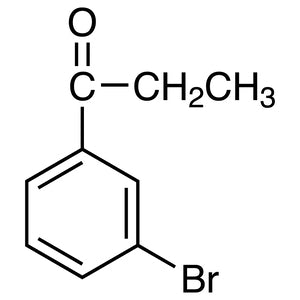
3'-Bromopropiophenone TCI B1888
Regular price From Rp 928.200,00Regular price -
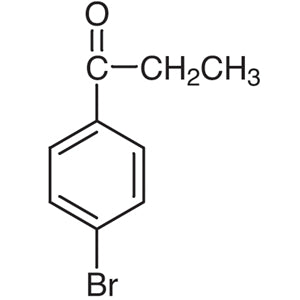
4'-Bromopropiophenone TCI B1887
Regular price Rp 1.618.050,00Regular price -
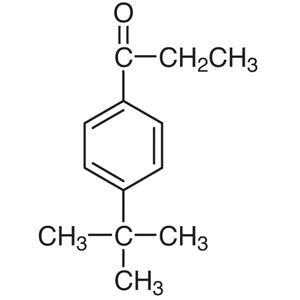
4'-tert-Butylpropiophenone TCI B1609
Regular price From Rp 1.988.700,00Regular price -
2',4',6'-Trihydroxypropiophenone TCI T0887
Regular price Rp 3.419.850,00Regular price