2-Bromo-4'-methylpropiophenone is a chemical compound widely used as a building block in the synthesis of complex organic compounds. Its versatility makes it a valuable tool in laboratory settings where high reactivity and functional group compatibility are essential. This compound is particularly useful in reactions that require the introduction of bromo and methyl substituents into aromatic structures, enabling the creation of a wide range of organic molecules. Its role in synthetic chemistry is critical, especially in the development of new compounds with specific functional properties.
The compound's reactivity stems from its molecular structure, which includes a bromo group and a methyl substituent. These functional groups allow it to participate in various chemical reactions, such as nucleophilic and electrophilic substitutions. Its ability to react with a variety of functional groups makes it a preferred choice for chemists aiming to design and synthesize new compounds with tailored properties. The combination of reactivity and structural flexibility enhances its utility in both academic and industrial research environments.
In Indonesian laboratories, 2-Bromo-4'-methylpropiophenone is commonly used in organic chemistry research, particularly in the fields of pharmaceuticals and materials science. Its availability and effectiveness in complex chemical reactions make it a go-to compound for researchers working on the development of new drugs and advanced materials. The compound's role in synthetic pathways is well-established, supporting a wide range of experimental applications.
Related TCI products
- Synthesis of aromatic compounds with bromo and methyl substituents due to its reactivity and functional group compatibility.
- Development of pharmaceutical compounds requiring specific structural features for drug efficacy and stability.
- Preparation of materials with tailored chemical properties for use in advanced polymer and composite research.
- Facilitation of nucleophilic and electrophilic substitution reactions in organic synthesis pathways.
- Support for research into new chemical structures that require precise functional group introduction and modification.
| Brand | TCI |
|---|---|
| CAS number | 1451-82-7 |
| Molecular formula | — |
| Purity | — |
| Category | Chemistry > Building Blocks > Non-Heterocyclic Building Blocks |
| Pack sizes | Available in various quantities as per standard laboratory supply options |
| Physical form | Liquid |
| Storage | Store in a cool, dry place away from light and incompatible substances |
This compound should be stored in a cool, dry environment, away from direct sunlight and sources of heat. It is recommended to use airtight containers made of materials that are chemically inert to prevent degradation or contamination. Due to its reactivity, it should be handled in a well-ventilated area, ideally under a fume hood, to minimize exposure. Avoid contact with moisture, strong oxidizing agents, and incompatible substances to ensure safety and maintain chemical integrity. Proper labeling and storage conditions are essential to prevent accidental use or exposure in a laboratory setting.
—
Produk Terkait
-
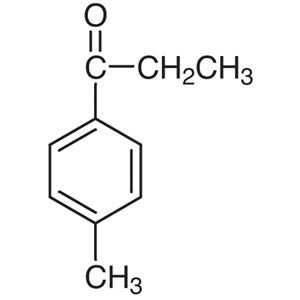
4'-Methylpropiophenone TCI M0768
Regular price From Rp 505.050,00Regular priceRp 352.800,00Sale price From Rp 505.050,00 -
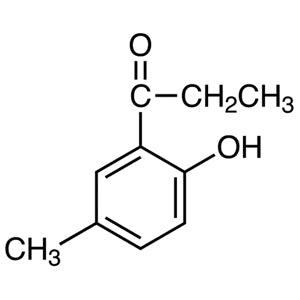
2'-Hydroxy-5'-methylpropiophenone TCI H1494
Regular price Rp 980.700,00Regular priceRp 701.400,00Sale price Rp 980.700,00 -
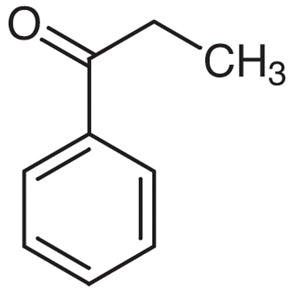
Propiophenone TCI P0519
Regular price From Rp 610.050,00Regular priceRp 426.300,00Sale price From Rp 610.050,00 -
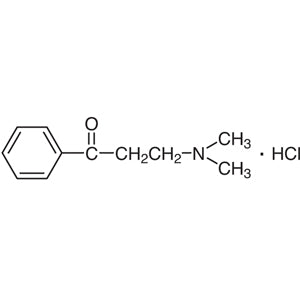
3-(Dimethylamino)propiophenoneHydrochloride TCI D2400
Regular price Rp 1.510.950,00Regular priceRp 1.056.300,00Sale price Rp 1.510.950,00 -
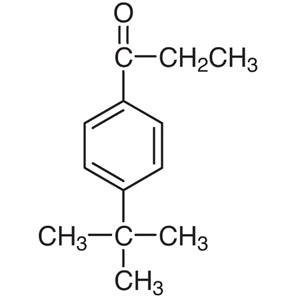
4'-tert-Butylpropiophenone TCI B1609
Regular price From Rp 1.988.700,00Regular priceRp 1.390.200,00Sale price From Rp 1.988.700,00 -
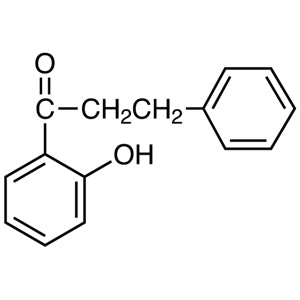
2'-Hydroxy-3-phenylpropiophenone TCI H1313
Regular price From Rp 530.250,00Regular priceRp 386.400,00Sale price From Rp 530.250,00