

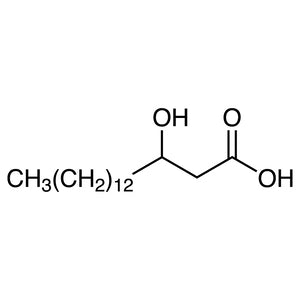
3-Hydroxyhexadecanoic Acid (CAS 2398-34-7), also known as 3-hydroxypalmitic acid, is a long-chain fatty acid carrying a hydroxyl group at the beta position. The compound holds particular significance in biochemistry because it is a structural component of the lipid A portion of Gram-negative bacterial lipopolysaccharide, and at the same time serves as one of the constituent monomers of polyhydroxyalkanoates produced by microorganisms as an energy reserve. In the laboratory, this compound is used as an analytical standard, as a reference in lipidomics studies, and as a test compound in microbial biochemistry research.
The property that makes it the preferred choice is its position as a specific chemical marker. 3-Hydroxy fatty acids are rarely found in mammalian tissue yet are abundant in Gram-negative bacterial cell walls, so measurement of their concentration can be used to estimate the presence of endotoxin in environmental samples, dust, or biological materials. The hydroxyl group at the beta position also confers additional reactivity compared with ordinary palmitic acid, allowing derivatisation into esters or silyl derivatives prior to gas chromatographic analysis. Its amphiphilic character, combining a long hydrocarbon chain with a polar head region, further supports its behaviour in lipid-based systems.
In Indonesian laboratories, this compound is typically handled in university biochemistry and microbiology departments, in research institute lipid analysis units, and in laboratories working on environmental and biological sample characterisation. It is commonly prepared as a stock solution for chromatographic work, weighed out in small quantities for standard curve preparation, or used as a reference material when method development requires a well-defined 3-hydroxy fatty acid for comparison against sample chromatograms.
Related TCI products
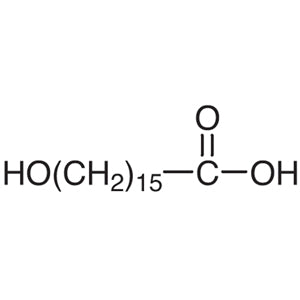
- TCI H0675 506-13-8 16-Hydroxyhexadecanoic Acid
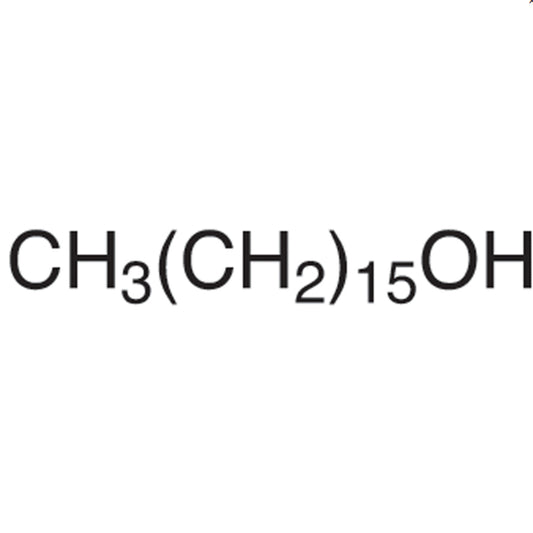
- TCI H0071 36653-82-4 1-Hexadecanol
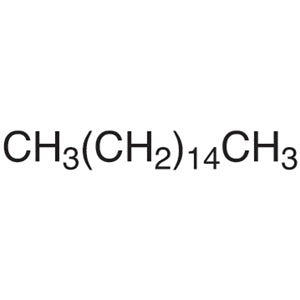
- TCI S0555 544-76-3 Reference Material for Flash Point Certified by The Japan Petroleum Institute, Hexadecane
- TCI S0288 544-76-3 Hexadecane [Standard Material for GC]
- TCI H0066 544-76-3 Hexadecane
- TCI U0146 56396-35-1 UK-5099
- Analytical standard preparation — provides a defined 3-hydroxy fatty acid reference for calibration curves, allowing analysts to quantify related compounds in unknown samples with confidence.
- Lipidomics profiling studies — serves as a known marker within complex lipid extracts, helping researchers assign peaks and validate identification when surveying fatty acid composition.
- Endotoxin marker estimation — because 3-hydroxy fatty acids are abundant in Gram-negative cell walls but rare in mammalian tissue, this compound supports indirect assessment of bacterial endotoxin presence in environmental, dust, or biological samples.
- Microbial biochemistry research — acts as a test compound in studies of lipid A structure and of polyhydroxyalkanoate biosynthesis, where it represents one of the monomer units microorganisms accumulate as energy reserve.
- Gas chromatography method development — the beta hydroxyl group permits derivatisation into ester or silyl forms, giving method developers a reactive, well-characterised substrate for optimising sample preparation before chromatographic separation.
| Brand | TCI |
|---|---|
| CAS number | 2398-34-7 |
| Molecular formula | — |
| Purity | — |
| Category | Life Science > Biochemicals and Reagents > Bioactive Compounds |
| Pack sizes | available in standard research-scale pack sizes as listed by the manufacturer |
| Physical form | — |
| Storage | store according to the manufacturer's stated conditions on the product label |
- Product code: H1854
Store the container tightly closed in a cool, dry place away from direct sunlight and sources of heat or ignition, following the storage temperature indicated on the manufacturer's label. Keep the material in its original container or in a chemically compatible sealed glass vessel, since long-chain fatty acids are best protected from moisture and from repeated exposure to air. Handle in a well-ventilated area or fume hood, wearing a laboratory coat, safety glasses, and suitable gloves. Use clean, dry spatulas when weighing to avoid contaminating the bulk material, and allow refrigerated containers to reach ambient temperature before opening to prevent condensation. Consult the manufacturer's safety data sheet before use and dispose of residues in accordance with applicable laboratory waste procedures.
—
Produk Terkait
-
16-HydroxyhexadecanoicAcid TCI H0675
Regular price From Rp 2.041.200,00Regular price -
1-Hexadecanol TCI H0071
Regular price From Rp 477.750,00Regular price -
ReferenceMaterialforFlashPointCertifiedbyTheJapanPetroleumInstitute,Hexadecane TCI S0555
Regular price Rp 4.161.150,00Regular price -
Hexadecane[StandardMaterialforGC] TCI S0288
Regular price Rp 2.094.750,00Regular price -
Hexadecane TCI H0066
Regular price From Rp 530.250,00Regular price -
UK-5099 TCI U0146
Regular price Rp 4.823.700,00Regular price -
4-(p-Tolylthio)thieno[2,3-c]pyridine-2-carboxamide TCI T3498
Regular price From Rp 4.213.650,00Regular price -
BTT3033 TCI B5415
Regular price Rp 10.124.100,00Regular price


![544-76-3 Hexadecane [Standard Material for GC] - AMI Scientific](http://amiscientific.com/cdn/shop/files/TCI2510S0288.jpg?v=1767138614&width=533)

![251992-66-2 4-(p-Tolylthio)thieno[2,3-c]pyridine-2-carboxamide - AMI Scientific](http://amiscientific.com/cdn/shop/files/TCI2510T3498.jpg?v=1767144174&width=533)
![251992-66-2 4-(p-Tolylthio)thieno[2,3-c]pyridine-2-carboxamide - AMI Scientific](http://amiscientific.com/cdn/shop/files/TCI2510T3498_ff83aa00-e77d-4427-92df-ae99a39bd777.jpg?v=1772425406&width=533)
