TCI I0001 Imidazole is a five-membered aromatic heterocyclic compound that contains two nitrogen atoms. The same ring structure appears in the amino acid histidine and in many drug molecules. Imidazole is one of the most widely used reagents in the laboratory, and it serves many different fields. Organic chemists use it as a catalyst and base in protection reactions. Biochemists rely on it for protein purification. Materials researchers use it as a starting material for ionic liquids and as a ligand for metal complexes.
Researchers choose imidazole because it is amphoteric. One nitrogen atom is basic and can accept a proton, and the other nitrogen carries a hydrogen that it can release. This combination makes imidazole an effective nucleophilic catalyst and a mild weak base that is not overly aggressive toward sensitive substrates. Because it closely resembles the histidine side chain, it can compete for nickel or cobalt ions on affinity resins. It also dissolves well in water and in many polar organic solvents, so solutions are easy to prepare for a wide range of procedures.
In Indonesian laboratories, imidazole is a routine material for biotechnology research groups that produce His-tagged recombinant proteins and need dependable reagents for affinity purification. University organic chemistry laboratories use it in synthesis and protecting-group work. Materials science groups investigating ionic liquids and coordination compounds also keep it on hand. Its use across so many disciplines makes it a practical reagent for shared research facilities, teaching laboratories and industrial R&D units throughout the country.
TCI brochures (PDF)
- Organic Linker Molecules for Metal Organic Frameworks (MOFs) 2026-05-11 · p. 5
- Ligands 2025-12-01 · p. 11
- Reagents for Glyco Chemistry & Biology 5th Edition · p. 141
Related TCI products
- Protecting-group chemistry: imidazole works as a nucleophilic catalyst and mild base in protection reactions, such as forming silyl ethers, without exposing sensitive substrates to harsh basic conditions.
- His-tagged protein purification: imidazole resembles the histidine side chain, so it competes for nickel or cobalt ions on affinity resins and is used to wash and elute recombinant proteins.
- Ionic liquid synthesis: the imidazole ring is a common starting structure for imidazolium-based ionic liquids, which materials researchers prepare for solvent, electrolyte and catalysis studies.
- Coordination chemistry: imidazole's basic nitrogen readily binds metal centres, so it is used as a ligand to prepare and study metal complexes in inorganic and bioinorganic research.
- Heterocyclic building block: researchers use imidazole as a building block for more complex heterocyclic molecules, including structures related to pharmaceutical compounds that contain the imidazole ring.
| Brand | TCI (product code I0001) |
|---|---|
| CAS number | 288-32-4 |
| Molecular formula | — |
| Purity | — |
| Category | Chemistry > Building Blocks > Heterocyclic Building Blocks |
| Pack sizes | see the product listing for the pack sizes currently offered |
| Physical form | solid |
| Storage | keep tightly closed in a cool, dry place, following the TCI label and Safety Data Sheet |
Store imidazole in its original, tightly closed container in a cool, dry, well-ventilated area. Keep it away from moisture, strong acids and strong oxidizing agents. If you transfer the material, use clean, well-sealed glass or chemically compatible plastic containers that are clearly labelled. Wear suitable gloves, safety glasses and a lab coat when handling it. Weigh the solid in a fume hood or ventilated area so you do not inhale dust or let it contact your skin or eyes. Read the TCI Safety Data Sheet before use, and dispose of waste according to institutional and local regulations.
—
Product Categories
- Organic-Inorganic Hybrid MaterialsMetal Organic Frameworks (MOF) and Their Raw MaterialsOrganic Linker Molecules [Metal Organic Frameworks (MOFs) Precursors]
- Polymer/Macromolecule ReagentsMetal Organic Frameworks (MOF) and Their Raw MaterialsOrganic Linker Molecules [Metal Organic Frameworks (MOFs) Precursors]
Produk Terkait
-
1,3,5-Tris[(1H-imidazol-1-yl)methyl]benzene TCI T3479
Regular price From Rp 2.597.700,00Regular priceRp 1.832.250,00Sale price From Rp 2.597.700,00 -
1,4-Diazabicyclo[2.2.2]octane TCI D0134
Regular price From Rp 557.550,00Regular priceRp 405.300,00Sale price From Rp 557.550,00 -
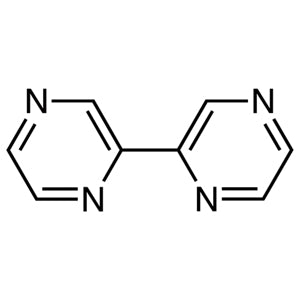
2,2'-Bipyrazine TCI B4297
Regular price From Rp 3.153.150,00Regular priceRp 2.220.750,00Sale price From Rp 3.153.150,00 -
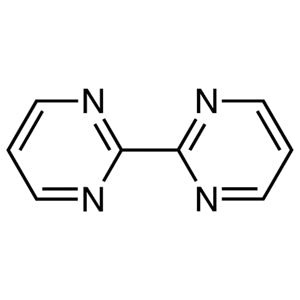
2,2'-Bipyrimidyl TCI B2496
Regular price From Rp 2.518.950,00Regular priceRp 1.776.600,00Sale price From Rp 2.518.950,00 -
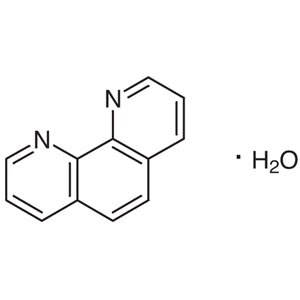
1,10-PhenanthrolineMonohydrate TCI P0221
Regular price From Rp 557.550,00Regular priceRp 405.300,00Sale price From Rp 557.550,00 -
Imidazole-2-carboxaldehyde TCI I0809
Regular price From Rp 822.150,00Regular priceRp 590.100,00Sale price From Rp 822.150,00 -
1-(p-Toluenesulfonyl)imidazole TCI T1985
Regular price From Rp 1.140.300,00Regular priceRp 812.700,00Sale price From Rp 1.140.300,00