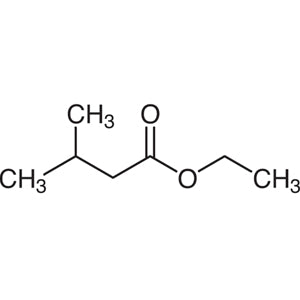
Ethyl Isovalerate (TCI I0194), with the CAS number 108-64-5, is a chemical compound widely used in laboratory settings for its versatility in organic synthesis and chemical compound development. As a building block in the field of chemistry, it serves as a fundamental component in the creation of more complex molecules. Its role is particularly significant in reactions involving esterification and hydrolysis, making it a valuable tool for chemists working on a wide range of synthetic pathways. This compound is essential for both research and industrial applications due to its chemical properties and reactivity.
Ethyl Isovalerate is known for its chemical stability and reactivity under specific conditions, which makes it an ideal choice for various laboratory processes. Its ability to participate in esterification and hydrolysis reactions allows it to be used in the synthesis of a variety of organic compounds. Additionally, its distinct aroma makes it suitable for applications in the fragrance and flavor industries. The compound is non-toxic and biodegradable, ensuring safe handling and disposal in laboratory environments. These properties contribute to its popularity among researchers and industrial chemists.
In Indonesian laboratories, Ethyl Isovalerate is commonly used in chemical research, the development of new chemical materials, and in the production of aromatic compounds and food additives. Its relevance extends to both academic and industrial settings, where it supports a wide range of chemical processes. Due to its chemical versatility and safety profile, it remains a key reagent in the chemical industry and educational institutions across Indonesia.
- Organic synthesis applications benefit from Ethyl Isovalerate due to its role in esterification and hydrolysis reactions, supporting the creation of complex organic molecules.
- Aroma and flavor development in the food industry utilizes Ethyl Isovalerate for its distinct scent, making it a key ingredient in fragrance and flavor compounds.
- Chemical research in Indonesian laboratories relies on Ethyl Isovalerate as a building block for synthesizing new compounds and studying molecular behavior.
- Industrial chemical production uses Ethyl Isovalerate as a raw material for manufacturing various chemical products, including solvents and ester-based compounds.
- Educational institutions incorporate Ethyl Isovalerate into their curriculum to teach students about ester chemistry and its practical applications in laboratory settings.
| Brand | TCI |
|---|---|
| CAS number | 108-64-5 |
| Molecular formula | — |
| Purity | — |
| Category | Chemistry > Building Blocks > Non-Heterocyclic Building Blocks |
| Pack sizes | Available in various quantities as per supplier specifications |
| Physical form | Liquid |
| Storage | Store in a cool, dry place away from direct sunlight |
Ethyl Isovalerate should be stored in a cool, dry place, away from direct sunlight and sources of heat. It is recommended to use airtight containers made of glass or polyethylene to prevent contamination and evaporation. Due to its chemical reactivity, it should be handled in a well-ventilated area to minimize exposure. Laboratory personnel should wear appropriate personal protective equipment, such as gloves and safety goggles, when handling this compound. Ethyl Isovalerate is non-toxic and biodegradable, but proper disposal methods should be followed to ensure environmental safety. Regular monitoring of storage conditions is essential to maintain the compound’s stability and effectiveness in laboratory applications.
—
Produk Terkait
-
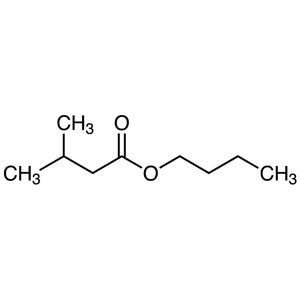
ButylIsovalerate TCI B3718
Regular price From Rp 610.050,00Regular price -
2-PhenylethylIsovalerate TCI P2009
Regular price Rp 557.550,00Regular price -
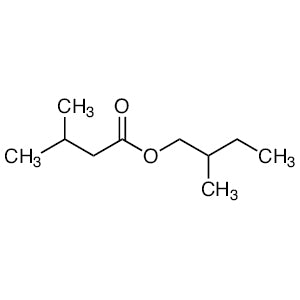
2-MethylbutylIsovalerate TCI M3283
Regular price From Rp 903.000,00Regular price -
p-TolylIsovalerate TCI I0397
Regular price Rp 4.028.850,00Regular price -
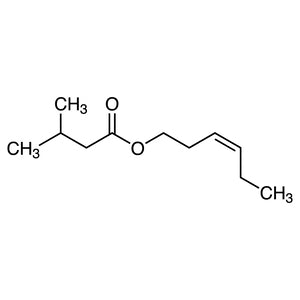
cis-3-HexenylIsovalerate TCI I0307
Regular price Rp 1.035.300,00Regular price -
MethylIsovalerate TCI I0198
Regular price From Rp 637.350,00Regular price -
IsoamylIsovalerate TCI I0196
Regular price From Rp 769.650,00Regular price -
Ethyl2-Bromoisovalerate TCI E0969
Regular price From Rp 584.850,00Regular price