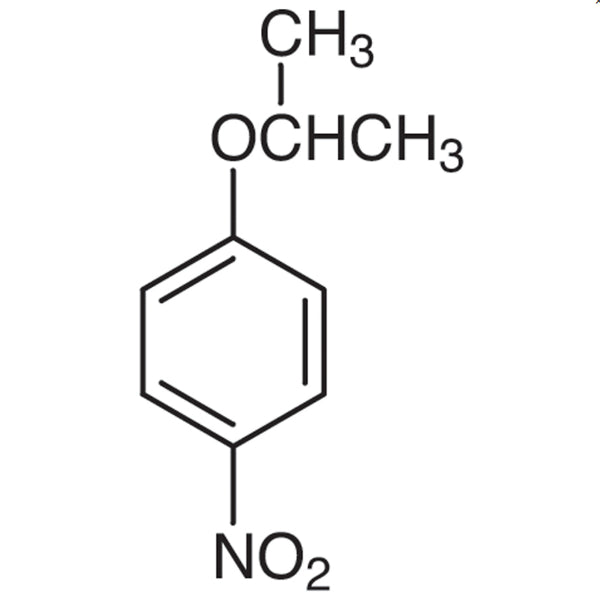
1-Isopropoxy-4-nitrobenzene is a chemical compound widely used as a building block in the synthesis of complex organic molecules. It belongs to the category of non-heterocyclic building blocks and is commonly found in chemical laboratories for its versatility and reactivity. This compound is essential in the development of pharmaceuticals, polymers, and other organic compounds that require controlled reactivity and functional group manipulation. Its aromatic structure, combined with the presence of nitro and isopropoxy groups, makes it a valuable reagent in various synthetic pathways.
The compound's stability and controlled reactivity make it a preferred choice for laboratory applications. It exhibits good solubility in organic solvents, which facilitates its use in purification and isolation processes. Its ability to participate in substitution and electrophilic reactions allows chemists to tailor its properties for specific synthetic needs. The predictable behavior of 1-Isopropoxy-4-nitrobenzene under different reaction conditions ensures reliable results in both academic and industrial settings.
In Indonesian laboratories, 1-Isopropoxy-4-nitrobenzene is frequently used in research related to organic chemistry, pharmaceutical development, and material science. Its availability and reliability make it a sought-after compound for researchers working on complex molecular structures. The compound's role in enabling the synthesis of high-reactivity compounds supports its importance in both academic and applied research environments.
Related TCI products
- TCI N0373 15440-98-9 1-Hexyloxy-4-nitrobenzene
- TCI H0435 13565-36-1 1-Heptyloxy-4-nitrobenzene
- TCI D2029 65039-18-1 1-Dodecyloxy-4-nitrobenzene
- TCI D1488 709-09-1 1,2-Dimethoxy-4-nitrobenzene
- TCI D0638 89-39-4 1,4-Dimethoxy-2-nitrobenzene
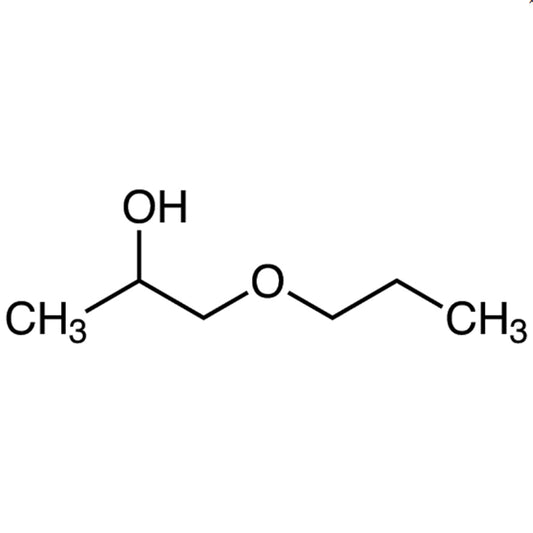
- TCI P2042 1569-01-3 1-Propoxy-2-propanol (contains 2-Isopropoxy-1-propanol)
- Organic synthesis is a key application where 1-Isopropoxy-4-nitrobenzene is used to create complex molecules with specific functional groups.
- Pharmaceutical research benefits from this compound as it is used in the development of drug molecules requiring precise structural modifications.
- Polymer science utilizes this reagent for the synthesis of materials with tailored chemical properties and reactivity.
- Analytical chemistry relies on its solubility and reactivity for the preparation of standard solutions and reaction intermediates.
- Material science applications involve the use of this compound in the creation of novel compounds with specific chemical functionalities.
| Brand | TCI |
|---|---|
| CAS number | 26455-31-2 |
| Molecular formula | — |
| Purity | — |
| Category | Chemistry > Building Blocks > Non-Heterocyclic Building Blocks |
| Pack sizes | Available in various quantities as per supplier specifications |
| Physical form | Liquid |
| Storage | Store in a cool, dry place away from direct sunlight |
This compound should be stored in a cool, dry place, away from direct sunlight and sources of heat. It is recommended to use airtight containers to prevent exposure to moisture and air. Due to its reactivity, it should be handled in a well-ventilated area, and appropriate personal protective equipment should be worn. Avoid contact with incompatible substances such as strong oxidizing agents. The compound is not flammable, but proper storage conditions are essential to maintain its stability and ensure safe handling in the laboratory environment.
—
Produk Terkait
-
1-Hexyloxy-4-nitrobenzene TCI N0373
Regular price Rp 3.021.900,00Regular price -
1-Heptyloxy-4-nitrobenzene TCI H0435
Regular price Rp 3.525.900,00Regular price -
1-Dodecyloxy-4-nitrobenzene TCI D2029
Regular price Rp 3.100.650,00Regular price -
1,2-Dimethoxy-4-nitrobenzene TCI D1488
Regular price Rp 1.273.650,00Regular price -
1,4-Dimethoxy-2-nitrobenzene TCI D0638
Regular price From Rp 689.850,00Regular price -
1-Propoxy-2-propanol(contains2-Isopropoxy-1-propanol) TCI P2042
Regular price From Rp 477.750,00Regular price -
1-Isopropoxy-2-propanol TCI I1084
Regular price From Rp 2.147.250,00Regular price -
4-IsopropoxybenzenesulfonylChloride TCI I0802
Regular price From Rp 2.597.700,00Regular price