TCI I0724 D-Iditol is a six-carbon sugar alcohol (hexitol) representing the reduced form of a hexose sugar with the idose configuration. This compound belongs to the class of rare sugars that are seldom found in abundance in nature, which makes its availability in pure form particularly valuable for laboratories working in the field of glycoscience. In laboratory settings, D-iditol generally serves as a reference standard for the identification and quantification of polyols, as a substrate for studying sugar-processing enzymes, and as a chiral starting material in the synthesis of polyhydroxy compounds that require specific stereochemical patterns difficult to construct synthetically.
The characteristics that make this compound a preferred choice centre on its open-chain backbone bearing six hydroxyl groups, which gives it a unique stereochemical configuration distinct from the more common sorbitol and mannitol. This difference in spatial arrangement is precisely what makes it valuable as a comparator in studies of enzyme specificity, such as those involving polyol dehydrogenases and reductases. Its highly polar nature and ready solubility in water make it well suited to liquid chromatography-based analysis as well as gas chromatography following derivatisation. The high purity offered by TCI supports demanding analytical and synthetic work where the identity and stereochemical integrity of the polyol must be beyond question.
In Indonesian laboratories, D-iditol is typically encountered in university research groups and institutional facilities engaged in carbohydrate chemistry, enzymology, and natural product work. It supports method development for polyol analysis, comparative substrate studies, and synthetic routes toward stereochemically defined targets. Because rare sugars of this type are not routinely produced locally, a characterised commercial reference material allows laboratories to establish reliable analytical methods and to reproduce published work without ambiguity over the identity of the polyol used.
- Reference standard for polyol analysis: provides a defined hexitol for calibration and peak identification when quantifying sugar alcohols in chromatographic workflows requiring authentic comparison material.
- Enzyme specificity studies: serves as a comparator substrate against sorbitol and mannitol in work on polyol dehydrogenases and reductases, where stereochemical differences determine enzymatic recognition and turnover.
- Chiral building block in synthesis: supplies a six-hydroxyl open-chain framework with a stereochemical pattern that is difficult to construct synthetically, shortening routes toward polyhydroxy target compounds.
- Liquid chromatography method development: its high polarity and water solubility suit it to aqueous mobile phase systems, making it useful for establishing separation conditions for polyol mixtures.
- Gas chromatography after derivatisation: the six hydroxyl groups allow conversion to volatile derivatives, giving laboratories a well-defined rare sugar alcohol for validating derivatisation and detection procedures.
| Brand | TCI (Tokyo Chemical Industry) |
|---|---|
| CAS number | 25878-23-3 |
| Molecular formula | — |
| Purity | — |
| Category | Chemistry > Chemical Biology > Glycoscience |
| Pack sizes | available in standard research-scale pack sizes; please confirm the currently listed options when ordering |
| Physical form | — |
| Storage | store in a cool, dry place in a tightly closed container as indicated on the product label |
- Catalogue number: I0724
Store D-iditol in a tightly closed container in a cool, dry location away from moisture, since polyols of this type are hygroscopic and can absorb atmospheric water, affecting weighing accuracy and analytical results. Amber glass or well-sealed plastic containers with secure closures are suitable, and a desiccator is recommended for opened material. Handle in a clean, dry area using dedicated spatulas to avoid cross-contamination, and allow refrigerated material to reach room temperature before opening to prevent condensation. Standard laboratory practice applies: wear gloves, safety glasses, and a laboratory coat, avoid generating dust, and consult the manufacturer's safety data sheet before use. Label prepared aqueous solutions clearly with the preparation date, and follow institutional procedures for disposal.
—
Produk Terkait
-
TCI B5774 5,10-Bis(4,4,5,5-tetramethyl-1,3,2-dioxaborolan-2-yl)naphtho[1,2-c:5,6-c']bis([1,2,5]oxadiazole)
Regular price Rp 10.255.350,00Regular price -
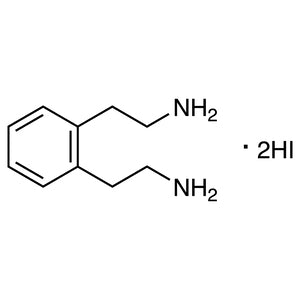
Dihydroiodide TCI B6569
Regular price From Rp 1.936.200,00Regular price -
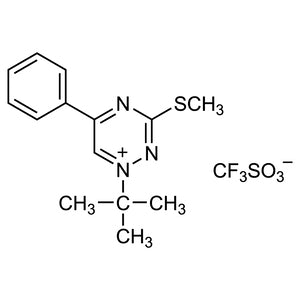
Trifluoromethanesulfonate TCI B7003
Regular price From Rp 1.936.200,00Regular price
![5,10-Bis(4,4,5,5-tetramethyl-1,3,2-dioxaborolan-2-yl)naphtho[1,2-c:5,6-c']bis([1,2,5]oxadiazole) - TCI B5774 - AMI Scientific](http://amiscientific.com/cdn/shop/files/TCI2510B5774.jpg?v=1769180228&width=533)