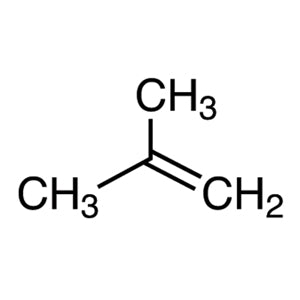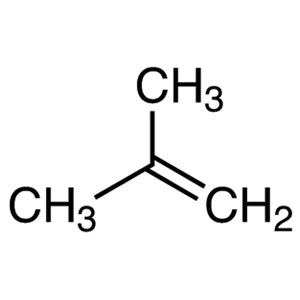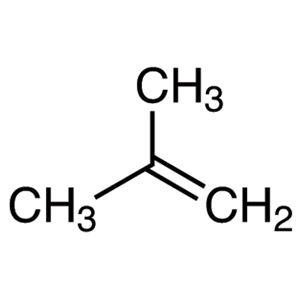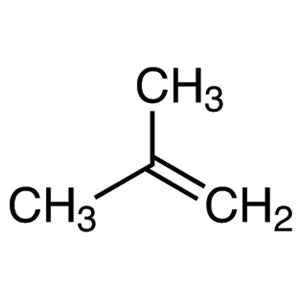

Isobutene (CAS 115-11-7) is an organic compound widely used in various synthetic chemical reactions. As a reactive alkene, it plays a crucial role in the development of complex chemical structures. This material is essential in laboratory settings where precision and reactivity are key factors in achieving desired chemical outcomes. Its versatility makes it a valuable asset in both academic and industrial research environments.
The unique properties of isobutene, including its reactivity and solubility, make it a preferred choice for chemists. It is commonly used in addition reactions, polymerization processes, and the synthesis of aromatic compounds. The presence of toluene as a solvent in this formulation enhances its usability and stability, allowing for straightforward application without the need for additional dilution. This combination also facilitates better control over chemical reactions and minimizes the risk of unintended side reactions.
In Indonesian laboratories, isobutene is frequently utilized in organic chemistry research, particularly in the pharmaceutical and chemical industries. Its availability in a ready-to-use form simplifies laboratory workflows and supports efficient experimentation. The practical packaging also ensures ease of storage and handling, making it a reliable choice for both educational and research purposes.
Related TCI products
- TCI I0909 115-11-7 Isobutene (ca. 8% in Dichloromethane)
- TCI I0910 115-11-7 Isobutene (ca. 10% in Isopropyl Ether)
- TCI I0911 115-11-7 Isobutene (ca. 15% in Tetrahydrofuran)
- TCI I1083 115-11-7 Isobutene (ca. 9% in Hexane)
- TCI T3614 75-50-3 Trimethylamine (ca. 8% in Toluene, ca. 1mol/L)
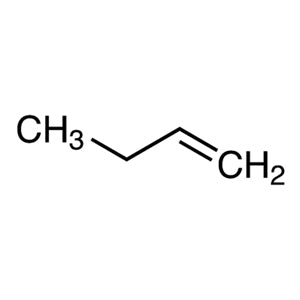
- TCI B4411 106-98-9 1-Butene (ca. 10% in Toluene)
- Organic Synthesis: Isobutene is ideal for organic synthesis due to its reactivity and ability to participate in addition and polymerization reactions.
- Pharmaceutical Research: It is used in the development of new drugs and chemical compounds due to its role in creating complex molecular structures.
- Polymerization Studies: The compound is commonly used in polymerization experiments to study the behavior of different monomers and reaction conditions.
- Aromatic Compound Synthesis: Isobutene is a key reagent in the synthesis of aromatic compounds, contributing to the formation of various functional groups.
- Educational Research: It is widely used in academic settings to teach and demonstrate chemical reactions and synthetic techniques.
| Brand | TCI |
|---|---|
| CAS number | 115-11-7 |
| Molecular formula | — |
| Purity | — |
| Category | Chemistry > Synthetic Reagents > Specialty Gases [Synthetic Reagents] |
| Pack sizes | — |
| Physical form | Liquid |
| Storage | Store in a cool, dry place away from direct sunlight and incompatible materials. |
Isobutene should be stored in a cool, dry place away from direct sunlight and incompatible materials. It is recommended to use sealed containers made of materials compatible with organic solvents to prevent evaporation and contamination. Proper ventilation is essential when handling this compound to minimize exposure. Due to its reactivity, it should be kept away from strong oxidizers and acids. Always follow standard laboratory safety protocols, including the use of personal protective equipment such as gloves and goggles. Regular monitoring of storage conditions ensures the stability and safety of the compound in a laboratory environment.
—
Produk Terkait
-
Isobutene(ca.8%inDichloromethane) TCI I0909
Regular price From Rp 1.060.500,00Regular price -
Isobutene(ca.10%inIsopropylEther) TCI I0910
Regular price From Rp 848.400,00Regular price -
Isobutene(ca.15%inTetrahydrofuran) TCI I0911
Regular price From Rp 903.000,00Regular price -
Isobutene(ca.9%inHexane) TCI I1083
Regular price From Rp 769.650,00Regular price -
Trimethylamine(ca.8%inToluene,ca.1mol/L) TCI T3614
Regular price Rp 1.087.800,00Regular price -
1-Butene(ca.10%inToluene) TCI B4411
Regular price From Rp 980.700,00Regular price -
Propyne(ca2%inToluene,ca04mol/L) TCI P3066
Regular price From Rp 1.087.800,00Regular price -
4-(Trifluoromethoxy)toluene TCI T2454
Regular price From Rp 664.650,00Regular price